
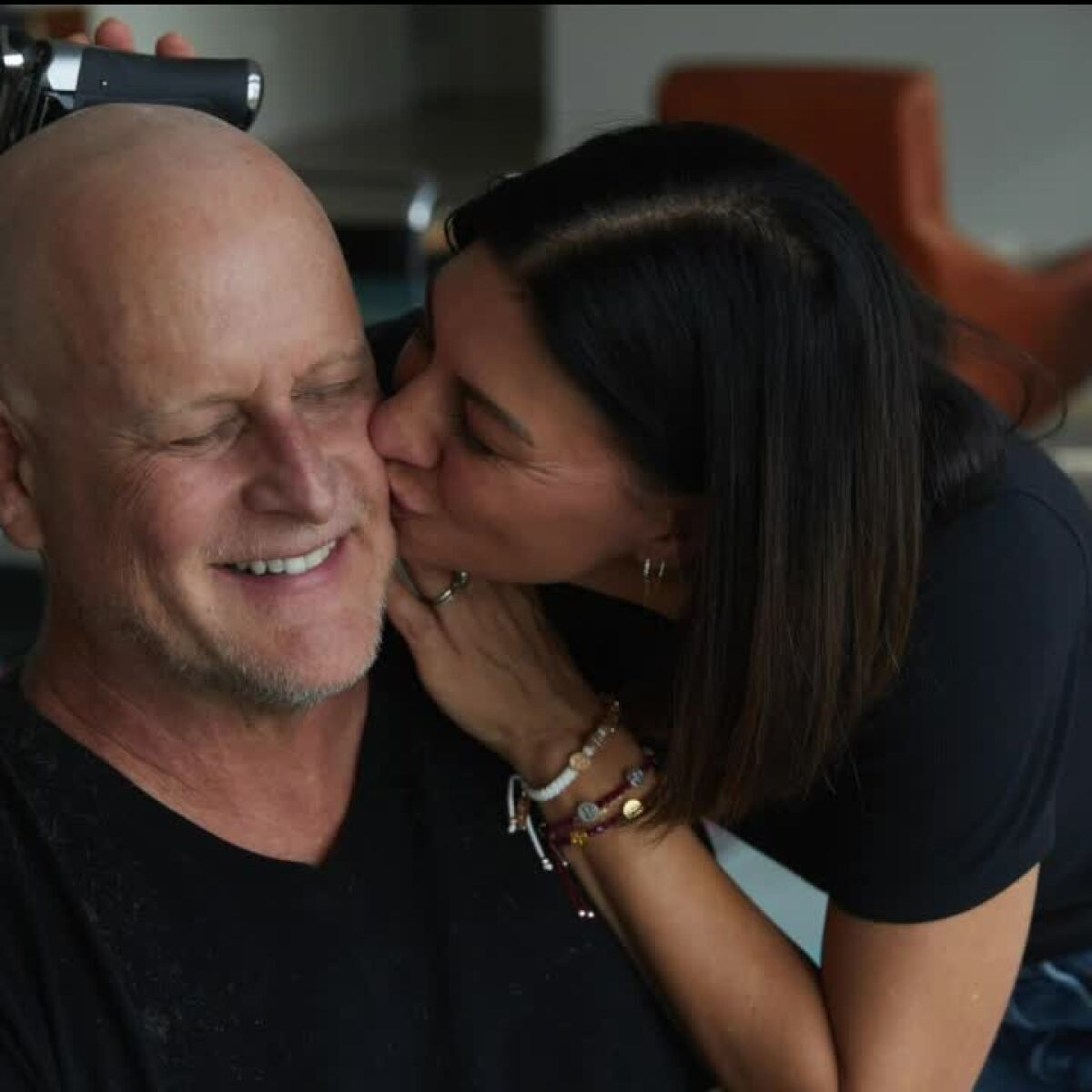
Some conversations change life forever. A career call, a birth announcement, a goodbye. But few words carry the weight of a cancer diagnosis. Dave Coulier recently shared the emotional moment he told his wife about his diagnosis, describing it as feeling “like I’d punched her in the chest.”
That image is raw, immediate, and painfully human. It captures something many families know too well: illness does not affect one person alone. It sends shockwaves through everyone who loves them.
For fans who know Coulier as the funny, warm-hearted Joey Gladstone from Full House, this vulnerable revelation showed a different side of the actor—one marked by honesty, courage, and deep love.
Let’s explore what his words mean, why they resonate so strongly, and the larger emotional reality families face during health crises.
Who Is Dave Coulier?
Dave Coulier is best known for playing Joey Gladstone on Full House and later Fuller House.
He built a career through:
- Comedy
- Voice acting
- Television
- Family-friendly entertainment
- Nostalgic pop culture appeal
To many viewers, he represents laughter and comfort. That makes personal hardship stories feel even more impactful.
The Powerful Quote That Moved Fans
When Coulier described telling his wife about cancer as feeling “like I’d punched her in the chest,” he painted a vivid emotional picture.
Why did it hit so hard?
Because anyone who has delivered painful news understands the feeling. You are not physically hurting someone, but emotionally, it can feel that way.
The words land like thunder.
Why a Diagnosis Affects the Whole Family
Cancer is often described as an individual battle, but that misses half the story.
A diagnosis can impact:
- Spouses
- Children
- Parents
- Friends
- Caregivers
One medical sentence can rearrange an entire household overnight.
Schedules change. Priorities shift. Fear enters the room.
The Weight of Telling a Spouse
Sharing devastating health news with a partner is uniquely painful.
Why?
Because partners often carry life together. They plan futures together. They assume tomorrow together.
So when illness enters, it doesn’t knock politely. It kicks the door open.
That is why Coulier’s words feel so real.
Love and Helplessness Can Exist Together
Many people think love means fixing problems.
But during illness, love often looks like:
- Sitting beside someone
- Listening quietly
- Holding space for fear
- Showing up to appointments
- Staying steady in uncertainty
Sometimes the hardest truth is this: you can deeply love someone and still feel helpless.
Why Fans Connected to His Honesty
Celebrities often present polished lives. Public vulnerability breaks that pattern.
Coulier’s statement reminded people that fame does not shield anyone from grief, fear, or painful conversations.
Behind the spotlight is the same human heart everyone carries.
The Emotional Shock of Unexpected News
Even when treatment options exist, hearing the word cancer can trigger intense reactions.
Common responses include:
- Silence
- Tears
- Disbelief
- Anger
- Protective instincts
- Immediate worry about the future
It can feel like time pauses for a moment.
How Couples Face Serious Health Challenges
Every relationship handles hardship differently, but strong partnerships often lean on the same pillars:
1. Honest Communication
Clear truth matters.
2. Team Mentality
It becomes “we,” not “me.”
3. Flexibility
Plans may need to change quickly.
4. Emotional Patience
Fear can come out sideways.
Dave Coulier’s Public Image vs Private Reality
For decades, Coulier has been associated with humor and positivity. That contrast makes this story powerful.
The man who made audiences laugh now speaks openly about pain.
And strangely, that honesty may comfort people even more than comedy ever did.
Why Vulnerability Is Strength
Some people confuse vulnerability with weakness.
It is the opposite.
Saying, “This hurt me. This scared us. This was hard,” requires courage. Pretending nothing matters is easier.
Coulier’s openness models emotional strength.
What His Wife’s Reaction Represents
His wife’s reaction symbolizes something many caregivers experience:
A sudden collision of love and fear.
When someone you love is diagnosed, your mind races instantly:
- Are they okay?
- What happens next?
- Can I help?
- Will life change forever?
That emotional impact can be immediate and intense.
The Ripple Effect of Health News
Serious diagnoses rarely stay contained.
They ripple outward into:
- Family finances
- Work routines
- Emotional energy
- Travel schedules
- Future plans
Like a stone dropped into water, the first splash is only the beginning.
Why Public Stories Like This Matter
Stories like Coulier’s help normalize conversations many people avoid.
They remind others that it is okay to say:
- I’m scared
- I don’t know what to do
- This hurts
- We need support
Silence can isolate. Shared truth can heal.
The Role of Humor During Hard Times
Though known for comedy, Coulier may understand something essential:
Humor does not erase pain—but it can soften the edges.
Many families facing illness still laugh. Not because things are easy, but because laughter can become oxygen in heavy rooms.
What Fans Can Learn From This Moment
His story offers real-life lessons:
1. Health News Is Emotional News
It affects relationships deeply.
2. Tough Conversations Matter
Avoidance rarely helps.
3. Support Is Powerful
Presence can mean everything.
4. Vulnerability Helps Others
Honesty creates connection.
How to Support a Loved One After Diagnosis
If someone close to you receives difficult news, simple support often matters most:
- Listen more than you speak
- Offer practical help
- Respect emotional ups and downs
- Stay consistent
- Avoid forcing positivity
You don’t need perfect words. You need real presence.
Why This Story Feels Bigger Than Celebrity News
This is not only about a famous actor.
It is about marriage. Fear. Love. Mortality. Partnership.
Those themes belong to everyone.
That is why people stop scrolling and start feeling when they read stories like this.
Resilience in the Face of Uncertainty
A diagnosis creates questions, but resilience begins with the next step.
One appointment. One conversation. One day at a time.
Strength often looks smaller than people expect.
It looks like continuing.
Conclusion
Dave Coulier sharing that telling his wife about his cancer diagnosis felt “like I’d punched her in the chest” reveals the emotional truth behind serious illness: pain is rarely carried alone.
His words remind us that love deepens vulnerability, and difficult news can shake even the strongest foundations. Yet they also reveal something hopeful—when fear arrives, partnership can rise beside it.
Sometimes courage is not loud. Sometimes it is simply telling the truth.
5 Unique FAQs
1. Why did Dave Coulier’s quote resonate with people?
Because it vividly captured the pain of telling a loved one devastating news.
2. Is illness only hard on the patient?
No. Serious diagnoses often deeply affect spouses, families, and caregivers too.
3. Why does celebrity vulnerability matter?
It helps others feel less alone in their own struggles.
4. How can couples handle health crises better?
Through honesty, teamwork, patience, and steady support.
5. What is the key lesson from this story?
That love and hardship often arrive together—and connection helps people endure both.