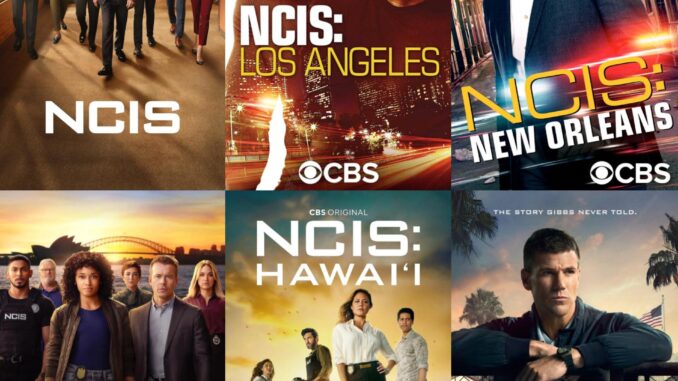
For much of its run, NCIS has existed as a model of consistency—a network procedural that delivered reliable storytelling week after week.
But consistency, while valuable, can also become limitation.
In 2026, the series appears to be navigating a subtle but significant transformation. The changes are not announced outright; they emerge gradually through shifts in pacing, structure, and thematic focus. Episodes are becoming more interconnected. Character arcs are extending across multiple installments. Emotional continuity is taking precedence over episodic closure.
These developments align closely with the storytelling conventions of streaming-era television, where narratives are designed to be consumed in sequence rather than in isolation.
From an industry perspective, this evolution is both strategic and necessary. The rise of streaming platforms has fundamentally altered audience expectations. Viewers are no longer satisfied with self-contained episodes; they seek ongoing narratives that reward sustained engagement.
For NCIS, adapting to this environment is not optional—it is essential for continued relevance.
However, this transition must be managed carefully. The procedural format is deeply embedded in the show’s identity. It provides accessibility, allowing viewers to engage with individual episodes without requiring extensive prior knowledge.
Moving too far toward serialization risks losing that accessibility.
The challenge, therefore, lies in creating a hybrid model—one that preserves the strengths of procedural storytelling while incorporating the depth and continuity of serialized narratives.
If NCIS can achieve this balance, it will not only remain relevant—it may redefine what longevity looks like in modern television.