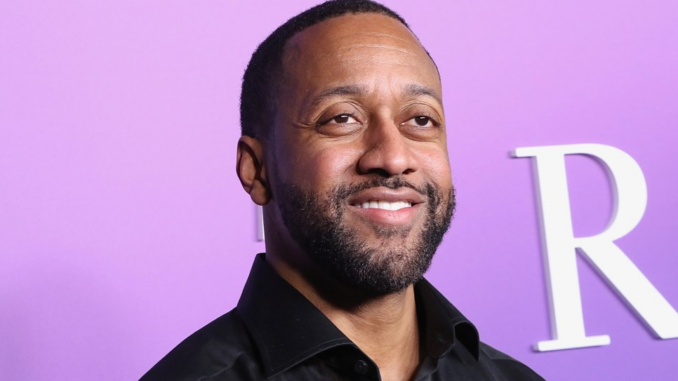
Public figures often live under a spotlight so bright that every personal conflict becomes national news. That was the case for Jaleel White in 2012, when the actor faced allegations made by his former partner, Bridget Hardy. The claims quickly drew media attention and sparked public debate.
White denied the accusations, and the matter was later dropped due to insufficient evidence. He also stated that the dispute was tied to an ongoing child custody conflict. More than a decade later, the case remains one of the most talked-about controversies in his career.
This article explores the situation, the media reaction, the legal outcome, and how public allegations can shape celebrity reputations.
Who Is Jaleel White?
Jaleel White became a household name through his role as Steve Urkel on the hit sitcom Family Matters. His comedic timing, signature voice, and unforgettable catchphrases made him one of television’s most recognizable stars.
For many fans, White represented humor and family entertainment. That image made the 2012 allegations especially shocking to the public.
The 2012 Allegations Explained
In 2012, Bridget Hardy accused White of physical and verbal abuse. According to reports at the time, she alleged that he struck her and pushed her during an argument.
Such claims naturally generated intense media attention. When a beloved celebrity faces serious accusations, headlines spread like wildfire.
However, allegations are not the same as proven facts. That distinction became central to the case.
Jaleel White Strongly Denied the Claims
White publicly denied all accusations made against him. He stated that the claims were false and connected to an ongoing custody disagreement involving their child.
This response shifted the public conversation. Was it a legitimate complaint, or was it part of a larger family dispute?
That question lingered throughout the controversy.
Why Child Custody Battles Can Become Complicated
Custody disagreements are often emotional, stressful, and deeply personal. When children are involved, tensions can rise quickly.
Now imagine adding fame, cameras, public scrutiny, and tabloid coverage. That can turn a private conflict into a public storm overnight.
White suggested that this broader context played a role in the accusations.
Case Dropped Due to Lack of Evidence
One of the most important developments in the story was that the allegations were later dropped because of insufficient evidence.
That legal outcome mattered greatly. In public controversies, many people remember the accusation but forget the resolution.
This is why facts and final outcomes matter more than early headlines.
The Power of Headlines in Celebrity News
Celebrity stories move fast. A dramatic accusation can dominate news cycles within hours.
But retractions, clarifications, or dismissed cases rarely receive the same level of attention. It’s like thunder getting more attention than sunshine.
That imbalance often leaves lasting damage, even when claims are never proven.
How Public Opinion Forms Too Quickly
Many people form opinions based on the first headline they read. Few wait for court records, investigations, or official statements.
This creates a dangerous pattern:
- Accusation appears
- Social media reacts instantly
- Reputation suffers
- Facts emerge later
By then, the public may already have moved on.
The Challenge of Reputation Recovery
For celebrities, reputation is currency. One controversy can affect casting opportunities, endorsements, and fan loyalty.
Even when allegations are denied or dismissed, the shadow can remain. It’s like smoke after a fire alarm—sometimes the alarm was false, but people still smell smoke.
White’s career continued, but the 2012 story remained part of his public history.
Media Responsibility in Sensitive Cases
News organizations have a duty to report responsibly. That means presenting allegations carefully, using neutral language, and updating stories when new facts emerge.
When coverage focuses only on drama, audiences receive an incomplete picture.
Balanced reporting protects both the public interest and fairness.
The Difference Between Allegations and Proof
This distinction cannot be overstated.
An allegation is a claim. Proof requires evidence, investigation, and due process.
Confusing the two can unfairly damage lives and careers. It can also discourage thoughtful discussion.
Whenever reading controversial stories, ask:
- What is confirmed?
- What is alleged?
- What was the legal outcome?
- Were updates reported later?
These questions matter.
Jaleel White’s Career Beyond the Controversy
While some remember the 2012 headlines, White has had a long entertainment career beyond that moment.
He has worked in acting, voice work, production, and television appearances. His legacy includes decades of work, not one controversy.
That broader perspective is often missing in fast-moving celebrity narratives.
Why Old Stories Still Trend Online
Years later, stories like this resurface because audiences remain fascinated by celebrity lives.
Old controversies trend again when:
- A celebrity appears in new projects
- Interviews revive past events
- Social media reposts headlines
- Fans debate reputation and legacy
The internet rarely forgets.
Lessons From the 2012 Incident
There are several takeaways from this story:
1. Wait for Facts
Early reports rarely tell the full story.
2. Legal Outcomes Matter
Dismissed or dropped cases are essential context.
3. Public Figures Are Still Human
Celebrities deal with personal conflicts like anyone else.
4. Headlines Can Mislead
The loudest story is not always the most accurate one.
How Readers Should Approach Celebrity Controversies
When reading about any public dispute, pause before reacting.
Think critically. Look for updated sources. Avoid assuming guilt or innocence based solely on one headline.
In a world built on clicks, patience is powerful.
The Human Side of Public Conflict
Behind every headline are real people, real families, and real consequences.
Custody disputes, relationship breakdowns, and legal conflicts are emotionally draining enough in private. Under public scrutiny, they become even harder.
That human reality should never be forgotten.
Why This Story Still Matters Today
This case remains relevant because it reflects larger issues:
- Media speed vs. truth
- Public judgment vs. due process
- Fame vs. privacy
- Allegation vs. evidence
These themes still shape modern celebrity coverage.
Conclusion
The 2012 controversy involving Jaleel White drew major attention after allegations were made by his former partner. White denied the claims and said they were linked to a custody dispute. The matter was later dropped due to lack of evidence.
More than anything, the story reminds us to separate allegations from established facts. In the age of viral headlines, truth often arrives slower than rumor. That’s why patience, fairness, and context matter now more than ever.
FAQs
1. What happened involving Jaleel White in 2012?
He faced allegations from his former partner, which he denied. The matter was later dropped due to insufficient evidence.
2. Did Jaleel White respond publicly?
Yes, he denied the claims and said they were related to a child custody dispute.
3. Was Jaleel White charged or convicted?
The matter was reportedly dropped due to lack of evidence.
4. Why does the story still get attention?
Because celebrity controversies often resurface online, especially when tied to famous personalities.
5. What lesson can readers learn from this case?
Always wait for verified facts and final outcomes before forming conclusions.