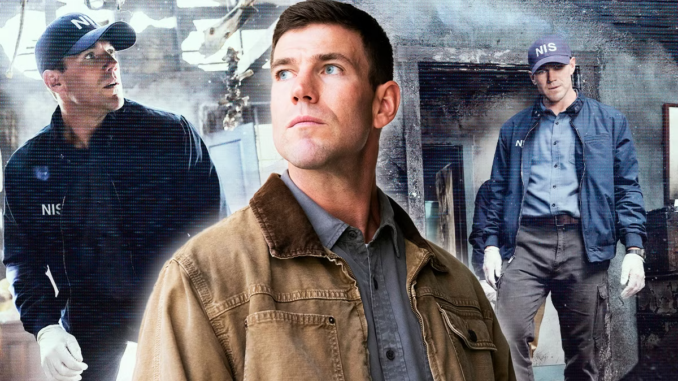
The longevity of a television series often depends on the strength of its mythology, and for over two decades, NCIS has thrived by weaving a complex web of secrets around its central figure, Special Agent Leroy Jethro Gibbs. While the show has transitioned into a new era with a fresh cast, the shadow of Gibbs remains its most potent narrative engine. For years, fans have been captivated by the silent stoicism of the man with the rules, but as the procedural’s history deepens, a chilling reality has emerged: the truth Gibbs buried for years is finally coming back to haunt the agency he built.
To understand the weight of this haunting, one must look back at the foundation of Gibbs’ character. For the better part of a decade, the “truth” was a singular, violent act of vengeance—the killing of Pedro Hernandez, the man responsible for the deaths of Gibbs’ wife and daughter. While Gibbs believed this debt was settled in the Mexican desert, the moral and legal ramifications of that choice have acted like a slow-acting poison within the halls of NCIS. The agency, built on the bedrock of federal law, was essentially overseen by a man who had committed the ultimate transgression. This paradox created a fracture in the team’s integrity that never truly healed, even after Gibbs walked away to find peace in Alaska.
The haunting began in earnest when the secret of the Hernandez case stopped being a private burden and started becoming a public liability. Throughout the series, various antagonists used this information to squeeze the team, but the current climate of the show suggests something much more systemic. The ghosts of the past are no longer just about one murder; they are about the culture of “Rule 4,” which states that the best way to keep a secret is to keep it to yourself. By operating under this mantra, Gibbs inadvertently taught a generation of agents that the mission justifies the deception. Now, as new leadership takes the reins, they are finding that the skeletons in the closet are rattling louder than ever, threatening the very legitimacy of the Major Case Response Team.
What makes this resurgence of the past so compelling is how it affects the legacy characters like Timothy McGee. Having transitioned from a green probie to a seasoned leader, McGee is the bridge between the old guard and the new. He carries the weight of Gibbs’ secrets, often finding himself forced to choose between the letter of the law and the loyalty he felt for his mentor. The “haunting” isn’t just a plot device; it is an emotional reckoning. It forces the characters and the audience to ask whether Gibbs was truly a hero or a man whose personal trauma compromised the institution he served.
The narrative tension has reached a breaking point where the past can no longer be ignored. Recent investigations within the show have hinted at cold cases and off-the-books operations from the Gibbs era that are now resurfacing under federal scrutiny. The agency is being forced to reconcile with the fact that its greatest leader was also its most significant liability. This isn’t just about catching a criminal of the week; it is about an internal excavation of the agency’s soul. Every time a file from ten years ago is opened, there is a palpable sense of dread that another one of Gibbs’ “necessary evils” will come to light.
Furthermore, the introduction of spin-offs like NCIS: Origins suggests that the franchise is ready to fully confront these ghosts. By looking back at Gibbs’ early years, the show is signaling that the secrets buried in the 1990s are the keys to understanding the chaos of the present. The haunting is cyclical. The trauma that Gibbs tried to bury through work and silence has mutated, affecting everyone from Director Vance to the newest recruits who never even met the man.
Ultimately, the reason this storyline resonates so deeply with the “NCIS” fanbase is the realization that no one can truly outrun their history. Gibbs’ rules were meant to provide order in a chaotic world, but they also acted as a shroud. As that shroud is stripped away, the agency faces its most dangerous enemy yet: its own heritage. The truth is no longer buried; it is standing in the doorway, demanding an accounting for every rule broken and every secret kept in the name of justice. As NCIS moves forward, it does so in the long, complicated shadow of a man who proved that while you can bury the past, the ground eventually gives way.