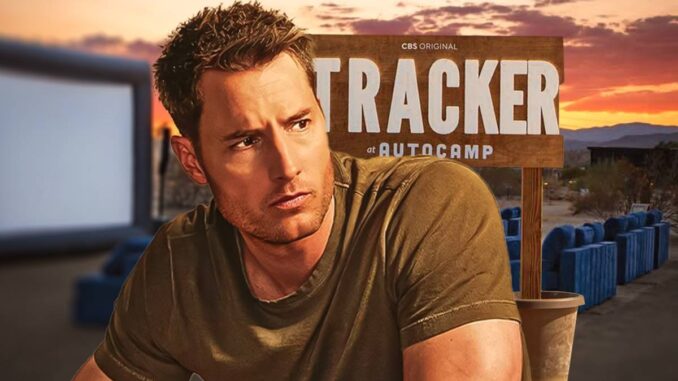
A Bold Shift for a Growing Hit
The success of Tracker has been one of the more surprising stories in recent network television. Anchored by the steady presence of Justin Hartley, the series carved out a loyal audience thanks to its blend of procedural storytelling and character-driven drama. Now, as the show prepares for its fourth season, fans are facing a major shift: a relocation that could redefine everything from tone to narrative structure.
At first glance, a production move might seem like a purely logistical decision. But in television, especially for a show as atmosphere-dependent as Tracker, location is part of its identity. The landscapes, the pacing, even the emotional texture of scenes are often shaped by where the story unfolds. Season 4’s relocation signals something deeper—a creative recalibration.
Why the Change Is Happening
Behind the scenes, the decision appears to be tied closely to recent cast exits. While no long-running show is immune to turnover, Tracker is at a particularly sensitive stage. Supporting characters have played a crucial role in grounding Colter Shaw’s journey, offering both emotional contrast and narrative support.
When key cast members depart, writers are often left with two choices: awkwardly patch the gaps or embrace change fully. In this case, the production team seems to be choosing the latter. Relocating the series allows for a more organic reset—new environments, new characters, and new stakes that don’t feel forced.
Industry insiders suggest that the move also opens the door for fresh storytelling opportunities. Different regions bring different types of cases, cultural dynamics, and visual palettes. For a show built on tracking and survival, that variety can be a major creative advantage.
How the Relocation Will Affect the Story
Narratively, Season 4 is expected to lean into transition. Colter Shaw has always been something of a lone wolf, but previous seasons balanced his independence with recurring connections. With those ties shifting, the relocation may push the character into even more uncharted emotional territory.
This could mean a more introspective season. Without familiar allies around him, Colter may be forced to confront aspects of his past and personality that the show has only hinted at so far. At the same time, the introduction of new faces could reestablish that sense of community in unexpected ways.
There’s also the question of tone. A new setting often brings a subtle genre shift. If the show moves toward a harsher or more remote environment, expect higher stakes and a grittier feel. If it leans urban, the storytelling could become faster-paced and more interconnected.
Production Realities Behind the Scenes
Beyond storytelling, practical considerations are always part of such decisions. Tax incentives, filming infrastructure, and scheduling flexibility all play a role. Relocating can significantly reduce costs or streamline production, especially for a series entering its fourth season.
However, the timing—coinciding with cast departures—suggests this isn’t just about finances. It’s about aligning the show’s physical environment with its evolving narrative. When done right, this kind of shift can breathe new life into a series rather than signaling decline.
Television history offers plenty of examples where relocation either revitalized a show or disrupted its identity. The difference usually comes down to execution—whether the change feels like a natural evolution or a desperate pivot.
Fan Reactions: Excitement Meets Uncertainty
Unsurprisingly, fan reactions have been mixed. Some viewers are excited about the prospect of a refreshed direction, especially if it means avoiding repetitive storylines. Others worry that too much change at once—cast exits combined with a new setting—could dilute what made the show special in the first place.
Social media discussions reveal a common theme: trust in Justin Hartley. His performance has been the consistent anchor of Tracker, and many fans believe that as long as his portrayal of Colter remains strong, the show can weather significant changes.
Still, there’s a sense of cautious optimism. Viewers aren’t rejecting the idea outright—they’re waiting to see how it unfolds.
What This Means for Season 4’s Future
Season 4 now carries a unique kind of pressure. It’s not just another chapter; it’s a test of adaptability. Can Tracker evolve without losing its core identity? Can new characters and settings capture the same emotional resonance as those that came before?
If the creative team successfully integrates the relocation into the story—making it feel essential rather than incidental—the show could emerge stronger than ever. Fresh dynamics, unexplored themes, and a renewed sense of unpredictability could elevate the series beyond its procedural roots.
On the other hand, if the transition feels disjointed, it risks alienating the very audience that helped it succeed.
A Turning Point, Not an Ending
Ultimately, the relocation of Tracker for Season 4 represents a turning point rather than a setback. Television thrives on reinvention, and shows that survive long-term are often those willing to take calculated risks.
For Justin Hartley, this moment also reinforces his role not just as a lead actor but as the emotional backbone of the series. As the show shifts around him, his performance will likely determine whether fans stay invested.
Change in television is inevitable. The real question is whether it leads to decline or transformation. With Tracker, Season 4 may very well provide that answer—and redefine the show in the process.