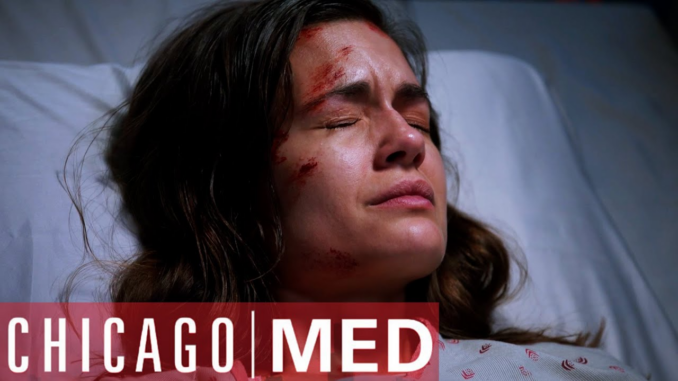
The world of One Chicago is no stranger to sudden departures and gut-wrenching exits, but few theories have shaken the foundation of the fandom like the potential demise of a central figure. While many characters have moved on to new lives, the narrative weight of a definitive, tragic end for someone like Dr. Natalie Manning would send shockwaves through the halls of Gaffney Chicago Medical Center that would be felt for seasons to come. A heartbreaking farewell of this magnitude wouldn’t just be a plot point; it would be a fundamental shift in the show’s DNA, forcing every remaining character to confront the fragility of the lives they fight so hard to save.
For years, Natalie Manning served as the emotional compass of the Emergency Department. As a pediatrician and emergency medicine specialist, her character was defined by a fierce, sometimes polarizing sense of empathy. She was the doctor who would break every rule in the book if it meant saving a child, and her moral convictions often put her at odds with the hospital administration and her own colleagues. To imagine a scenario where this light is permanently extinguished is to imagine a version of Chicago Med that is significantly darker and more cynical. Her death would represent the ultimate loss of innocence for the unit, proving that even the most dedicated healers are not immune to the tragedies they witness daily.
The immediate aftermath of such a loss would center heavily on Dr. Will Halstead. Their relationship, a complex tapestry of professional respect and deep, often tumultuous love, has been a primary engine for the show’s interpersonal drama. If Natalie were to meet a tragic end, Will’s journey would likely spiral into a profound exploration of grief and guilt. He has always been a character who wears his heart on his sleeve, and losing the woman who defined so much of his adult life would push him into a psychological territory the show has only glimpsed before. We would see a version of Will that is untethered, perhaps losing his faith in the medical profession itself, creating a narrative arc that could redefine his character for the rest of the series.
Beyond the romantic fallout, the impact on the hospital’s leadership and the broader team would be immense. Sharon Goodwin and Dr. Daniel Charles would be tasked with picking up the pieces of a fractured staff. Natalie wasn’t just a doctor; she was a friend, a mentor, and a mother. Her absence would leave a void in the pediatric wing that would be impossible to fill, serving as a constant reminder of the high stakes of their profession. This kind of tragedy forces a medical drama to move beyond the case-of-the-week format and dive into the long-term effects of trauma on first responders. It asks the question: how do you continue to show up and care for strangers when you couldn’t save one of your own?
The storytelling possibilities following such an event are vast. It would likely lead to a series of tribute episodes that bring back familiar faces from the past, creating a bridge between the show’s history and its future. The One Chicago universe thrives on these moments of cross-over connectivity. We would see the firefighters of House 51 and the officers of the Intelligence Unit paying their respects, reinforcing the idea that these characters are part of a single, sprawling family. A funeral in the One Chicago world is never just a quiet affair; it is a moment of communal mourning that reminds the audience of why they have invested a decade in these lives.
Furthermore, a permanent farewell to a character as significant as Manning allows the show to introduce new blood with a completely different energy. While the loss is painful for fans, it clears the way for new dynamics and fresh perspectives in the ED. It forces the writers to innovate and prevents the show from falling into a repetitive cycle of the same romantic tensions. However, the shadow of a departed lead always lingers. Even seasons later, a mentioned name or a seen photograph in the breakroom would evoke the history of the show, grounding the new stories in the legacy of those who came before.
Ultimately, the idea of Natalie Manning’s death changing Chicago Med forever is a testament to the power of the character’s legacy. Whether it occurs as a shocking season finale twist or a slow-burning tragedy, the result is the same: the hospital becomes a different place. The halls feel a little colder, the victories feel a little shorter, and the survivors are forced to grow in ways they never expected. It is the kind of storytelling that makes the One Chicago franchise so enduring—it isn’t afraid to hurt the audience if it means telling a story that feels real, earned, and deeply human. As the series continues to evolve, the memory of its most impactful figures remains the heartbeat that keeps the drama alive.