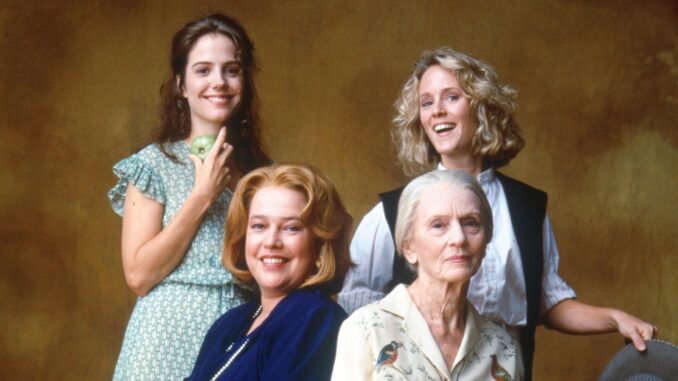
When Fried Green Tomatoes first appeared on Netflix on May 1, industry expectations were modest. Catalog titles—even beloved ones—typically follow a predictable trajectory: a brief spike in curiosity, a short-lived appearance in recommendation rows, and then a gradual fade into the algorithmic background.
But by May 6, it’s clear something very different is happening.
Instead of fading, the film is holding its position—continuing to appear in curated lists, trending discussions, and viewer recommendations. More importantly, it’s not just being watched passively. It’s being engaged with actively. Audiences are finishing it, revisiting key scenes, and—crucially—telling others to watch it.
This kind of sustained momentum points to something algorithms alone cannot generate: emotional resonance strong enough to trigger organic word-of-mouth.
And that’s where Fried Green Tomatoes is quietly outperforming modern content.
Unlike contemporary streaming hits designed around cliffhangers and binge mechanics, the film builds its impact through accumulation. Its nonlinear storytelling—moving between past and present—creates a layered emotional experience that unfolds gradually. By the time viewers reach its most powerful moments, they’re not just following a plot—they’re emotionally invested in a lived-in world.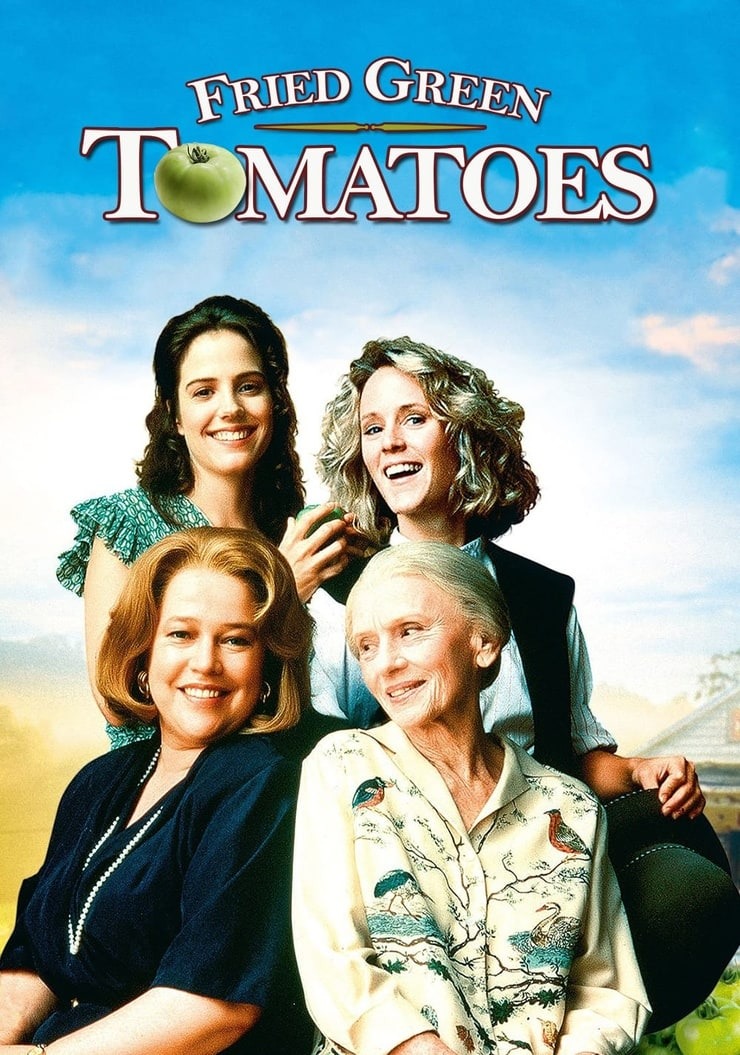
This depth is proving to be its greatest advantage in 2026.
Audiences today are overwhelmed with content but underwhelmed by connection. And Fried Green Tomatoes offers exactly that missing connection—not through spectacle, but through sincerity. It gives viewers time to feel, to reflect, and to recognize parts of themselves in its characters.
What we’re witnessing is not a temporary resurgence.
It’s a rare case of a film breaking out of the “catalog trap” and reestablishing itself as essential viewing.