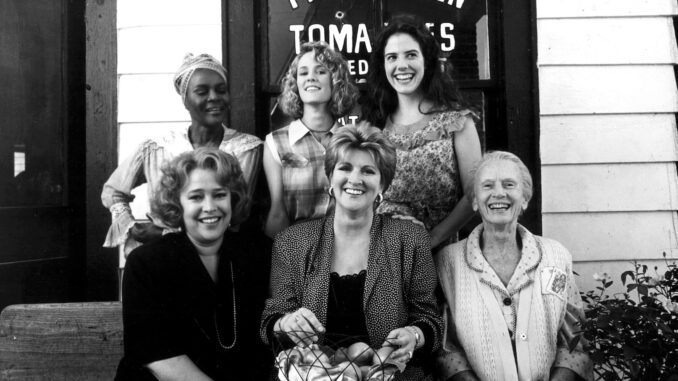
There’s a growing argument circulating online in 2026—one that would have sounded absurd just a few years ago:
Fried Green Tomatoes may actually feel more emotionally progressive than many modern films.
At first glance, that idea seems impossible. After all, this is a movie released in 1991, decades before streaming culture, social media discourse, or contemporary conversations around identity and representation fully entered mainstream entertainment.
And yet, audiences revisiting the film today are increasingly struck by how emotionally intelligent it feels.
Part of that comes from the writing. The fil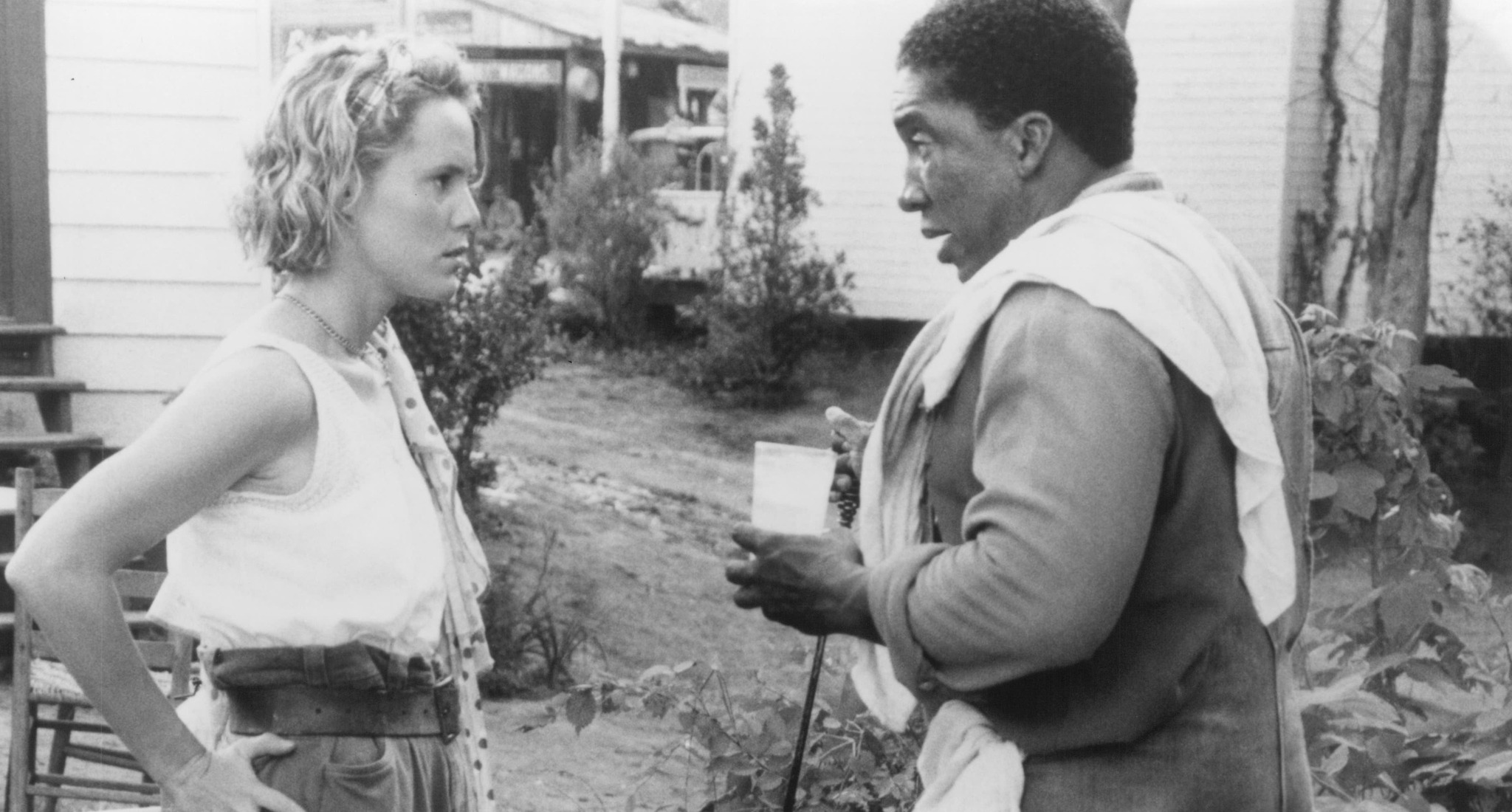 m refuses simplistic characterizations. Its women are messy, complicated, vulnerable, angry, nurturing, broken, resilient—all at once. Their relationships evolve organically rather than being reduced to neat narrative categories.
Modern viewers are also responding to the film’s emotional restraint. Unlike many current productions that over-explain character motivations or force emotional payoffs, Fried Green Tomatoes trusts the audience. It leaves space for interpretation. Silence matters. Glances matter. Memory matters.
Ironically, that subtlety now feels more sophisticated than the hyper-explicit storytelling common in much of contemporary media.
And then there’s the question dominating online discussion:
Did the film quietly accomplish things in 1991 that Hollywood still struggles to do convincingly today?
That debate has become central to the film’s resurgence. Many viewers argue that the emotional authenticity between Idgie and Ruth feels more genuine than relationships portrayed in some modern prestige dramas. Others point to Evelyn’s storyline as one of the most realistic depictions of female reinvention ever put on screen.
What makes these conversations so fascinating is that they are elevating the film beyond nostalgia entirely.
People are no longer saying:
“This was great for its time.”
They’re saying:
“This still feels ahead of its time.”
And that distinction changes everything.
Because films that merely survive become classics.
But films that continue gaining relevance decades later become something much rarer:
Timeless.