
Carrie Fisher Openly Talks About Her Battle with Depression and Overwhelm During the Star Wars Era
Carrie Fisher’s Brave Truth Behind the Star Wars Spotlight
For millions of fans around the world, Carrie Fisher will forever be remembered as the fearless Princess Leia from the legendary Star Wars universe. She was witty, fearless, sarcastic, and impossibly iconic. On-screen, she looked untouchable. Off-screen, however, Fisher was quietly fighting battles that few people could see.
Years after becoming one of Hollywood’s biggest stars, Carrie Fisher openly discussed her struggles with depression, bipolar disorder, addiction, and the overwhelming pressure that came with sudden global fame. Her honesty changed the conversation around mental health in entertainment forever.
What made her story so powerful wasn’t just the pain she experienced. It was the fact that she refused to hide it anymore.
The Sudden Explosion of Star Wars Fame
When Star Wars premiered in 1977, nobody expected it to become a cultural earthquake. Overnight, Carrie Fisher transformed from a young actress into one of the most recognizable women on Earth.
Imagine being in your early twenties and suddenly having your face on posters, lunchboxes, action figures, and magazine covers across the globe. That kind of fame can feel like being swept away by a tidal wave before you even learn how to swim.
Fisher later admitted that the pressure became emotionally crushing. Fans idolized Princess Leia, but behind the scenes, she struggled to keep herself emotionally grounded.
Hollywood often sells fame as a dream. For Fisher, it sometimes felt more like a storm she couldn’t escape.
Living with Depression Behind Closed Doors
While audiences saw confidence and charm, Carrie Fisher was dealing with severe depression privately. She described feeling emotionally exhausted, overwhelmed, and disconnected even during the height of her success.
Depression doesn’t always look obvious. Sometimes the funniest people in the room are carrying the heaviest burdens. Fisher herself became famous for using humor as armor. Her sharp wit made people laugh, but it also became a survival tool.
She later explained that the emotional highs and lows in her life were intense and unpredictable. There were moments when she felt unstoppable, followed by periods where everything became painfully dark.
Her honesty helped many fans realize something important: mental illness does not care about fame, money, or success.
The Pressure of Becoming Princess Leia
Being associated forever with one legendary role sounds glamorous. But for Carrie Fisher, becoming Princess Leia also created emotional pressure that followed her everywhere.
Fans expected her to embody strength constantly. They saw Leia as fearless and powerful. That expectation blurred the line between character and person.
Fisher often joked about how strange it felt to become trapped inside a global icon. In many ways, Princess Leia became bigger than Carrie Fisher herself.
That loss of personal identity can become emotionally draining. Imagine millions of people loving a version of you while barely knowing the real person underneath.
For Fisher, the emotional weight of maintaining that image became exhausting over time.
Carrie Fisher’s Bipolar Disorder Diagnosis
Years later, Fisher publicly revealed that she had been diagnosed with bipolar disorder. At the time, mental health discussions were nowhere near as open as they are today.
Many celebrities hid their struggles because they feared judgment, career damage, or public ridicule. Fisher chose a different path. She talked openly about therapy, medication, emotional instability, and addiction.
That decision was incredibly brave.
Instead of pretending everything was fine, she used her platform to normalize conversations about mental illness. She wanted people to understand that struggling mentally was not weakness. It was human.
Her openness became life-changing for many fans who felt ashamed of their own mental health battles.
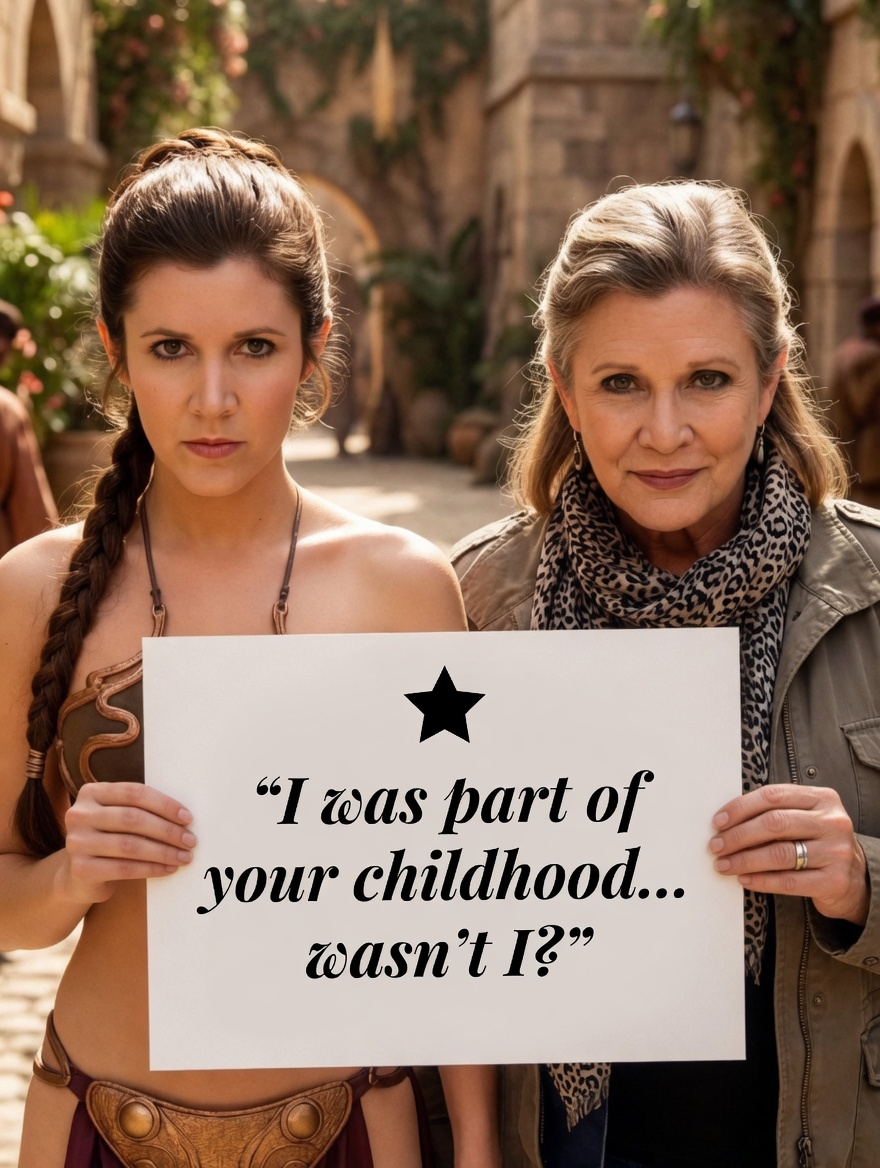
Humor Became Her Survival Mechanism
One of Carrie Fisher’s greatest gifts was her ability to turn pain into humor. She could discuss heartbreak, addiction, depression, and chaos while making audiences laugh at the same time.
It was almost like watching someone turn scars into art.
Fisher understood something powerful: humor doesn’t erase pain, but it can help people survive it. Her interviews became legendary because she spoke with brutal honesty while still remaining incredibly funny.
That balance made her relatable in a way few celebrities ever achieve.
She wasn’t trying to appear perfect. She was trying to appear real.
And people connected deeply with that authenticity.
The Dark Side of Hollywood Fame
Hollywood can be dazzling from the outside, but Carrie Fisher repeatedly spoke about its darker realities. Constant scrutiny, impossible beauty standards, media pressure, and public judgment took a serious emotional toll on her.
She also faced relentless criticism about her appearance throughout her career. During later Star Wars: The Force Awakens promotions, online commentary about her aging became especially cruel.
Fisher responded with honesty and humor, but the broader issue remained painfully clear: Hollywood often places impossible expectations on women.
That pressure alone can become mentally exhausting.
Her story exposed the emotional cost of celebrity culture in ways that felt deeply human.
Why Fans Connected So Deeply with Carrie Fisher
Fans didn’t just admire Carrie Fisher because she played Princess Leia. They loved her because she felt authentic.
She openly admitted her flaws. She discussed addiction recovery. She talked about emotional breakdowns. She refused to pretend she had everything figured out.
In a world full of polished celebrity images, Fisher felt refreshingly honest.
People saw themselves in her struggles.
For fans battling anxiety, depression, or emotional overwhelm, her words became comforting. She proved that someone could be strong and struggling at the same time.
That message resonated deeply across generations.
Mental Health Conversations Changed Because of Her
Today, celebrities discussing mental health publicly feels more common. But Carrie Fisher helped pave the way for those conversations long before they became socially accepted.
She spoke openly when silence was still considered safer.
That matters.
Her interviews, books, and public appearances challenged the stigma surrounding depression and bipolar disorder. She helped people realize that mental illness should be treated with compassion rather than shame.
Countless fans later shared that Fisher’s honesty encouraged them to seek therapy, medication, or emotional support themselves.
That may be one of her greatest legacies.
The Emotional Cost of Constant Attention
Fame creates a strange contradiction. Millions of people may recognize you, yet loneliness can still feel overwhelming.
Carrie Fisher often hinted at this emotional paradox. Being constantly watched, analyzed, and discussed made it difficult to separate her public image from her private self.
Imagine never truly being able to disappear.
Every interview becomes a performance. Every appearance becomes a judgment. Every mistake becomes public conversation.
That pressure can slowly wear down even the strongest people.
Fisher’s experiences revealed the psychological cost that often hides behind celebrity glamour.
Writing Helped Carrie Fisher Heal
Beyond acting, Carrie Fisher became an acclaimed writer. Writing gave her a space to process pain, chaos, and emotional confusion honestly.
Her autobiographical works became beloved because they blended vulnerability with humor so naturally.
Books like Wishful Drinking allowed readers to see the real woman behind the Hollywood legend.
Through storytelling, Fisher reclaimed control over her own narrative.
Instead of allowing tabloids to define her life, she told her story herself — honestly, painfully, and hilariously.
That honesty made her writing unforgettable.
Carrie Fisher Changed How Hollywood Sees Vulnerability
For decades, Hollywood rewarded perfection and punished vulnerability. Carrie Fisher disrupted that pattern.
She showed that honesty could be powerful.
Rather than hiding her mental health struggles, she discussed them openly in interviews, books, and public speeches. She transformed personal pain into advocacy.
In doing so, she helped reshape how audiences viewed emotional struggles.
Vulnerability stopped looking weak. It started looking courageous.
That shift remains part of her cultural impact today.
Fans Continue Honoring Her Legacy
Even years after her passing, Carrie Fisher remains deeply beloved. Fans continue sharing quotes, interviews, clips, and memories across social media because her words still resonate emotionally.
Her impact extends far beyond Star Wars.
For many people, Fisher represents resilience, honesty, humor, and emotional survival. She became proof that someone could battle darkness while still bringing light into other people’s lives.
That balance made her unforgettable.
Why Her Story Still Matters Today
Mental health conversations are more visible now, but stigma still exists. Many people continue suffering silently because they fear judgment or misunderstanding.
Carrie Fisher’s story reminds us that emotional struggles are part of being human.
Her openness encouraged compassion. Her humor reduced shame. Her honesty helped people feel less alone.
That message remains incredibly important today.
Especially in a world dominated by social media perfection, Fisher’s authenticity feels more valuable than ever.
Conclusion
Carrie Fisher may have become immortalized as Princess Leia, but her greatest legacy might be something even more meaningful than cinematic fame.
She gave people permission to speak honestly about pain.
Behind the fame, lights, interviews, and galactic adventures was a woman fighting overwhelming emotional battles while still making millions laugh and feel inspired. Her courage to discuss depression, bipolar disorder, addiction, and emotional exhaustion changed countless lives.
Carrie Fisher showed the world that vulnerability is not weakness. Sometimes, it is the bravest thing a person can offer.
FAQs
Why did Carrie Fisher talk openly about depression?
Carrie Fisher wanted to reduce the stigma surrounding mental illness and help people feel less ashamed about seeking support.
Was Carrie Fisher diagnosed with bipolar disorder?
Yes. Carrie Fisher publicly revealed that she had bipolar disorder and spoke honestly about her experiences with treatment and emotional struggles.
How did fame affect Carrie Fisher emotionally?
The overwhelming success of Star Wars created intense public pressure, emotional exhaustion, and identity struggles for Fisher.
What made Carrie Fisher so relatable to fans?
Her honesty, humor, vulnerability, and willingness to discuss real-life struggles made fans feel emotionally connected to her.
What is Carrie Fisher’s legacy today?
Beyond acting, Carrie Fisher is remembered as a powerful advocate for mental health awareness, emotional honesty, and self-acceptance.