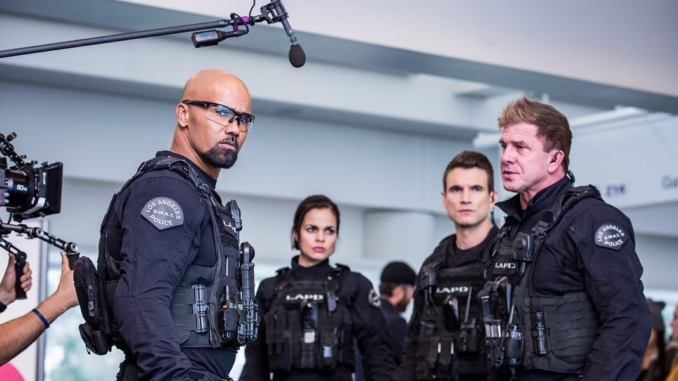
Decoding the Appeal of 8 Seasons of S.W.A.T.: Why Do Loyal Fans Refuse to Leave?
The Secret Behind S.W.A.T.’s Unshakable Fan Loyalty
In a television world where new shows appear and disappear faster than a tactical breach operation, surviving for eight seasons is no small achievement. Yet somehow, S.W.A.T. continues to hold onto a passionate fanbase that refuses to let go.
And honestly? That loyalty didn’t happen by accident.
Most action series lose momentum after a few seasons. The stories become repetitive. The characters stop evolving. Audiences drift away. But S.W.A.T. managed to avoid that trap by understanding one very important thing:
People stay for emotional connection, not just explosions.
Sure, the show delivers intense raids, tactical missions, and adrenaline-fueled shootouts. But beneath all the chaos is something surprisingly human — a story about trust, family, sacrifice, and identity.
That emotional core is exactly why fans keep coming back year after year.
S.W.A.T. Turned Action Into Emotional Storytelling
At first glance, S.W.A.T. looks like a classic procedural action drama. Fast chases. Dangerous criminals. Tactical operations. High-stakes missions.
But longtime viewers know the real magic happens between the action scenes.
The show consistently balances explosive tension with emotional vulnerability. One moment, the team is storming a building. The next, characters are confronting trauma, loyalty conflicts, family struggles, or personal fears.
That emotional balance keeps the series grounded.
Without heart, action becomes noise.
S.W.A.T. understood that from the beginning.
Daniel “Hondo” Harrelson Became the Heart of the Series
A massive reason for the show’s lasting success is Shemar Moore as Daniel “Hondo” Harrelson.
Hondo isn’t just another action hero. He feels real.
He’s strong without being invincible. Confident without feeling arrogant. Tough without losing empathy. That balance makes him relatable in a way many television protagonists struggle to achieve.
Fans don’t just admire Hondo because he leads missions successfully. They connect with him because he constantly carries emotional pressure on his shoulders.
Leadership weighs heavily on him.
He wants to protect his team, support his community, honor his principles, and survive emotionally at the same time. Watching him navigate those responsibilities gives the show emotional depth beyond standard police drama formulas.
The Team Dynamic Feels Like Family
One of the smartest things S.W.A.T. ever did was make the team chemistry feel authentic.
Fans believe these characters genuinely care about each other.
That matters more than people realize.
The best television ensembles create emotional comfort for viewers. Over time, audiences stop feeling like they’re watching fictional characters. Instead, it feels like reconnecting with familiar people every week.
That emotional familiarity creates loyalty.
Whether it’s Deacon’s steady wisdom, Tan’s emotional growth, Chris Alonso’s determination, or Street’s reckless heart, every character brings something unique to the group dynamic.
Together, they feel less like coworkers and more like a found family surviving chaos together.
The Show Balances Real-World Issues Carefully
Unlike many action procedurals, S.W.A.T. frequently explores complicated social issues alongside its action storytelling.
The series touches on policing, race, trust, trauma, mental health, corruption, community tension, and institutional pressure. And while not every storyline lands perfectly, fans appreciate that the show at least tries to engage with real-world conversations.
That effort gives the series additional emotional weight.
The world inside S.W.A.T. feels connected to reality rather than existing inside a completely fictional bubble.
And that realism helps audiences stay emotionally invested.
Every Character Feels Emotionally Layered
Weak television shows often reduce characters to simple stereotypes.
The tough guy.
The comic relief.
The emotional one.
But S.W.A.T. consistently allows its characters to evolve emotionally over time.
Street struggles with maturity and self-worth. Deacon wrestles with family pressure and moral dilemmas. Tan faces emotional heartbreak and identity shifts. Hondo constantly battles responsibility and internal conflict.
Those emotional layers matter because they reflect real human complexity.
People are messy.
S.W.A.T. embraces that messiness instead of avoiding it.
The Action Still Feels Intense After Eight Seasons
Let’s be honest — action fatigue kills many long-running series.
Audiences eventually become numb to repetitive explosions and predictable shootouts. But S.W.A.T. keeps its action sequences engaging because they feel grounded, fast-paced, and emotionally connected to the characters.
The danger feels personal.
When missions go wrong, viewers care because the emotional stakes matter. It’s not just random chaos on-screen. These are people fans have spent years emotionally investing in.
That changes everything.
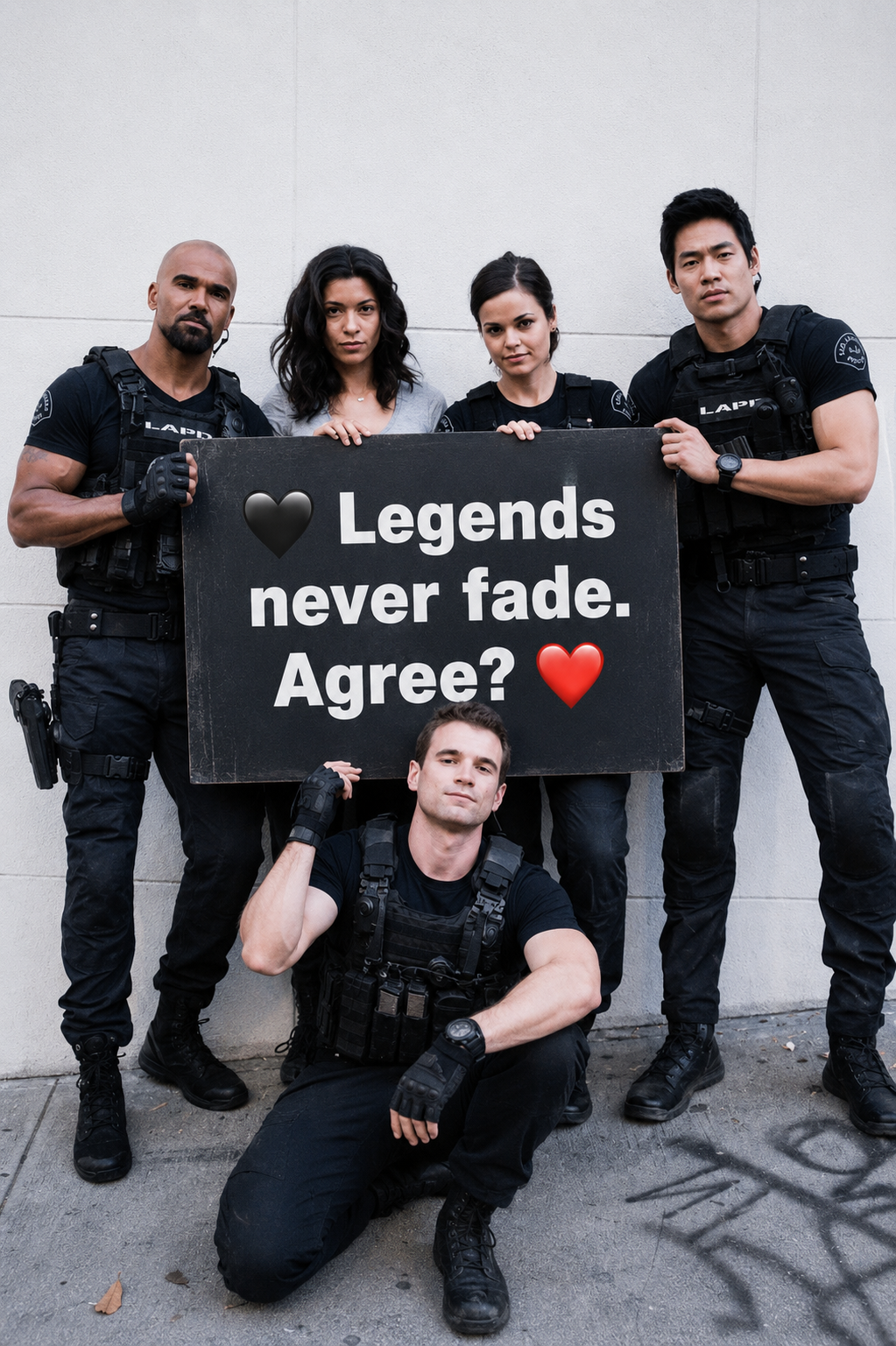
Fans Love Watching Characters Grow Over Time
Long-running television creates something unique: emotional history.
Viewers watched these characters evolve for years. They’ve witnessed heartbreaks, victories, betrayals, relationships, and painful mistakes alongside them.
That shared history builds attachment.
Street transforming from reckless rookie to dependable teammate feels satisfying because fans experienced the journey with him. Hondo becoming more emotionally vulnerable feels meaningful because audiences watched his walls slowly crack over multiple seasons.
Growth creates emotional payoff.
And S.W.A.T. delivers plenty of it.
The Show Understands Emotional Tension
One reason fans stay loyal is because the series rarely feels emotionally flat.
Even quieter episodes contain emotional undercurrents. Conversations often carry hidden tension, unresolved conflict, or emotional vulnerability simmering beneath the surface.
That keeps scenes engaging.
The best dramas understand that tension doesn’t always come from gunfire. Sometimes it comes from silence. Sometimes it comes from disappointment, fear, or unspoken loyalty.
S.W.A.T. uses those emotional layers surprisingly well for an action-driven show.
Shemar Moore’s Charisma Is Impossible to Ignore
Let’s be real for a second.
Shemar Moore brings enormous energy to the series. His charisma carries emotional warmth that makes Hondo instantly likable even during intense moments.
Some actors simply command attention naturally.
Moore combines toughness with emotional sincerity in a way that feels authentic rather than performative. Audiences trust him emotionally, and that trust strengthens their attachment to the series overall.
It’s difficult to imagine S.W.A.T. lasting this long without him.
The Series Creates Comfort for Viewers
There’s another reason loyal fans refuse to leave: emotional comfort.
Long-running shows often become part of people’s routines, memories, and emotional lives. Watching S.W.A.T. feels familiar. Safe. Reliable.
That emotional consistency matters more than critics sometimes realize.
For many fans, the series became a source of comfort during stressful periods in life. Returning to familiar characters each week can feel surprisingly therapeutic — almost like checking in with old friends.
That emotional connection creates lasting loyalty no marketing campaign can manufacture.
The Stakes Still Feel Real
Even after eight seasons, the show manages to maintain tension because consequences still exist.
Characters get hurt emotionally. Relationships fracture. Mistakes create fallout. Trauma leaves scars.
Nothing destroys suspense faster than making audiences feel like nobody can truly lose anything.
S.W.A.T. avoids that problem by allowing emotional consequences to linger beyond individual episodes.
That continuity keeps the drama feeling alive.
Fans Respect the Show’s Consistency
Television audiences forgive flaws when a series remains emotionally consistent.
And despite cast changes, network uncertainty, and evolving storylines, S.W.A.T. largely stayed true to its emotional identity.
It never fully abandoned the balance between action, humanity, teamwork, and emotional struggle that attracted fans originally.
Consistency builds trust.
Viewers know what emotional experience they’re signing up for every season.
And that reliability matters enormously in modern television.
Social Media Helped Strengthen the Fan Community
Another major factor behind the show’s longevity is its active fan community online.
Fans constantly discuss episodes, relationships, theories, emotional moments, and favorite characters across social media platforms. That shared excitement creates a sense of belonging.
Watching S.W.A.T. becomes more than entertainment.
It becomes a community experience.
People naturally stay loyal to stories that connect them emotionally to other fans around the world.
Why S.W.A.T. Feels More Human Than Most Action Shows
At its core, S.W.A.T. succeeds because it understands something many action dramas forget:
Vulnerability matters.
The characters cry. They fail. They panic. They question themselves. They carry guilt. They struggle emotionally after traumatic experiences.
Those human moments make the action meaningful.
Without emotional realism, action scenes eventually become empty spectacle.
S.W.A.T. avoids that emptiness by constantly returning to its emotional foundation.
The Series Became Bigger Than Just a Police Drama
Over time, S.W.A.T. evolved beyond its original premise.
It stopped feeling like “just another procedural.”
Instead, it became a long-running story about leadership, loyalty, identity, sacrifice, and emotional survival inside high-pressure environments.
That evolution helped the series stand out in a crowded television landscape.
Fans aren’t only watching missions anymore.
They’re watching people grow.
Will Fans Ever Truly Let Go?
That’s the fascinating question.
After eight seasons, many viewers feel emotionally attached not just to the story, but to the experience of watching the show itself. Walking away almost feels personal.
That level of loyalty is rare.
Television series come and go constantly, but only a handful create emotional bonds strong enough to survive nearly a decade.
S.W.A.T. achieved that by making audiences care deeply about the people behind the badges and tactical gear.
And honestly?
That emotional connection may outlast the show itself.
Conclusion
S.W.A.T. continues thriving after eight seasons because it understands the true secret behind long-lasting television success: emotional investment.
The action may attract viewers initially, but the humanity keeps them staying.
From Hondo’s leadership struggles to the team’s family-like bond, from emotional vulnerability to realistic tension, S.W.A.T. built a world fans genuinely care about. It transformed tactical action into emotional storytelling without losing its adrenaline-fueled identity.
That’s why loyal fans refuse to leave.
Because after eight seasons, S.W.A.T. doesn’t just feel like a television show anymore.
It feels like home.
FAQs
Why has S.W.A.T. lasted so many seasons?
The series balances emotional storytelling, strong character development, realistic action, and team chemistry in a way that keeps audiences invested long-term.
Who is the most important character in S.W.A.T.?
Many fans consider Daniel “Hondo” Harrelson, played by Shemar Moore, to be the emotional core of the show.
What makes S.W.A.T. different from other police dramas?
The show combines tactical action with emotional vulnerability, social issues, and deep character relationships rather than focusing only on crime-solving.
Why do fans connect emotionally with the series?
The characters evolve realistically over time, face emotional consequences, and develop strong relationships that feel authentic to viewers.
Could S.W.A.T. continue beyond eight seasons?
Given the loyal fanbase and emotional investment audiences still have in the characters, many viewers believe the franchise still has room to grow.