
What makes Steel Magnolias so enduring is not just its performances or its emotional scenes. It is the quiet, persistent truth at the center of its story—one that feels too real to ignore.
The character of Shelby, portrayed by Julia Roberts, is not simply written as a tragic figure. She is vibrant, determined, and full of life. She laughs easily, loves deeply, and refuses to let her condition define her.
And yet, her body tells a different story.
Shelby lives with Type 1 diabetes, a condition that, at the time the film was set, carried far greater risks and fewer treatment options than it does today. The film does not exaggerate this reality. Instead, it presents it with restraint—allowing the audience to slowly understand the weight of what she is living with.
This is where Steel Magnolias becomes more than a story.
It becomes a reflection of real-life experience.
Shelby’s decision to have a child, despite the medical risks, is one of the most quietly controversial aspects of the film. It is not framed as reckless, nor is it fully endorsed. Instead, it is presented as deeply human—a choice driven by love, desire, and the need to live a full life, even in the face of uncertainty.
That choice carries consequences.
The progression of Shelby’s condition is not dramatized with sudden twists. It unfolds gradually, almost quietly, making each step feel more inevitable. The audience is not shocked by what happens—they are forced to watch it coming.
And that anticipation is what makes it so painful. 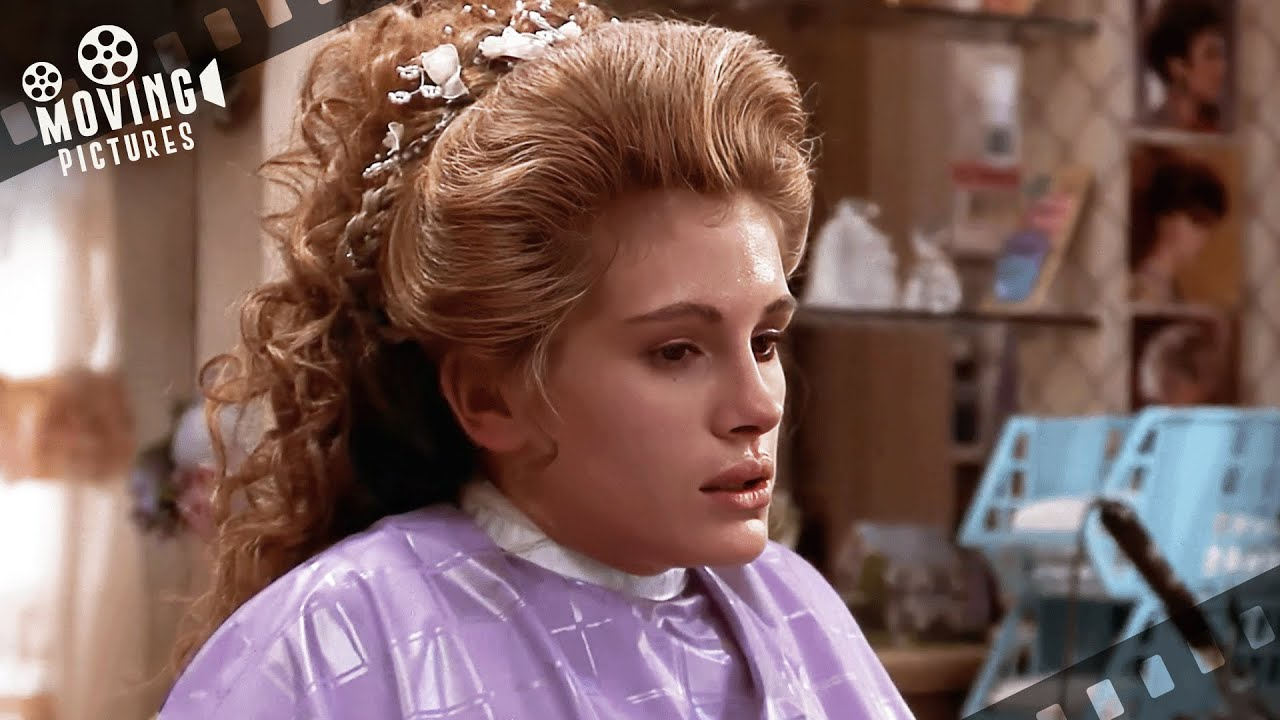
What many viewers do not realize is that the story was inspired by real events. Writer Robert Harling based the narrative on his own sister’s life and death. This connection adds another layer of weight to the film. It is not just fiction—it is a personal act of remembrance.
That reality changes how the story is perceived.
Moments that might otherwise feel scripted take on a different meaning. The humor feels like a coping mechanism. The warmth between characters feels like something preserved, not invented. And the loss feels less like a plot point and more like something that had to be faced.
In today’s context, advances in medicine have changed the outlook for people living with Type 1 diabetes. But that does not diminish the impact of Shelby’s story. Instead, it highlights how far things have come—and how much uncertainty once defined lives like hers.
Steel Magnolias does not present illness as a single defining trait. It shows how it exists alongside everything else—joy, love, conflict, and hope. Shelby is not reduced to her condition, and that is precisely what makes her story so heartbreaking.
Because in the end, the tragedy is not just that she was sick.
It is that she was so fully alive.