Some TV shows fade away quietly. Others refuse to leave the room. Family Matters belongs to the second group.
Originally premiering in the late 1980s, Family Matters wasn’t just another sitcom—it became a household staple. It made people laugh, yes, but it also made them feel seen. This review of the ’80s TV show Family Matters takes a deep dive into why the series worked, why it still resonates, and why its legacy continues decades later.
So grab a seat at the Winslow dinner table. Let’s talk.
What Was Family Matters All About?
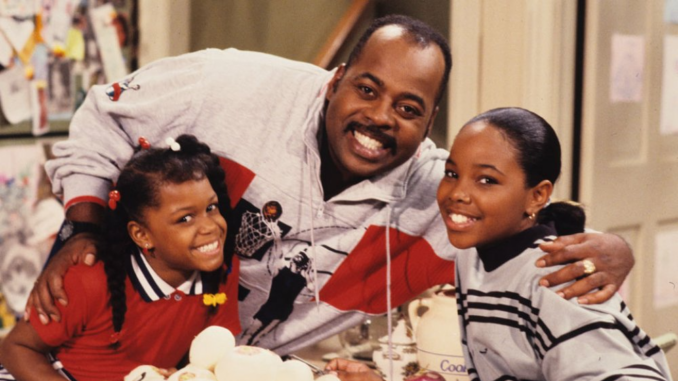
At its core, Family Matters followed the everyday lives of the Winslow family, a middle-class Black household living in Chicago. The show centered on Carl Winslow, a hardworking police officer, his wife Harriette, their children, and extended family members.
Sounds simple, right? That simplicity was its superpower.
The show mixed humor with real-life issues—family conflict, parenting struggles, peer pressure—without losing its heart.
Why Family Matters Stood Out in the ’80s
The late ’80s were packed with sitcoms, but Family Matters carved out its own lane.
Representation That Felt Natural
This wasn’t representation for show. The Winslows weren’t stereotypes. They were layered, loving, flawed, and real.
Comedy With a Moral Compass
Almost every episode ended with a lesson—but it never felt forced. The message came through naturally, like advice from a parent rather than a lecture.
The Winslow Family: A Sitcom Anchor Done Right
Carl Winslow: The Everyman Dad
Carl was strict, loving, tired, funny, and deeply human. He wasn’t perfect, and that’s why he worked.
Harriette Winslow: The Backbone
Harriette balanced warmth with authority. She wasn’t just a sitcom mom—she was the emotional engine of the household.
Together, Carl and Harriette felt like real parents, not caricatures.
Steve Urkel: The Character Who Changed Everything
Let’s address the suspenders in the room.
Steve Urkel wasn’t originally meant to dominate the show, but audiences couldn’t get enough of him. His awkward charm, high-pitched voice, and unshakable confidence turned him into a cultural icon.
Why Urkel Worked
-
He embraced being different
-
He never apologized for who he was
-
He turned “nerd” into a badge of honor
Urkel didn’t just steal scenes—he shifted pop culture.
Did Urkel Overshadow the Show?
Short answer: yes—but not in a bad way.
While later seasons leaned heavily into Urkel’s antics, the show never completely lost its family core. Think of Urkel as hot sauce. A little went a long way—but fans clearly liked it spicy.
The Humor: Slapstick Meets Smart Writing
Family Matters balanced physical comedy with sharp dialogue.
What Made the Comedy Effective
-
Visual gags for kids
-
Verbal humor for adults
-
Situational comedy everyone understood
It was a show the whole family could watch together without compromise.
Serious Topics Hidden Behind Laughs
One of the strongest elements of Family Matters was its willingness to tackle tough subjects.
Issues the Show Addressed
-
Racism
-
Peer pressure
-
Police accountability
-
Self-worth
-
Family conflict
The show wrapped these themes in humor, making them accessible instead of overwhelming.
The Setting: Why Chicago Mattered
Chicago wasn’t just a backdrop—it was part of the show’s identity.
The urban setting grounded the series in reality. It reinforced the idea that the Winslows were part of a broader community, not living in a sitcom bubble.
Supporting Characters That Added Depth
From Rachel to Eddie to Laura, the supporting cast gave the show texture.
Laura Winslow
Smart, confident, and emotionally grounded, Laura represented ambition without arrogance.
Eddie Winslow
Eddie’s journey from troublemaker to responsible adult mirrored real-life growth.
Each character had room to evolve—and that mattered.
The Writing Style: Simple, Effective, Timeless
The writing didn’t rely on shock value or cheap jokes. Instead, it trusted character-driven humor.
That’s why it still works today. Good writing ages well—like denim jackets and vinyl records.
How Family Matters Compared to Other ’80s Sitcoms
While many ’80s sitcoms focused purely on laughs, Family Matters leaned into emotional connection.
It didn’t try to be edgy. It tried to be honest.
And that honesty gave it staying power.
Why Family Matters Still Resonates Today
Modern audiences still connect with Family Matters because its themes haven’t expired.
Families still argue. Kids still feel out of place. Parents still worry. Love still wins.
The technology changed. The emotions didn’t.
The Cultural Impact of Family Matters
The show helped normalize Black family life on mainstream television without sensationalism.
It opened doors, changed narratives, and made space for stories that hadn’t been centered before.
That’s not just entertainment—that’s influence.
Strengths of Family Matters as a TV Show
-
Strong family dynamics
-
Memorable characters
-
Clean but clever humor
-
Emotional authenticity
-
Cultural relevance
It knew what it was—and never pretended to be something else.
Where the Show Fell Short
No review is complete without honesty.
Common Criticisms
-
Overreliance on Urkel in later seasons
-
Some exaggerated sci-fi storylines
-
Tonal shifts from grounded to cartoonish
Even so, these flaws never erased the show’s heart.
Is Family Matters Still Worth Watching Today?
Absolutely.
Whether you’re revisiting it for nostalgia or watching for the first time, Family Matters still delivers comfort, humor, and meaning.
It’s like visiting an old neighborhood—familiar, warm, and welcoming.
Final Verdict: A Classic That Earned Its Place
This review of the ’80s TV show Family Matters makes one thing clear: the series earned its legacy.
It didn’t just entertain—it connected. It didn’t just joke—it taught. And it didn’t just exist in its era—it transcended it.
That’s why Family Matters still matters.
FAQs
Is Family Matters an ’80s or ’90s show?
It began in the late 1980s and continued into the 1990s, bridging both eras.
Why did Steve Urkel become so popular?
His unapologetic confidence, humor, and uniqueness made him instantly memorable.
Was Family Matters a family-friendly show?
Yes, it was designed for multi-generational viewing with clean humor and meaningful lessons.
What made Family Matters different from other sitcoms?
Its balance of comedy, heart, and real-world issues set it apart.
Does Family Matters still hold up today?
Yes. Its themes, characters, and humor remain relatable and engaging.