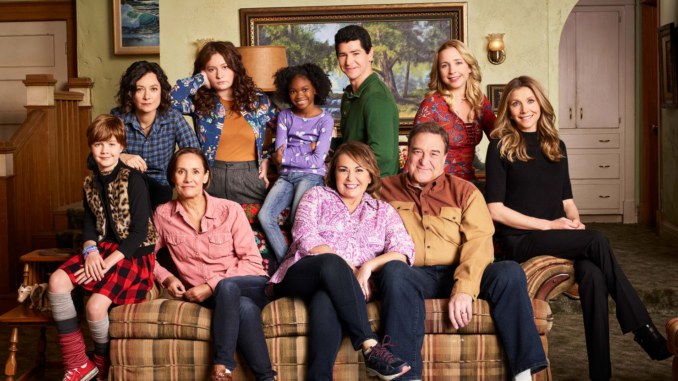
After multiple seasons on air, The Conners officially concluded in 2025, marking the end of a complex chapter in one of television’s most controversial franchises. As the direct successor to Roseanne, the series carried both the weight of a legacy and the burden of a scandal that reshaped its identity.
At the center of that transformation was one of the most debated creative decisions in modern sitcom history: the off-screen death of its original lead character, Roseanne Conner.
A Death That Redefined the Story
In the opening of The Conners, Roseanne Conner is revealed to have died from an opioid overdose—a narrative choice that immediately set the tone for the spin-off. The decision not only removed the character permanently but also symbolized a definitive break from the past.
For some viewers, the storyline reflected a realistic and timely issue, as opioid addiction has been a major social crisis in the United States. For others, however, the manner of the character’s death felt abrupt, even punitive, given the real-life controversy surrounding Roseanne Barr.
Ending or Erasure?
The question that continues to divide audiences is whether this was a natural narrative conclusion or a symbolic act of distancing the show from its former star.
Supporters of the decision argue that:
- It allowed the series to move forward without constant association with past controversies
- It grounded the show in contemporary social realities
Critics, on the other hand, see it differently:
- The death was perceived as an intentional and irreversible removal of a central figure
- It altered the emotional core that originally defined Roseanne
This divide highlights the broader tension between storytelling and real-world consequences in modern television. 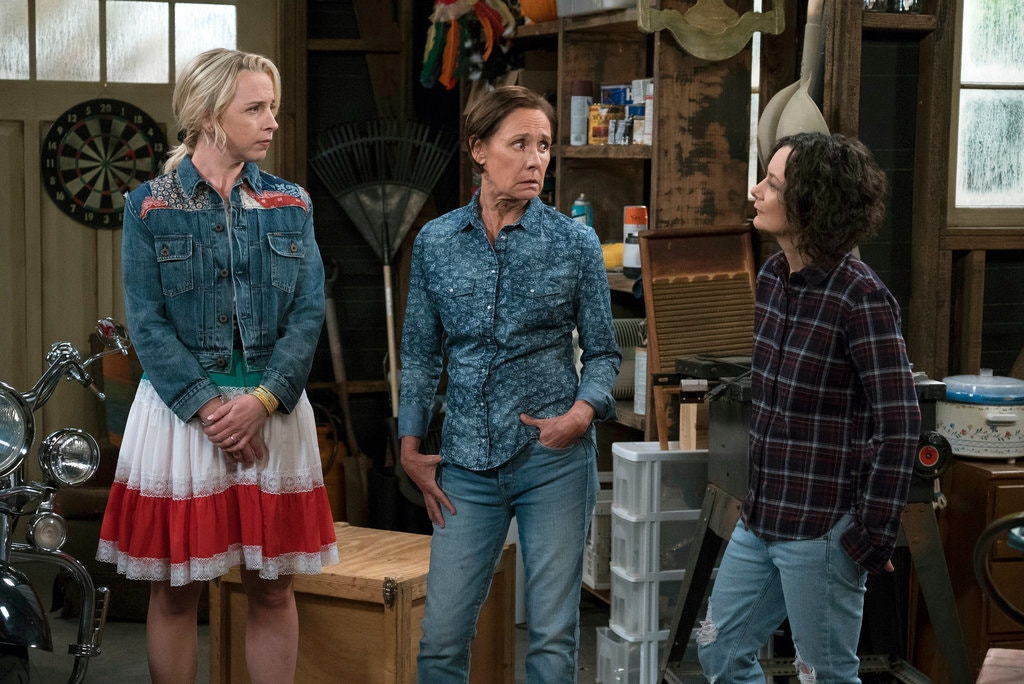
Can The Conners Replace a Cultural Icon?
Despite strong ratings and a multi-season run, The Conners has always existed in comparison to its predecessor. The absence of Roseanne Conner created space for other characters to develop, yet it also left a noticeable gap at the center of the narrative.
The original Roseanne was more than a sitcom—it was a cultural landmark that captured the struggles and humor of working-class America with a distinctive voice. Replicating that impact without its lead proved to be a difficult task.
While The Conners succeeded in continuing the family’s story, many viewers questioned whether it ever fully stepped out of the shadow of the original.
A Controversial Legacy Comes to a Close
With its final episode in 2025, The Conners closes not just a spin-off, but an era shaped by both acclaim and controversy. The decision to write out Roseanne Conner through such a definitive and tragic storyline remains one of the most ચર્ચed moments in sitcom history.
Was it a bold narrative choice reflecting real-world issues, or a symbolic judgment tied to events beyond the screen? The answer likely depends on where one stands in the ongoing debate over art, accountability, and legacy.
What is certain, however, is that the end of The Conners does not mark the end of the conversation. Instead, it leaves behind a question that continues to resonate: can a show ever truly move on from the figure that defined it?