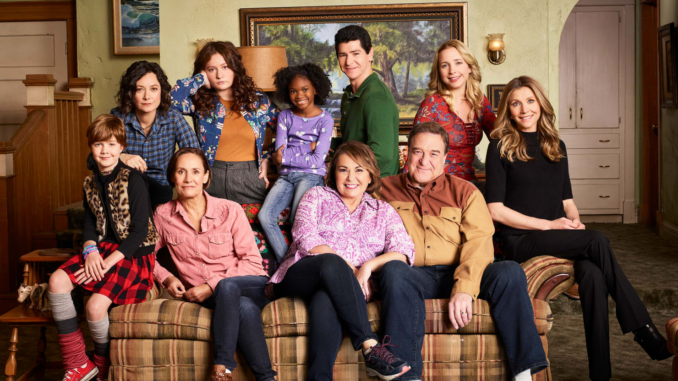
There are sitcoms that make you laugh, and then there is Roseanne — a series that didn’t just entertain, but challenged, provoked, and reshaped what television could dare to say.
As we mark another year since its debut, Roseanne stands not merely as a nostalgic relic, but as a cultural force that continues to echo through modern storytelling. Premiering in 1988, it broke away from the polished, idealized families dominating prime-time TV and introduced audiences to something far more uncomfortable — and far more real.
The Conner family was loud, flawed, and often on the brink of collapse. Financial struggles were not background noise; they were the story. Arguments were not softened for laughs; they cut deep, revealing the raw tension of everyday survival. At a time when television preferred fantasy, Roseanne insisted on truth.
What made the show revolutionary was not just its subject matter, but its refusal to apologize for it. It tackled issues like economic hardship, gender roles, and identity with a bluntness that many networks feared. Yet audiences responded — not because it was easy to watch, but because it was impossible to ignore.
Even decades later, the series remains strikingly relevant. The conversations it sparked about class, power, and family dynamics feel just as urgent today. In many ways, Roseanne predicted the tone of modern television — where imperfection is not hidden, but examined. 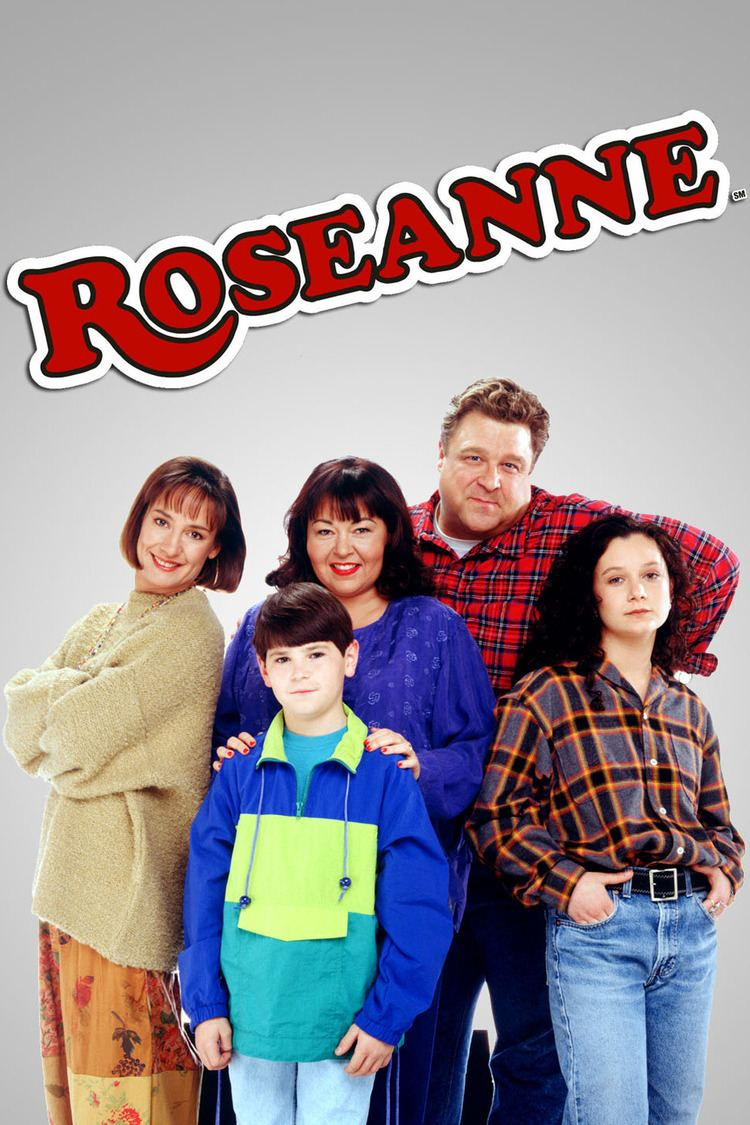
Of course, the legacy of Roseanne is as complicated as the show itself. Its impact has been shaped not only by its groundbreaking storytelling but also by the controversies that followed. And yet, despite everything, the original series endures — studied, debated, and remembered as one of the boldest experiments in sitcom history.
A birthday is often a moment of celebration, but for Roseanne, it is also a moment of reflection. Few shows have dared to be this honest. Fewer still have paid the price for it so publicly.
And perhaps that is why it still matters.
Because Roseanne never tried to be perfect.
It only tried to be real.