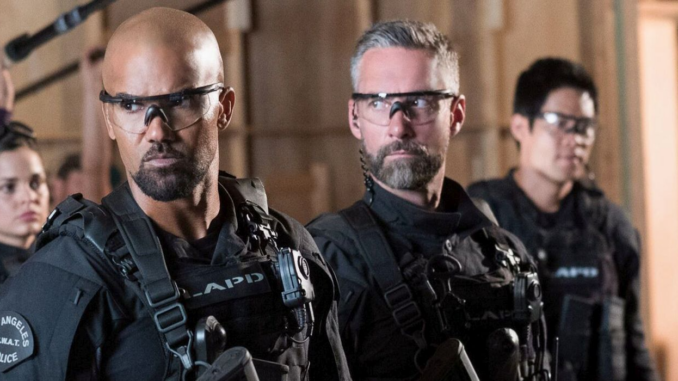
For nearly a decade, S.W.A.T. wasn’t just another police procedural—it was appointment television. Explosions, moral dilemmas, brotherhood, and heart all collided week after week. Led by the magnetic Shemar Moore, the CBS drama built a loyal fanbase and defied cancellation more than once. So when the series finally ended after eight seasons, it felt like the closing of a chapter for network TV itself.
Let’s unpack how S.W.A.T. ended, why it mattered, and what made its final moments resonate long after the last siren faded.
A Quick Look Back at S.W.A.T.’s Journey
When S.W.A.T. premiered, expectations were cautious. Another reboot? Another cop show? But it quickly proved it had something different.
The series blended:
-
High-octane action
-
Social commentary
-
Character-driven storytelling
And at the center of it all stood Daniel “Hondo” Harrelson.
Why Shemar Moore Was the Heart of the Show
Hondo Was More Than a TV Cop
Shemar Moore didn’t just play Hondo—he embodied him.
Hondo was:
-
A leader torn between loyalty and duty
-
A bridge between the community and law enforcement
-
A man constantly questioning the cost of doing the right thing
Moore brought warmth, authority, and vulnerability that grounded even the most explosive episodes.
Eight Seasons Is No Small Feat for Network TV
Let’s be real—eight seasons on network television is rare these days.
What Kept S.W.A.T. Alive So Long?
Several key factors:
-
Consistent ratings
-
A passionate fanbase
-
Timely, relevant storylines
-
A cast with genuine chemistry
The show survived industry shifts, scheduling changes, and even multiple cancellation scares.
The Cancellation That Actually Stuck
S.W.A.T. famously avoided cancellation more than once. Each renewal felt like a last stand.
But after Season 8, CBS finally made the call:
-
The story had reached a natural endpoint
-
Costs were rising
-
The network was shifting priorities
This time, there was no reversal.
How the Final Season Set the Tone
Season 8 Felt Intentional
Unlike sudden cancellations, Season 8 felt like a farewell.
The writers focused on:
-
Closure over shock value
-
Character reflection
-
Legacy rather than escalation
It wasn’t about going bigger—it was about going deeper.
Hondo’s Final Arc: Leadership Above All
A Leader Tested Until the End
Hondo’s final storyline stayed true to who he was.
He faced:
-
Impossible choices
-
Moral gray areas
-
The weight of responsibility
Rather than riding off into chaos, he doubled down on leadership—steady, thoughtful, and human.
The Team Dynamics That Defined the Finale
S.W.A.T. was never a one-man show.
Why the Ensemble Mattered
Characters like:
-
Deacon
-
Tan
-
Street
-
Powell
All received moments that honored their growth. The finale felt like a group effort—just like every mission before it.
No Cheap Deaths, No Shock Endings
Why the Ending Felt Respectful
In an era of jaw-dropping finales, S.W.A.T. chose restraint.
No unnecessary deaths.
No out-of-character twists.
Instead, it delivered something rarer:
emotional consistency.
The Final Episode: A Quiet Kind of Power
The last episode didn’t scream—it stood firm.
It focused on:
-
Team unity
-
The ongoing nature of service
-
The idea that the work never truly ends
That choice made the goodbye feel earned.
Themes That Came Full Circle
Community, Responsibility, Brotherhood
From day one, S.W.A.T. explored:
-
Trust between police and the public
-
Ethical responsibility
-
Found family
The finale echoed all of it—like a closing note that resolves the melody.
Why Fans Felt Satisfied (and Still Emotional)
Not every show sticks the landing. S.W.A.T. did.
Fans responded because:
-
Characters stayed true to themselves
-
Stories felt complete
-
The ending respected the journey
It hurt—but in a good way.
S.W.A.T.’s Legacy in the Police Drama Genre
More Than Just Action TV
S.W.A.T. helped modernize the police procedural by:
-
Addressing real-world tensions
-
Humanizing law enforcement without glorifying it
-
Showing consequences, not just heroics
It left the genre better than it found it.
Why S.W.A.T. Feels Like the End of an Era
Network TV doesn’t make shows like this as often anymore.
Eight seasons.
Twenty-plus episodes a year.
A loyal weekly audience.
S.W.A.T. was built for longevity—and it earned it.
What Shemar Moore Said Through the Story
Without speeches or monologues, the ending said it all:
Leadership isn’t about winning—it’s about staying when it’s hard.
That message lingered.
Will S.W.A.T. Live On Through Streaming?
Absolutely.
The show’s structure makes it:
-
Highly bingeable
-
Timeless in theme
-
Perfect for rediscovery
For many viewers, the finale won’t be the end—it’ll be the beginning of a rewatch.
Why the Ending Worked So Well
Because it trusted the audience.
No fireworks.
No gimmicks.
Just truth.
Like a good handshake instead of a loud goodbye.
Conclusion
S.W.A.T. didn’t end with chaos or spectacle—it ended with purpose. After eight seasons, the CBS police drama starring Shemar Moore closed its doors by honoring its characters, its themes, and its fans. The finale wasn’t about endings—it was about continuation, about service that never really stops. In doing so, S.W.A.T. proved that sometimes the strongest ending is the one that stays true to its core.
Frequently Asked Questions (FAQs)
1. Why did S.W.A.T. end after Season 8?
CBS chose not to renew the series after Season 8 due to shifting network priorities and rising production costs.
2. Did S.W.A.T. get a proper finale?
Yes, the show ended with a planned and emotionally satisfying finale that offered closure.
3. What happened to Hondo in the final episode?
Hondo remained in leadership, reaffirming his commitment to his team and community.
4. Were any main characters killed off in the finale?
No, the series avoided shock deaths and focused on respectful closure.
5. Is S.W.A.T. worth watching from the beginning?
Absolutely. The show’s long-form character development makes the full journey rewarding.