
At first glance, Roseanne looked like a typical American sitcom—loud, messy, and filled with working-class humor. But beneath the laughter, the series constructed something far more unsettling: a brutally honest portrait of economic struggle that many viewers were not prepared to confront.
The Conner family did not live in comfort. They struggled to pay bills, faced job instability, and often argued over money. One of the most haunting moments occurs when the electricity is cut off, forcing the family to sit together in darkness. There are no jokes to soften the blow—only silence and tension. It is in these moments that the show abandons comedy entirely and becomes something closer to social realism. 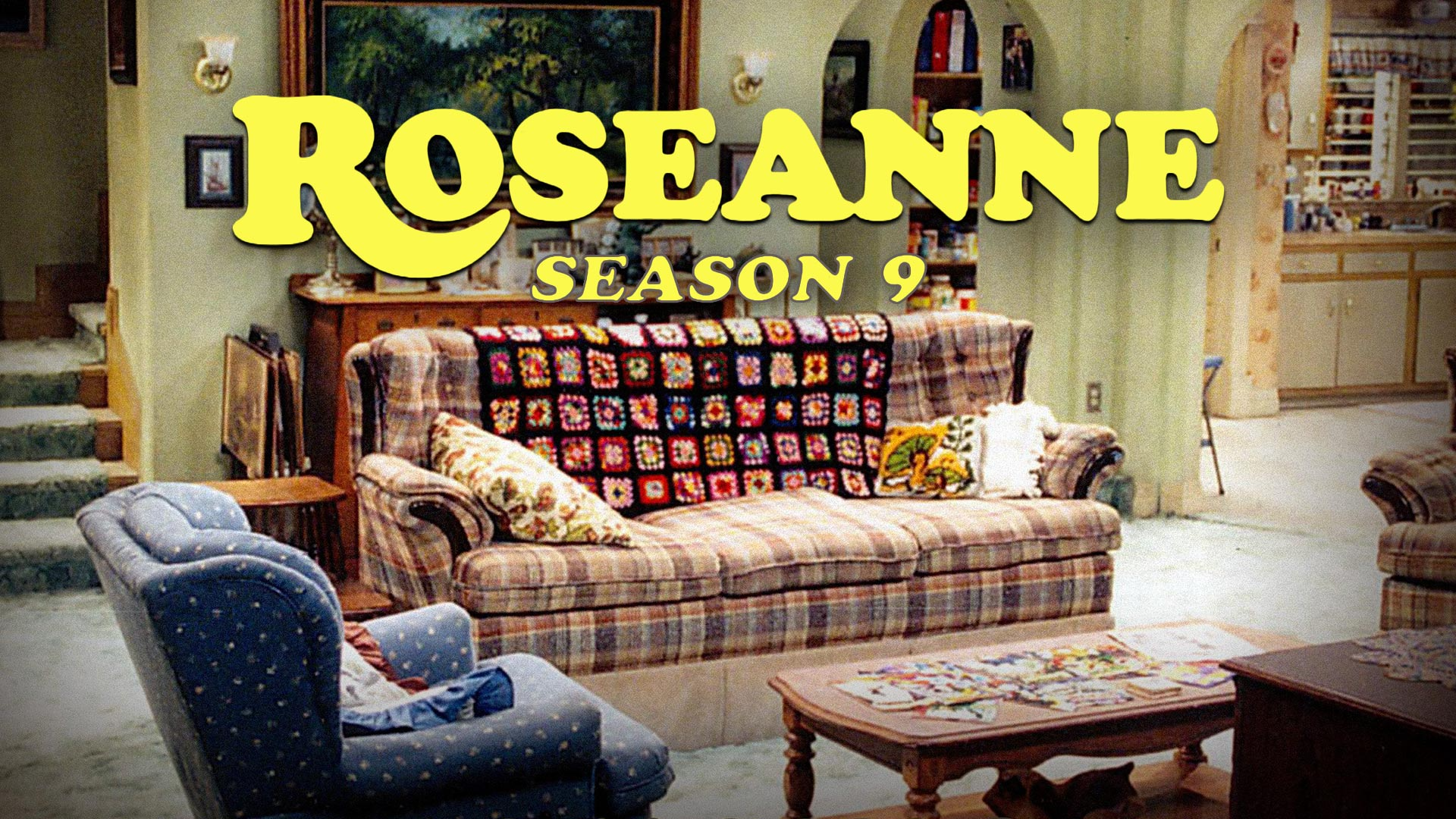
What made Roseanne revolutionary was not just its subject matter, but its refusal to offer easy solutions. The problems did not resolve neatly within 30 minutes. Instead, they lingered, echoing the real-life experiences of millions of viewers. The laughter, when it came, felt less like relief and more like survival.