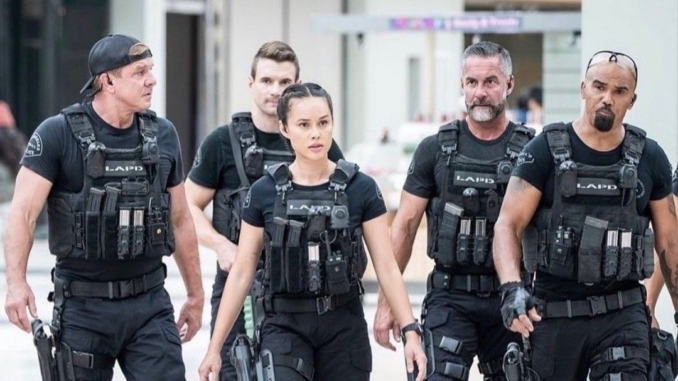
Are the New S.W.A.T. Characters Really “Bland”… Or Are We Just Not Used to Them Yet?
When long-running shows introduce new faces, fan reactions are almost always mixed. That’s exactly what happened when S.W.A.T. began shifting its lineup. Some viewers quickly labeled the new characters as “bland,” while others argued they simply haven’t had enough time to grow.
So are the new additions actually lacking personality — or is this just the natural adjustment period?
Why New Characters Always Feel Different
For years, audiences bonded with the original 20-Squad lineup. Those characters had seasons of development, backstory, and emotional moments. New arrivals, by comparison, enter without that history.
That creates an immediate contrast:
- Less backstory
- Fewer defining moments
- Limited emotional stakes
- No long-term character arcs yet
This can make even well-written characters feel flat at first.
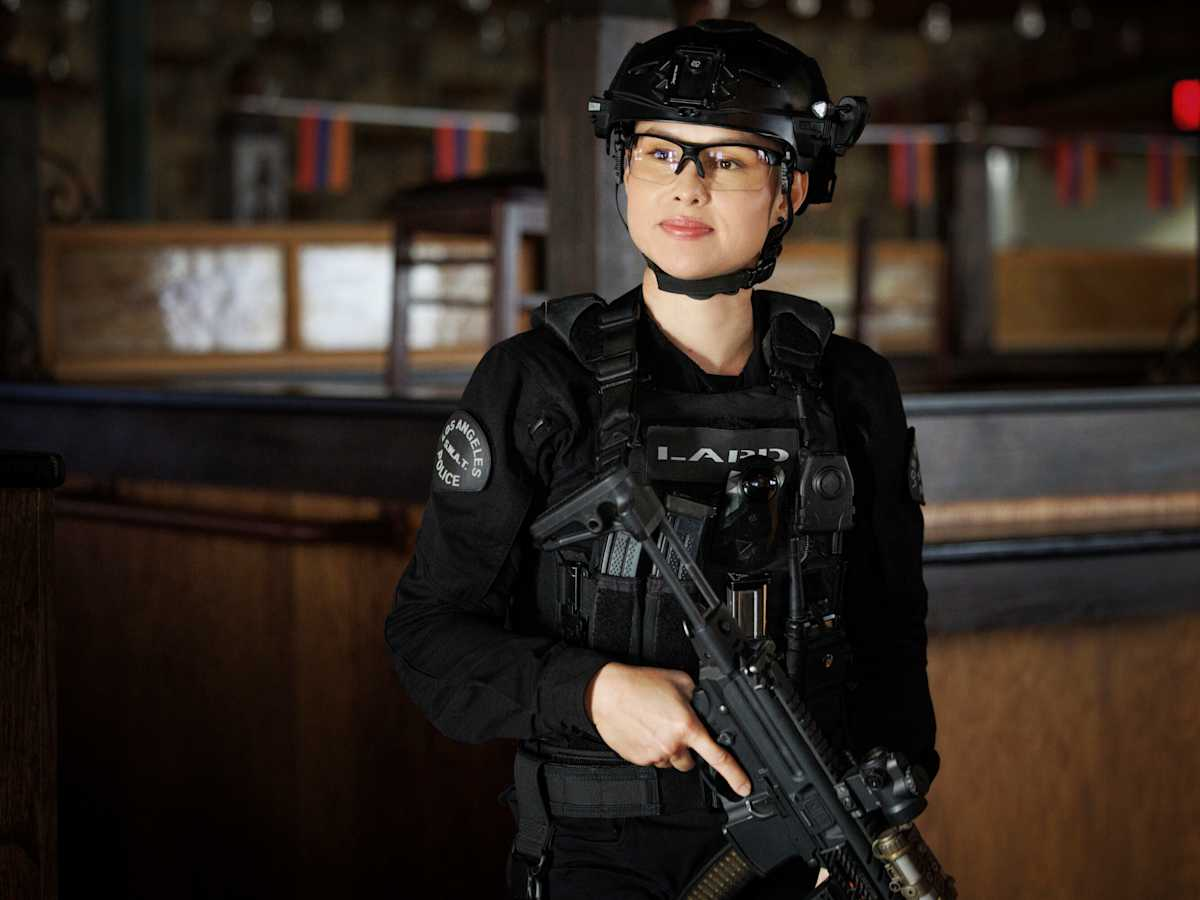
The “Replacement Effect”
Another factor is what fans call the replacement problem. When beloved characters leave, viewers don’t just evaluate the new ones — they compare them.
That comparison usually isn’t fair:
- Originals had years to evolve
- New characters must prove themselves quickly
- Nostalgia amplifies criticism
- Fans resist change in established teams
Because of this, “bland” often really means “not the old characters.”
The Writing Pace Matters
Procedural dramas like S.W.A.T. tend to introduce character depth gradually. Early episodes often prioritize action and plot over personal storytelling. That means new characters may seem quieter until their arcs unfold.
Over time, shows usually add:
- Personal backstories
- Conflicts within the team
- Emotional stakes
- Signature personality traits
Once that happens, audience perception often changes.
Hondo’s Role in the Transition
At the center of the evolving team is Daniel “Hondo” Harrelson. His leadership creates continuity between old and new members. The show often uses Hondo as the bridge, allowing fresh characters to integrate into the team dynamic.
This transition takes time — and until it fully settles, new characters can feel less defined.
Are They Actually Bland?
Not necessarily. What viewers are likely experiencing is:
- Limited screen time
- Early-stage character writing
- Comparison to fan favorites
- Adjustment to new dynamics
Many characters in long-running shows start quietly before becoming fan favorites later.
Give Them Time
Television history is full of characters who were initially criticized, then became essential. The same could happen here. As storylines expand and relationships deepen, the new team members may develop stronger identities.
Right now, they may feel different — but different doesn’t always mean bland.
And in a show built on teamwork, sometimes it takes a few missions before the chemistry really clicks.