Introduction: A Cowboy at a Crossroads
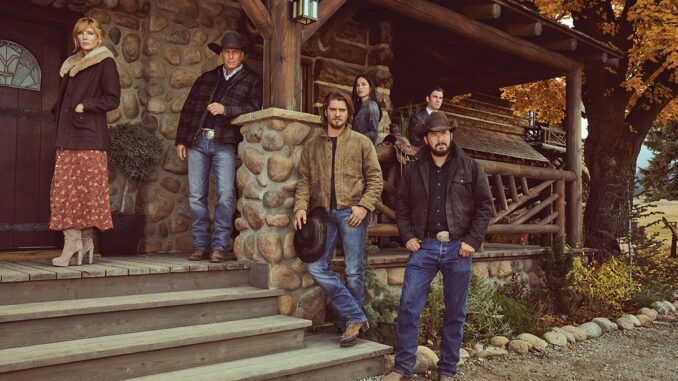
When you think of modern Western television, it’s almost impossible not to picture Yellowstone. The rugged landscapes. The Dutton family drama. The tension thick as Montana fog. And at the heart of it all? Kayce Dutton, played by Luke Grimes.
So when news broke that Grimes would step into a new chapter with the spin-off series Marshals, fans were thrilled.
But here’s the twist: he wasn’t.
In fact, Luke Grimes was hesitant. Unsure. Even conflicted.
Why would a leading man hesitate to continue a role that turned him into a household name? Let’s saddle up and take a closer look.
The Weight of the ‘Yellowstone’ Legacy
Living in the Shadow of a Cultural Phenomenon
Yellowstone isn’t just another TV show. It’s a phenomenon. Created by Taylor Sheridan, the series redefined the modern Western and built a universe that spans generations.
When a show becomes that iconic, it casts a long shadow. Any spin-off tied to it carries expectations the size of the Montana sky.
Grimes knew that stepping into a spin-off meant stepping into comparison.
Would it live up to the original?
Would fans accept it?
Would it feel authentic—or forced?
That’s pressure. And pressure can crack even the toughest cowboy boots.
Protecting Kayce Dutton’s Story Arc
A Character Who Found His Peace
Over multiple seasons, Kayce Dutton evolved. He was torn between loyalty to family and loyalty to himself. Between violence and peace. Between the ranch and his own moral compass.
By the time his arc slowed, many fans felt something rare: closure.
Grimes reportedly wrestled with a crucial question: Should Kayce’s story continue?
Sometimes, the most powerful endings are the quiet ones. Extending a character’s journey can feel like reopening a wound that finally healed.
When More Isn’t Always Better
In Hollywood, success often leads to expansion. More seasons. More spin-offs. More content.
But storytelling isn’t a buffet where you just keep piling food on the plate. Sometimes restraint is what keeps the meal unforgettable.
Grimes didn’t want Kayce’s growth diluted. He didn’t want repetition. He didn’t want a cash grab.
That hesitation? It wasn’t fear. It was respect.
The Emotional Toll of the Role
Carrying Trauma On and Off Screen
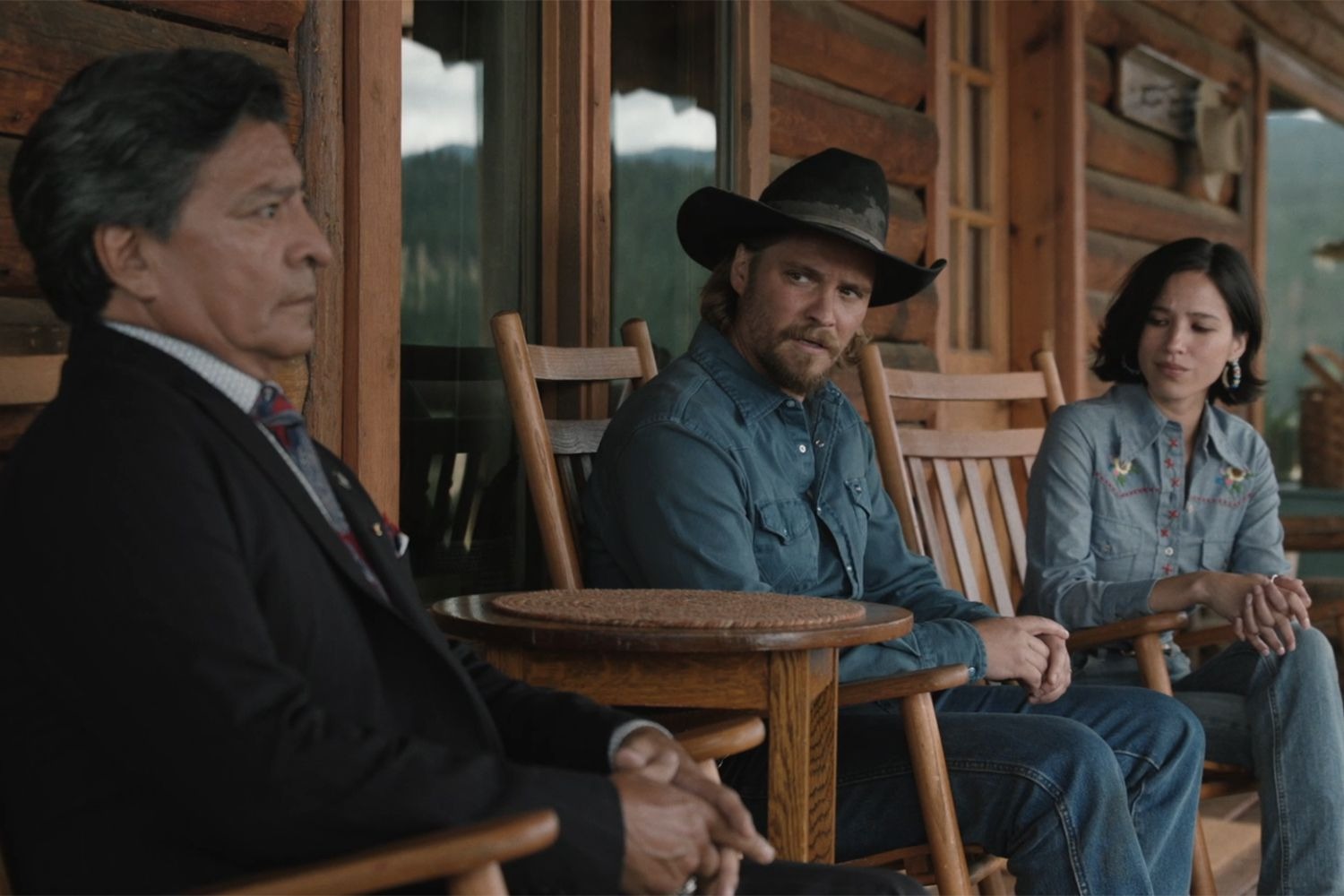
Let’s be honest—Kayce Dutton wasn’t playing checkers on the porch. His storyline dealt with war trauma, family violence, moral conflict, and spiritual reckoning.
That kind of emotional intensity isn’t something you just shake off between takes.
Grimes has spoken in interviews about how deeply he connects to his characters. For him, acting isn’t surface-level. It’s immersive. It’s internal.
Continuing in a spin-off meant diving back into that emotional battlefield.
And sometimes, even actors need a breath of fresh air.
Avoiding Franchise Fatigue
When Universes Expand Too Fast
We’ve all seen it before. A hit show spawns prequels, sequels, spin-offs, side stories, limited series, and suddenly… it feels crowded.
The Yellowstone universe already includes expansions like 1883 and 1923. Each brought its own flavor. Each carved its own lane.
Grimes reportedly didn’t want to jump into something that felt unnecessary.
Would “Marshals” stand on its own?
Or would it feel like another extension in an already sprawling franchise?
That uncertainty mattered to him.
Creative Integrity Over Comfort
The Risk of Staying Safe
It’s easy to stay where you’re successful. Comfortable. Recognized.
But growth? Growth requires risk.
Grimes had to ask himself:
Am I continuing because it’s right… or because it’s easy?
Actors often fear being typecast. Kayce Dutton was powerful, yes—but also very specific. The stoic cowboy. The reluctant warrior.
Continuing in the same world could box him in.
And no artist wants to feel trapped.
Redefining Kayce in ‘Marshals’
A New Direction, A New Identity
The spin-off Marshals reportedly shifts Kayce into a new professional path—stepping into law enforcement territory rather than ranch politics.
That shift intrigued Grimes—but it also worried him.
Would it still feel like Kayce?
Or would it feel like a different character wearing the same face?
Character consistency matters. Fans notice when something feels off.
Grimes wanted authenticity, not convenience.
The Influence of Taylor Sheridan
Trusting the Vision
Let’s not forget the creative mastermind behind the franchise: Taylor Sheridan.
Sheridan built the Dutton universe from grit and dust. His storytelling style is raw, character-driven, and unapologetic.
Grimes’ hesitation reportedly softened when he saw the direction Sheridan envisioned. Trust matters in creative partnerships.
It’s like riding a horse across open plains—you need to trust the rider and the reins.
Once Grimes believed the spin-off had purpose, not just profit, the hesitation began to fade.
Fan Expectations and Online Scrutiny
The Double-Edged Sword of Fame
Fans can be passionate. Loyal. Protective.
But they can also be brutally critical.
Social media magnifies every creative decision. One misstep, and it trends for all the wrong reasons.
Grimes understood that stepping into a spin-off meant stepping back into the spotlight—with even sharper eyes watching.
That level of scrutiny can make anyone pause.
Balancing Personal Life and Career
Life Beyond the Camera
Success changes schedules. Travel demands increase. Press tours multiply.
Grimes has always seemed grounded—private, thoughtful, not obsessed with Hollywood hype.
Taking on a spin-off meant committing years of his life again.
And sometimes the hardest decision isn’t about career—it’s about time.
Time is the one thing no contract can extend.
The Artistic Fear of Repetition
Telling the Same Story Twice
Audiences crave evolution. They don’t want recycled tension or recycled dialogue.
Grimes reportedly worried about creative stagnation.
Would “Marshals” push boundaries?
Would it challenge him?
Would it reveal new layers of Kayce?
If the answer had been no, the hesitation likely would’ve turned into a firm refusal.
Why He Ultimately Said Yes
A Story Worth Telling
So what changed?
Purpose.
When the spin-off positioned Kayce in a fresh moral arena—dealing with justice beyond the ranch—it opened storytelling doors.
It wasn’t just more “Yellowstone.”
It was evolution.
Grimes saw an opportunity to explore responsibility, redemption, and identity in new ways.
That’s the kind of challenge actors chase.
What ‘Marshals’ Means for the Yellowstone Universe
Expansion with Intention
If done right, “Marshals” could deepen the world without diluting it.
It could show how the Dutton legacy ripples beyond land ownership and into law, order, and moral complexity.
And if Grimes’ initial hesitation tells us anything, it’s this:
He won’t sign onto something hollow.
Conclusion: Hesitation Isn’t Weakness—It’s Wisdom
Luke Grimes didn’t hesitate because he doubted himself.
He hesitated because he cared.
He cared about Kayce Dutton.
He cared about storytelling.
He cared about not overstaying a powerful narrative.
In an industry that often rewards speed over substance, that pause speaks volumes.
Sometimes, the strongest move isn’t charging forward.
Sometimes, it’s standing still long enough to ask, Is this worth it?
For Grimes—and for fans—it seems the answer was yes.