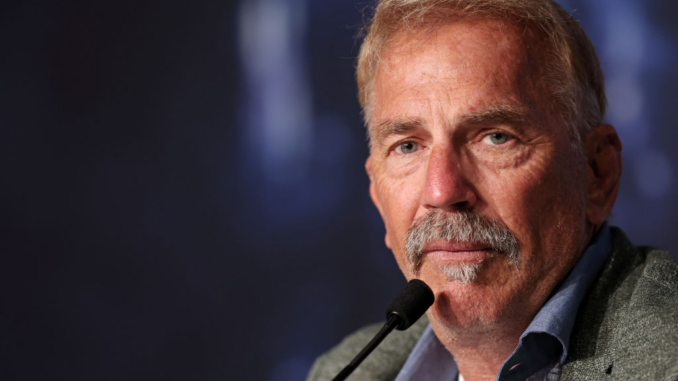
When fans think of Yellowstone, they picture sweeping landscapes, ruthless power plays, and the iron will of John Dutton. But behind the camera, something far less cinematic—and far more human—was unfolding. Kevin Costner and Josh Lucas, who both portray versions of John Dutton, reportedly had to be kept separate during filming.
That single detail sent shockwaves through the fandom. Why would two actors playing the same character at different ages need to be separated? Was it tension? Ego? Creative clashes? Or something much more practical?
Let’s unpack the truth, cut through the rumors, and explore what really happened on the Yellowstone set.
Why Kevin Costner and Josh Lucas Are Both John Dutton
First, context matters.
Kevin Costner plays the present-day John Dutton—the hardened patriarch fighting to protect his land. Josh Lucas portrays a younger John Dutton in flashbacks, showing how the man became who he is.
Two timelines. One character. Two intense performances.
On paper, it sounds seamless. In reality, it created unexpected challenges.
The Creative Challenge of Sharing One Iconic Role
Playing the same character is tricky business.
Both actors had strong ideas about John Dutton’s personality, motivations, and emotional scars. Costner brought decades of screen authority. Lucas brought raw intensity and youthful fire.
Neither approach was wrong—but blending them required precision.
Why Producers Stepped In Early
According to behind-the-scenes reports, producers noticed something quickly: too much overlap created friction.
When actors portraying the same role spend too much time together, comparisons happen. Creative influence bleeds over. Distinct character interpretations can blur.
To protect the integrity of both performances, production made a call—keep them separate.
This Wasn’t About Personal Conflict
Let’s clear this up right away.
There’s no evidence of personal animosity between Kevin Costner and Josh Lucas. This wasn’t a feud. It wasn’t a meltdown. It was professional boundaries.
Sometimes the smartest move isn’t confrontation—it’s space.
Why Separation Helped the Story
Keeping them apart actually strengthened the show.
Each actor could fully inhabit his version of John Dutton without second-guessing or adjusting based on the other’s performance. The result? Two versions of the same man that feel connected—but not copied.
That emotional continuity is hard to pull off, and Yellowstone nailed it.
The Psychology Behind Playing the Same Character
Actors build characters internally.
They develop backstories, physical habits, and emotional triggers. When two actors share a role, those internal maps can clash.
By separating Costner and Lucas, producers allowed both men to commit fully—without creative interference.
Why Flashback Characters Need Independence
Flashbacks aren’t just memories. They’re storytelling tools.
Josh Lucas’s John Dutton needed to feel alive, flawed, and evolving—not like a shadow of Costner’s performance. Independence made that possible.
If Lucas had mirrored Costner too closely, the flashbacks would’ve felt hollow.
Kevin Costner’s Leadership Style on Set
Kevin Costner is known for his strong presence.
That’s not a criticism—it’s a fact. He commands scenes naturally. Giving him space allowed him to anchor the modern timeline without unintentionally dominating the flashback narrative.
Leadership sometimes means knowing when not to overlap.
Josh Lucas and the Weight of Expectations
Josh Lucas had a tough task.
He wasn’t just playing a younger man—he was playing a younger version of an icon. That pressure can mess with any actor’s head.
Being kept separate helped Lucas focus on authenticity instead of comparison.
Why Fans Misinterpreted the Separation
When fans hear “kept separate,” imaginations run wild.
Drama sells. Conflict clicks. But in reality, this decision was closer to choreography than conflict. It was about precision, not punishment.
Sometimes good storytelling requires invisible boundaries.
How This Decision Improved Yellowstone’s Legacy
Look at the results.
Flashbacks feel meaningful. Character development feels earned. The emotional throughline works. That doesn’t happen by accident.
This behind-the-scenes choice helped Yellowstone maintain narrative depth across timelines.
Other Shows Have Done the Same Thing
This isn’t unique to Yellowstone.
Many productions separate actors portraying the same character at different ages. It’s a proven strategy to avoid creative dilution.
When done right, audiences never notice—and that’s the point.
Why This Says More About Professionalism Than Drama
If anything, this story highlights professionalism.
Both Costner and Lucas respected the process. They trusted the producers. And they delivered performances that fans still talk about.
That’s not tension—that’s teamwork.
The Power of Controlled Creative Distance
Creative distance isn’t a bad thing.
Like magnets, too much closeness can repel. The right amount of space creates balance. Yellowstone understood that—and benefited from it.
Sometimes less interaction leads to stronger results.
What Fans Can Learn From This Story
Here’s the takeaway: not all separation equals conflict.
In creative environments, boundaries protect vision. They sharpen focus. And they allow artists to do their best work.
That’s exactly what happened here.
Why This Behind-the-Scenes Story Still Fascinates Fans
Fans love peeking behind the curtain.
This story humanizes the show. It reminds us that even the biggest productions face delicate creative decisions.
And honestly? It makes Yellowstone even more impressive.
Conclusion: Separation Was the Secret Ingredient
So yes—Kevin Costner and Josh Lucas were kept separate during Yellowstone. Not because of drama, but because of discipline.
That choice preserved two powerful performances, strengthened the story, and helped create one of television’s most compelling characters across generations.
Sometimes, the best collaborations happen at a distance.
FAQs
1. Did Kevin Costner and Josh Lucas have a feud?
No, there’s no evidence of personal conflict between them.
2. Why were they kept separate on set?
To protect distinct character interpretations and avoid creative overlap.
3. Did this affect the quality of Yellowstone?
Yes—in a positive way. It strengthened storytelling.
4. Is this common in TV productions?
Yes, especially when multiple actors portray the same character.
5. Would Yellowstone work without the flashbacks?
It would—but the flashbacks add depth that fans deeply appreciate.