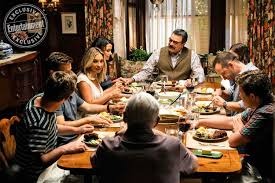
Blue Bloods’ Sunday Dinner — Why This Scene Became Television’s Most Beloved Tradition
If you’ve ever watched Blue Bloods, you know the Sunday dinner scenes hit differently. Guns, crime, investigations — sure, that’s the engine. But the heart? It’s the table.
Week after week, the Reagan family gathers. Arguments spark. Values clash. Someone passes the potatoes. And somehow, viewers feel like they’re sitting right there.
But here’s the twist: those scenes are far more complicated to film than they look. Let’s pull back the curtain.
The Emotional Core of Blue Bloods
Why Sunday Dinner Matters to the Story
The dinner table isn’t filler. It’s the narrative glue. Characters debate politics, ethics, policing, and family loyalty — all in one contained space.
It’s storytelling disguised as conversation.
A Modern TV Ritual
Very few shows maintain a recurring ritual across seasons. Sunday dinner became the show’s signature — the moment fans anticipate most.
Secret #1 — The Food Is Real… and That’s a Problem
Yes, the actors actually eat real food.
Sounds simple, right? Not exactly.
Scenes require multiple takes. That means actors may eat the same meal dozens of times. Imagine finishing five plates of chicken just to get one perfect reaction shot.
To avoid exhaustion, actors often fake bites or move food around strategically.
Secret #2 — Filming Takes Hours for Just Minutes on Screen
A dinner scene that lasts six minutes might take six hours to shoot.
Camera angles shift constantly. Dialogue overlaps. Reaction shots must feel natural.
The table becomes a choreography of plates, glasses, and timing. Miss one cue and the whole take resets.
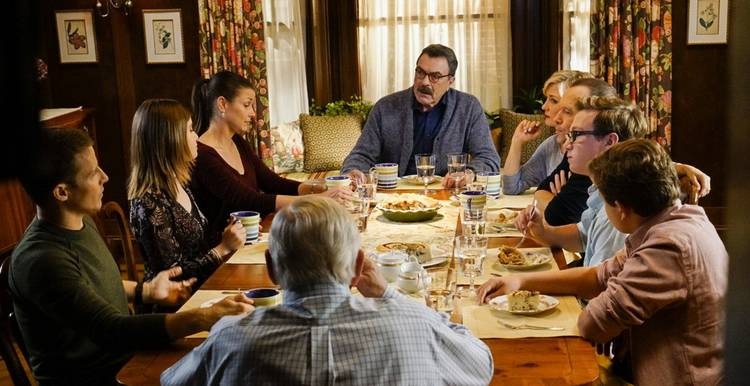
Secret #3 — The Seating Chart Is Carefully Planned
You might think seating is random. It isn’t.
Where each character sits shapes power dynamics. The head of the table carries authority. Side placements suggest alliances or generational gaps.
The blocking is storytelling without words.
Secret #4 — Dialogue Is Looser Than You Think
Here’s something surprising: actors are sometimes encouraged to talk over each other.
Real families interrupt. They laugh mid-sentence. Conversations overlap.
That natural chaos is intentional. It makes the scene feel lived-in rather than scripted.
Secret #5 — The Actors Built Real Family Chemistry
Over many seasons, the cast formed genuine bonds.
That authenticity shows on screen. Small gestures — passing bread, eye contact, teasing — can’t be faked easily.
Actors like Tom Selleck often set the tone, bringing a calm authority that mirrors his character’s leadership.
Secret #6 — Continuity Is a Nightmare
Every bite, sip, and utensil movement must match between takes.
If someone lifts a fork in one shot, it must be lifted at the same moment later. That requires meticulous tracking by the crew.
It’s one of the hardest continuity challenges on television.
Secret #7 — The Scene Serves as the Show’s Moral Debate Stage
The dinner table isn’t just family time. It’s where the show explores big questions:
-
Law vs. justice
-
Tradition vs. change
-
Duty vs. personal life
Characters clash respectfully — something viewers rarely see in modern TV debates.
The Cast Members Who Shape the Dinner Dynamic
The Patriarch’s Presence
Tom Selleck anchors the table with quiet authority, making debates feel grounded rather than chaotic.
The Emotional Bridge
Donnie Wahlberg brings intensity and vulnerability, often driving the emotional peaks of dinner conversations.
The Voice of Balance
Bridget Moynahan frequently represents the professional perspective, blending family loyalty with legal reasoning.
The Next Generation
Will Estes embodies the evolving mindset of modern policing, adding generational tension.
Why Fans Connect So Deeply
Let’s be honest — most viewers aren’t tuning in for tactical police details alone.
They’re watching relationships.
The dinner table reflects real life: disagreement without disconnection. Conflict without collapse. Love without perfection.
That’s rare storytelling.
The Production Tricks That Make It Feel Real
Lighting That Mimics Home
Soft lighting avoids the polished studio look. It feels like evening at home rather than a set.
Camera Movement That Feels Invisible
Cameras drift rather than cut sharply, giving conversations a natural flow.
Background Noise Matters
Clinking glasses. Chair movement. Quiet laughs. Those tiny sounds sell authenticity.
How Sunday Dinner Became a Cultural Symbol
Over time, the scene turned into something bigger than the show.
Fans discuss the debates online. Families compare their own dinners. Critics highlight it as one of TV’s best ensemble setups.
It became comfort television without losing tension.
The Challenges Actors Rarely Talk About
Filming seated scenes sounds easy — but it’s physically demanding.
-
Maintaining posture for hours
-
Repeating emotional beats
-
Eating strategically
-
Timing reactions perfectly
It’s acting in micro-expressions.
The Evolution of the Dinner Scene Across Seasons
Early seasons focused on establishing family identity.
Later seasons leaned into ideological clashes — policing reform, generational differences, and personal sacrifice.
The table grew with the audience.
What Makes the Reagan Dinner Unique in Television
Many shows feature family meals. Few make them the narrative centerpiece.
The difference lies in consistency. Every episode returns to the table like a heartbeat.
Predictable structure, unpredictable conversation.
Will the Sunday Dinner Tradition Continue?
As long as the show exists, fans expect that table.
It’s not just a scene anymore — it’s a promise.
Remove it, and the show loses its emotional anchor.
Conclusion: The Real Magic Happens Between the Lines
The Sunday dinner scenes in Blue Bloods prove something powerful: spectacle isn’t everything.
Sometimes the most compelling drama happens around a table with shared food and conflicting ideas.
Those scenes work because they feel human. Messy. Warm. Honest.
Behind the cameras, they require precision, patience, and trust. On screen, they feel effortless.
That’s television magic.