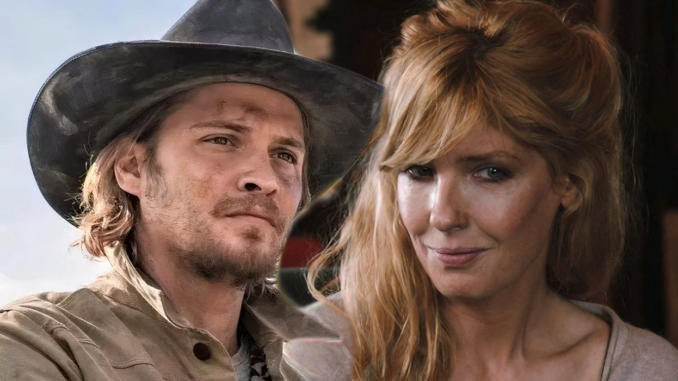
Few television characters inspire as much devotion — or backlash — as Beth Dutton. To her fans, she is fearless, brilliant, and unapologetically powerful in a world that punishes women for exactly those traits. To her critics, she is emotional chaos personified, leaving destruction wherever she goes.
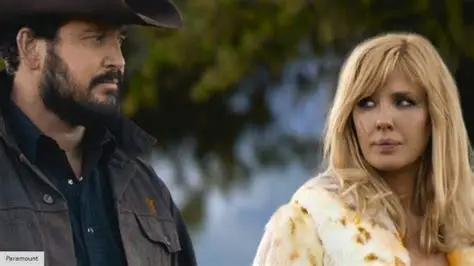
Beth’s defenders argue that her volatility is the point. She exists in a system built by violent men, and she survives by becoming sharper, louder, and more brutal than any of them. Her trauma isn’t a weakness — it’s the engine driving her survival.
But others see Beth as Yellowstone’s most troubling contradiction. While the show frames her as empowering, her behavior often reinforces harmful patterns: glorifying emotional abuse, celebrating cruelty, and excusing personal destruction as strength. Her pain becomes justification, not something to heal from.
The controversy deepens in her relationship with Rip. What is presented as epic love often resembles mutual damage locked in romantic language. Is Yellowstone telling a love story — or normalizing dysfunction because it looks dramatic?
Beth Dutton may be iconic, but whether she represents empowerment or exploitation remains one of the show’s most explosive debates.