
How ‘The Madison’ Is Much Different From ‘Yellowstone’ & Other Taylor Sheridan Shows
Television creator Taylor Sheridan has built a reputation for crafting intense, gritty dramas set against sweeping American landscapes. Shows like Yellowstone, 1883, and 1923 transformed the modern Western into a cultural phenomenon. These stories are packed with power struggles, land battles, and morally complex characters who often live by their own rules.
But a new chapter in Sheridan’s storytelling is emerging: The Madison. At first glance, it seems connected to the same creative universe. Yet when you look closer, you’ll notice something striking — the tone, themes, and storytelling approach are quite different.
So what exactly makes The Madison stand apart from Yellowstone and Sheridan’s other shows?
Let’s dig in.
Understanding Taylor Sheridan’s Signature Style
Before we explore the differences, it helps to understand the formula that made Sheridan’s earlier series so successful.
Sheridan built his reputation on stories that blend rugged landscapes with raw human drama. His shows often feature:
-
Fierce family loyalty
-
Brutal conflicts over land and power
-
Anti-hero protagonists
-
A modern Western aesthetic
Think of his storytelling like a thunderstorm rolling over a mountain range — dramatic, loud, and impossible to ignore.
But The Madison? It feels more like the quiet aftermath of that storm.
What Is ‘The Madison’ About?
At its core, The Madison focuses on grief, family, and personal healing.
Rather than following ranch dynasties fighting for territory, the series centers on a family dealing with loss while navigating life in Montana. The story unfolds through emotional moments rather than violent confrontations.
It’s less about power and more about perspective.
And that’s a major shift.
The Biggest Difference — Tone
‘Yellowstone’ Thrives on Conflict
If you’ve watched Yellowstone, you know the show runs on tension. Rival families, corrupt developers, political battles — conflict drives nearly every episode.
Characters make brutal decisions. Betrayals happen often. The stakes are enormous.
It’s essentially a high-stakes chess match played across the American West.
‘The Madison’ Focuses on Emotional Intimacy
In contrast, The Madison slows things down.
Instead of explosive confrontations, the drama comes from quieter struggles: grief, identity, and family relationships.
It asks deeper questions:
-
How do people rebuild after tragedy?
-
Can a family truly heal?
-
What does “home” mean when everything changes?
These themes create a softer, more reflective narrative style.
A Shift From Power Struggles to Personal Journeys
Sheridan’s earlier shows revolve around protecting land or legacy.
For example:
-
Ranch empires in Yellowstone
-
Frontier survival in 1883
-
Economic hardship and family endurance in 1923
The characters fight external enemies.
But in The Madison, the real battle happens internally.
The characters aren’t defending territory. They’re confronting their own emotions.
That difference changes everything.
The Setting Still Matters — But in a New Way
Landscape as a Battlefield in Yellowstone
In Yellowstone, Montana’s sweeping plains act like a battleground. Every acre of land has value, and every rival wants a piece of it.
The scenery feels powerful and dangerous.
Landscape as Healing in The Madison
In The Madison, the same landscapes take on a calmer role.
The mountains, rivers, and open skies become places of reflection rather than war zones.
Nature isn’t something to conquer — it’s something that helps the characters recover.
Think of it as the difference between a battlefield and a sanctuary.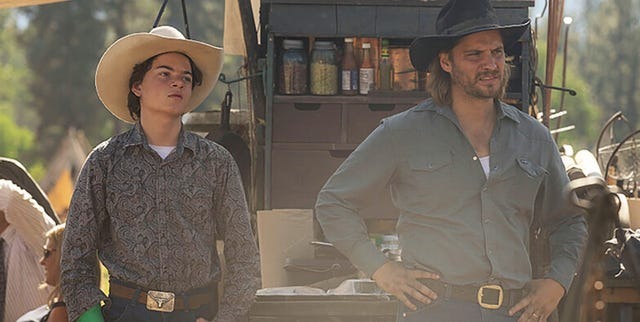
A Different Type of Protagonist
Sheridan’s Classic Anti-Heroes
Sheridan often writes characters who exist in moral gray areas.
John Dutton in Yellowstone is a perfect example. He protects his family ranch at any cost, even when those actions blur the line between right and wrong.
These characters feel powerful but dangerous.
The Madison’s More Vulnerable Characters
In The Madison, the characters are less intimidating and more relatable.
They struggle with:
-
Loss
-
Family tensions
-
Personal growth
Instead of dominating their world, they’re trying to understand it.
That vulnerability makes the series emotionally different from Sheridan’s previous work.
Storytelling Pace — Fast vs Reflective
Yellowstone’s Fast-Moving Drama
Episodes of Yellowstone often feel like roller coasters.
Plot twists, betrayals, and shocking moments keep the adrenaline pumping.
You rarely get time to breathe.
The Madison’s Slow Burn
The Madison takes a more patient approach.
The storytelling unfolds gradually, focusing on conversations, memories, and personal realizations.
It’s closer to a character study than a high-octane drama.
Some viewers might find this refreshing — others might find it surprising.
Themes That Set The Madison Apart
Let’s break down the thematic differences more clearly.
Major Themes in Yellowstone
-
Power
-
Legacy
-
Land ownership
-
Political influence
-
Family loyalty
Major Themes in The Madison
-
Grief and healing
-
Family relationships
-
Identity after loss
-
Emotional resilience
-
Finding peace in nature
The shift from dominance to healing is one of the most noticeable changes.
A Broader Emotional Palette
Sheridan’s earlier series often lean toward anger, ambition, and survival.
But The Madison introduces more emotional nuance.
You’ll see characters experiencing:
-
Reflection
-
Regret
-
Forgiveness
-
Growth
It’s storytelling that invites the audience to feel rather than simply react.
Why Taylor Sheridan Might Be Changing Direction
Great storytellers evolve.
After building an empire of Western dramas, Sheridan may be exploring new territory.
Why?
A few possibilities:
-
Creative evolution — writers often want new challenges.
-
Audience expectations — fans may want deeper emotional stories.
-
Expanding the universe — different tones keep a franchise fresh.
Instead of repeating the same formula, The Madison pushes the boundaries of Sheridan’s style.
How Fans of Yellowstone Might React
The fan reaction could go two ways.
Fans Who Will Love It
Viewers who appreciate character-driven stories may find The Madison incredibly compelling.
If you enjoy emotional storytelling and introspective drama, this series could feel refreshing.
Fans Who Might Be Surprised
Those expecting another action-packed ranch war might be caught off guard.
But that surprise could ultimately be a good thing.
After all, the best TV often comes from taking risks.
The Madison Could Expand the Sheridan Universe
Rather than replacing Yellowstone, The Madison might broaden what Sheridan’s storytelling universe can be.
Think of it like music.
A rock band doesn’t only release loud anthems — sometimes they produce acoustic ballads that reveal a different side of their artistry.
The Madison could be Sheridan’s emotional ballad.
What This Means for the Future of Western TV
Sheridan helped revive the modern Western genre.
But The Madison hints at something new — a Western that explores emotional landscapes rather than physical ones.
If successful, it could influence future shows to explore deeper, quieter stories within the genre.
And that could reshape Western storytelling on television.
Conclusion
At first glance, The Madison appears to be another entry in the world created by Taylor Sheridan. But look closer, and you’ll see it represents a meaningful shift.
Where Yellowstone thrives on power struggles and explosive conflict, The Madison focuses on grief, healing, and emotional connection. It replaces the roar of battle with the quiet echo of personal reflection.
That difference may surprise longtime fans — but it also shows Sheridan’s willingness to grow as a storyteller.
Sometimes the most powerful stories aren’t about conquering land.
They’re about finding peace within it.