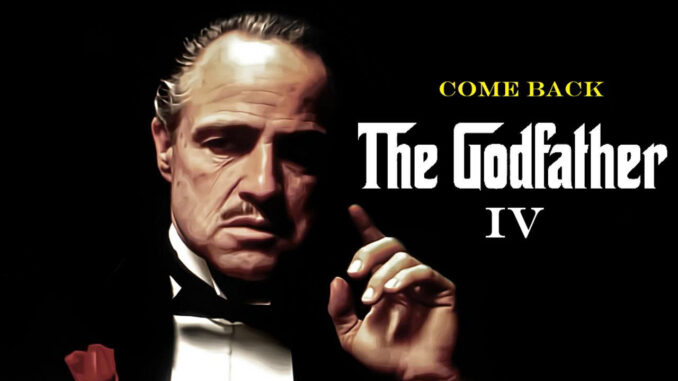
When audiences think of The Godfather, they remember power, silence, and unforgettable lines. But behind the camera, the making of this cinematic masterpiece was anything but controlled. It was a battlefield of egos, risks, and near-disaster decisions that almost destroyed the film before it became legendary.
At the center of it all was Francis Ford Coppola—a young, relatively unproven director at the time. The studio didn’t trust him. In fact, they nearly fired him multiple times during production. Executives wanted a flashy gangster movie. Coppola wanted something darker, slower, and deeply human. Every day on set felt like a test of survival.
Then came the casting war.
Marlon Brando, now forever known as Don Vito Corleone, wasn’t the studio’s first choice—far from it. He was seen as difficult, unreliable, and past his prime. To even be considered, Brando had to do a screen test—something almost unheard of for a star of his stature. That test, with cotton stuffed in his cheeks and a quiet, menacing voice, changed film history forever.
And then there was Al Pacino.
At the time, Pacino was virtually unknown. The studio pushed for bigger names, but Coppola fought relentlessly for him. Many executives believed Pacino lacked the presence to carry a lead role. Ironically, it was that very quiet intensity that transformed Michael Corleone into one of the most iconic characters ever put on screen.
But the tension didn’t stop there. 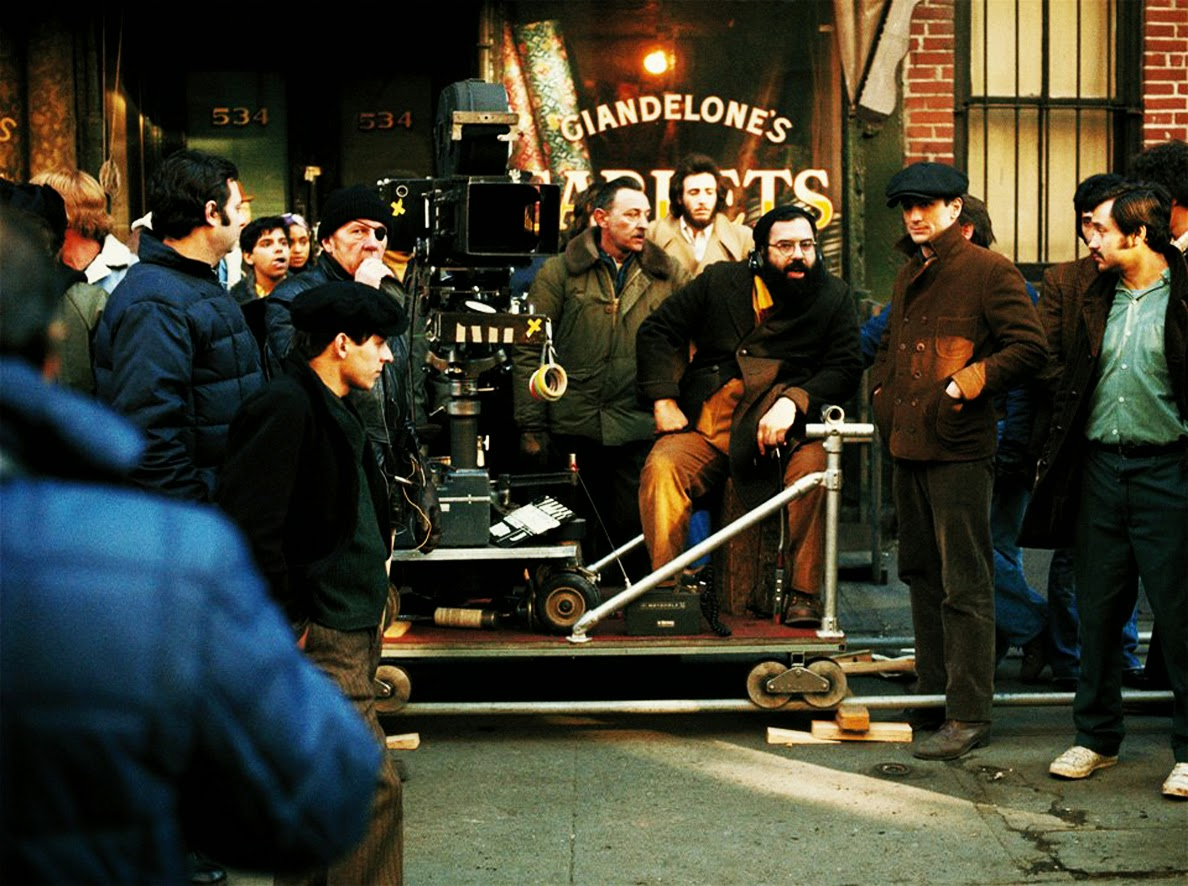
The production was under constant pressure from real-life influences. The Italian-American Civil Rights League objected to the portrayal of Italian-Americans, forcing the filmmakers to remove the word “mafia” from the script entirely. At the same time, rumors circulated about real organized crime figures keeping a close eye on the production—blurring the line between fiction and reality in unsettling ways.
Even the film’s signature look—those dark, shadowy scenes—was controversial. Cinematographer Gordon Willis deliberately underlit scenes to create a moody, almost suffocating atmosphere. Studio executives panicked, fearing audiences wouldn’t be able to see what was happening. Today, that very darkness is considered revolutionary.
Despite all the chaos, resistance, and uncertainty, something extraordinary happened.
The tension didn’t break the film—it shaped it.
Every argument, every risk, every near-firing became part of the DNA of The Godfather. What emerged wasn’t just a movie, but a masterpiece forged under pressure—a film that redefined storytelling and set a new standard for cinema forever.
Because sometimes, greatness doesn’t come from perfect conditions…
It comes from surviving the storm behind the scenes.