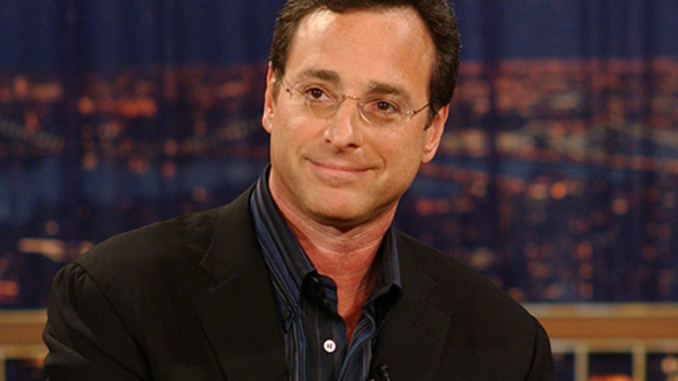
Bob Saget’s portrayal of Danny Tanner made him synonymous with gentle parenting and heartfelt life lessons. Yet off-screen, Saget cultivated a radically different comedic persona—one that challenged audiences to reconcile the wholesome father figure with a sharp, often explicit stand-up style.
During Full House, Saget embodied stability. Danny Tanner was the emotional core of the series, guiding his family through grief and growth. For many viewers, Saget became a symbol of kindness and moral clarity. This image stood in stark contrast to his stand-up comedy, which leaned heavily into dark, irreverent humor.
The contrast was initially jarring for fans discovering Saget’s comedy after the show ended. Some felt betrayed, while others admired his range. Saget himself embraced the dichotomy, often joking about the confusion it caused. He viewed comedy as a space for honesty rather than comfort, separate from his work in family television.
In later years, Saget reflected more openly on the emotional toll of maintaining such contrasting identities. Balancing public expectations with artistic freedom proved challenging, particularly as social media amplified audience reactions. Despite this, he remained deeply connected to the Full House cast, often describing them as extended family.
His return in Fuller House was met with affection and renewed appreciation. Older and wiser, Saget’s Danny Tanner carried a subtle gravity shaped by real-world loss and experience. Fans noted a deeper emotional resonance in his performance, suggesting that time had bridged the gap between Saget’s comedic extremes.
Following his passing, tributes emphasized not only his humor but his generosity and mentorship. Castmates highlighted his role as a unifying force, both on and off set. The public reevaluated his legacy, recognizing that his seemingly conflicting personas reflected a single, complex individual.
Saget’s story challenges simplistic narratives about celebrity identity. He proved that an actor can be both comforting and confrontational, gentle and provocative. In doing so, he expanded the meaning of legacy within television history—one that honors contradiction rather than erasing it.