The Cosby Show and the Wave of Boycotts: How Public Opinion Has Changed
Introduction: From Cultural Phenomenon to Controversy
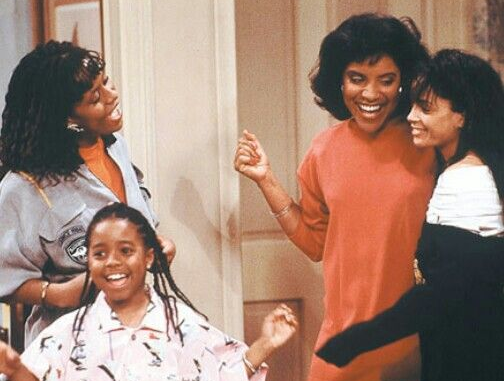
For decades, The Cosby Show stood as one of the most influential sitcoms in television history. It reshaped representations of Black families on screen and became a symbol of warmth, humor, and success.
However, in the wake of serious allegations surrounding Bill Cosby, the show’s legacy has been deeply reevaluated. What was once universally celebrated is now the subject of ongoing debate, boycotts, and cultural reflection.
The Golden Era: A Landmark in Television History
When The Cosby Show premiered in 1984, it quickly became a cultural milestone.
It was praised for:
- Portraying an upper-middle-class Black family in a positive light
- Blending humor with meaningful life lessons
- Achieving massive ratings and mainstream appeal
For many viewers, the Huxtable family represented progress and possibility, making the show a cornerstone of American television.
The Turning Point: Allegations and Public Shock
Public opinion began to shift dramatically as allegations against Bill Cosby gained widespread attention in the 2010s.
This moment marked a clear divide:
- Fans struggled to reconcile the beloved on-screen father with real-world accusations
- Media coverage intensified scrutiny of Cosby’s legacy
- The show became inseparable from the controversy surrounding its star
The shift was not immediate, but it was profound and irreversible.
The Rise of Boycotts and Network Responses
As public awareness grew, networks and streaming platforms began to distance themselves from The Cosby Show.
Key developments included:
- Reruns being pulled from major networks
- Streaming services removing the series from their catalogs
- Public calls to boycott Cosby-related content
These actions reflected both ethical considerations and business decisions, as companies responded to audience sentiment.
Divided Audiences: Nostalgia vs Accountability
Today, public opinion remains deeply divided.
Some viewers argue:
- The show should be appreciated independently of its creator
- Its cultural impact cannot be erased
Others believe:
- Supporting the show indirectly supports its central figure
- Accountability should extend to cultural consumption
This tension highlights a broader cultural debate about separating art from the artist.
The Role of “Cancel Culture” in Shaping Perception
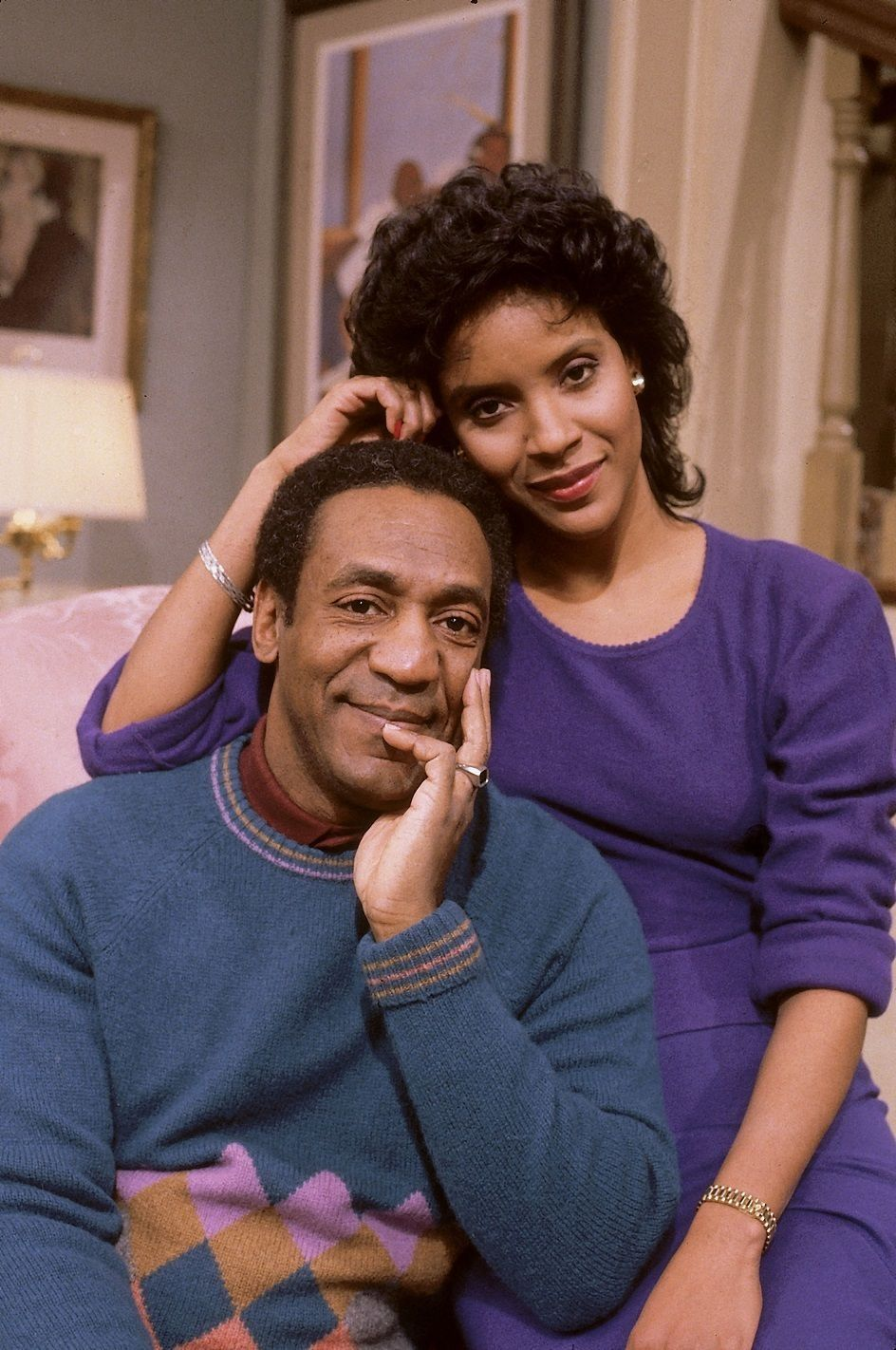
The evolution of public opinion around The Cosby Show is often discussed within the context of cancel culture.
This includes:
- Increased willingness to hold public figures accountable
- Rapid shifts in public sentiment driven by social media
- Ongoing debates about fairness, forgiveness, and consequences
The show’s changing reputation reflects how quickly cultural narratives can evolve in the digital age.
A Broader Cultural Shift: Reexamining Legacy
The reassessment of The Cosby Show is part of a larger trend.
Audiences are increasingly questioning:
- Who we celebrate as cultural icons
- How personal actions impact public legacy
- Whether past achievements should be viewed differently over time
This shift suggests a more critical and reflective approach to media consumption.
Where Things Stand Today
The Cosby Show no longer holds the uncontested status it once did.
Instead, it exists in a complex space:
- Still recognized for its groundbreaking achievements
- Simultaneously overshadowed by controversy
- Frequently debated rather than universally praised
Its legacy is no longer fixed—it continues to evolve with public discourse.
What This Means for Future Generations
For younger audiences, The Cosby Show may not carry the same nostalgia. Instead, it may be encountered through the lens of controversy first.
This raises important questions:
- Can cultural works outlive the reputations of their creators?
- How should history remember influential but problematic figures?
The answers will likely continue to change over time.
Conclusion: A Legacy Rewritten by Public Opinion
The story of The Cosby Show is no longer just about television—it’s about culture, accountability, and the power of public opinion.
What was once a symbol of unity and progress has become a case study in how quickly perception can shift.
Ultimately, the show’s legacy now reflects a deeper, more complicated reality:
Great cultural impact does not exist in isolation—and public opinion has the power to redefine even the most iconic works.