The Gossip That Shook the Ton
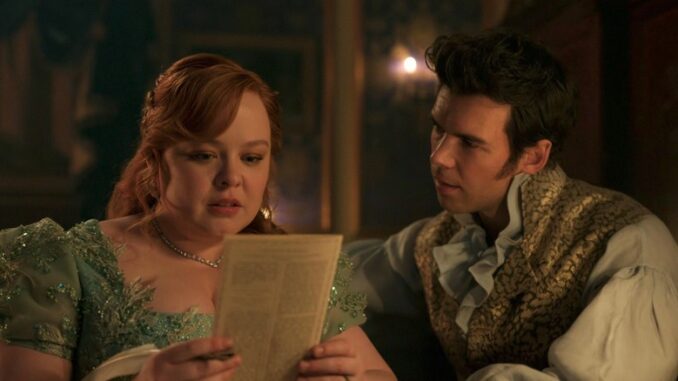
If there’s one thing the world of Bridgerton thrives on, it’s secrets. Hidden romances. Scandalous whispers. Carefully crafted reputations. But nothing has ever rivaled the reveal—and reinvention—of Lady Whistledown.
Season after season, viewers watched the anonymous gossip columnist control society with ink and wit. Then came Season 4… and the rules changed. The question on everyone’s lips now is simple: Who is the new Lady Whistledown?
Let’s break down the twist, the clues, and what it means for the future of the Ton.
A Quick Refresher — Who Was Lady Whistledown?
The Original Power Behind the Pen
For years, Lady Whistledown was the invisible force shaping reputations across London’s elite. Sharp, funny, ruthless. Her pamphlets could launch a romance—or destroy a family overnight.
The shocking truth? The writer was Penelope Featherington.
Why the Reveal Mattered
The reveal wasn’t just a plot twist. It reframed everything:
-
Penelope’s quiet intelligence became power
-
Friendship and betrayal gained new weight
-
Gossip became strategy
And audiences fell even more in love with the character portrayed by Nicola Coughlan.
So why change something that worked?
Because stories evolve.
The Season 4 Twist Explained
Passing the Pen
Season 4 hints that the role of Lady Whistledown is no longer owned by one person. Instead, it becomes… a legacy.
The twist suggests:
-
Someone else is publishing
-
The voice feels slightly different
-
The motives are less personal and more strategic
In other words, Lady Whistledown may have become an institution.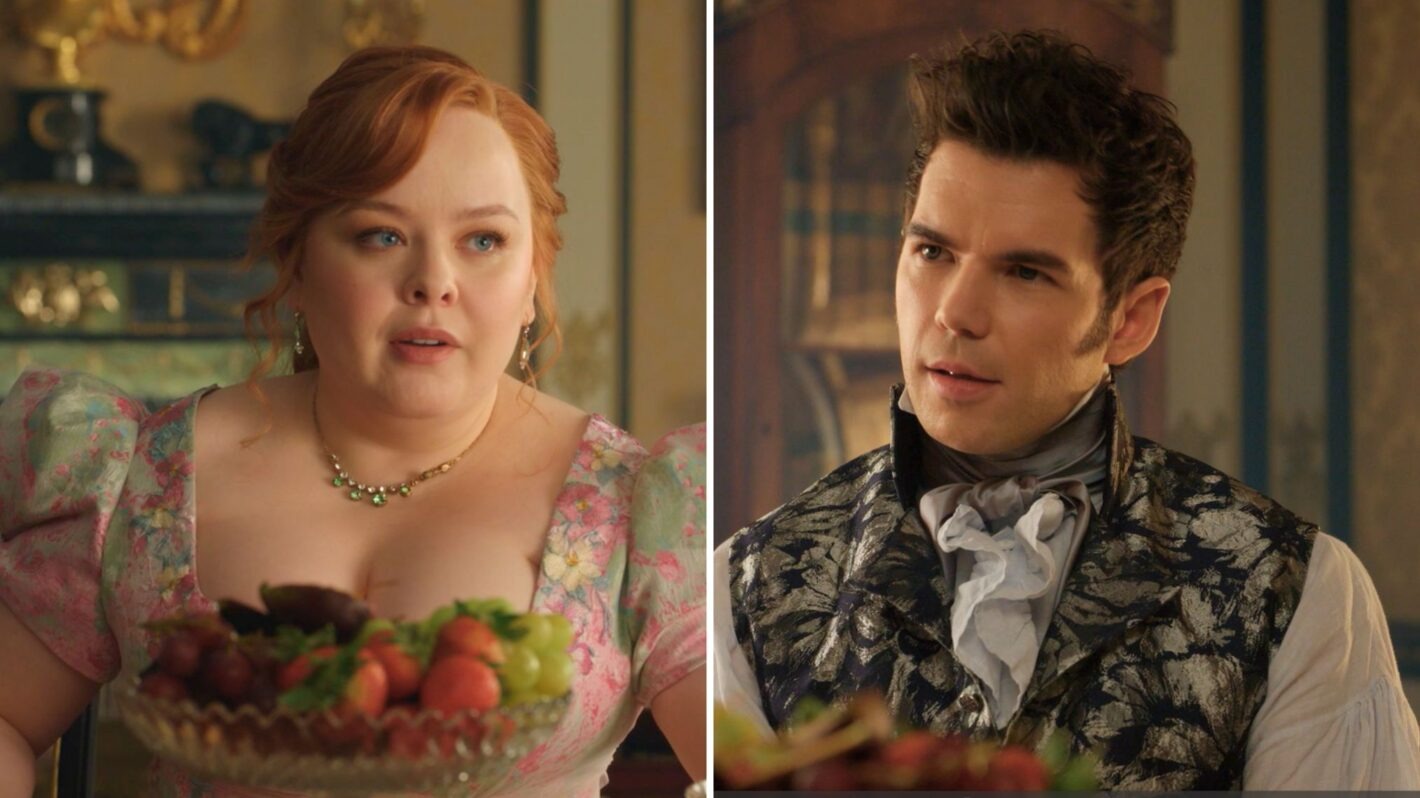
Why This Changes Everything
When gossip shifts from identity to system, power multiplies. It’s no longer about one secretive woman—it’s about influence spreading through the Ton.
And that’s far more dangerous.
The Top Theories About the New Lady Whistledown
Fans love a mystery, and this one is delicious.
Theory 1 — Penelope Is Still Involved
Maybe she didn’t quit. Maybe she evolved.
Instead of writing alone, she could be:
-
Editing
-
Mentoring
-
Controlling narratives from behind the curtain
Think of it like a newspaper editor stepping away from reporting but still steering headlines.
Theory 2 — Eloise Takes Over
This theory has serious weight.
Why?
-
She understands the impact of Whistledown
-
She’s politically curious
-
She loves challenging society
If Penelope represented observation, Eloise would represent revolution.
Theory 3 — A Collective Identity
What if Lady Whistledown is multiple people now?
This would:
-
Protect the secret
-
Increase reach
-
Reflect modern storytelling themes about shared voices
The gossip sheet becomes a network. A movement. Almost like social media before social media existed.
Theory 4 — A Completely New Character
The show loves surprises. A new player stepping into the shadows would create:
-
Fresh conflict
-
Suspicion among familiar faces
-
A new moral tone for the column
Because intent matters. Gossip driven by curiosity feels different from gossip driven by ambition.
Why the Show Needed a New Lady Whistledown
Character Growth
Penelope’s arc reached a turning point. Keeping her stuck as Whistledown forever would limit her emotional journey.
Passing the pen allows her to:
-
Build relationships honestly
-
Step into adulthood
-
Redefine power beyond secrecy
Raising the Stakes
Mysteries reset tension. Viewers start guessing again. Every glance becomes suspicious.
And let’s be honest—that’s half the fun.
Clues Hidden in Season 4
The writers didn’t just drop the twist randomly. They planted breadcrumbs.
Changes in Writing Style
Fans noticed:
-
Sharper political commentary
-
Less personal tone
-
Broader targets
It feels less like one woman venting and more like strategy.
Suspicious Reactions
Certain characters react to Whistledown with curiosity instead of fear. That suggests insider knowledge.
When someone isn’t shocked, they might be involved.
Classic mystery logic.
Themes Behind the Twist
Power and Voice
Who gets to tell society’s story?
That’s the real question. Lady Whistledown represents narrative control. Changing the identity shifts the theme from secrecy to ownership of truth.
Friendship vs Influence
Penelope’s story was personal. A new Whistledown could be political. That tension adds emotional complexity.
Can gossip ever be ethical?
Is exposure justice—or cruelty?
The show loves living in that gray area.
How the Books Compare
The series is inspired by novels from Julia Quinn, but the show frequently expands storylines.
In the books:
-
Whistledown remains strongly tied to Penelope
-
The focus is romantic payoff
The show, however, explores legacy, media, and societal pressure more deeply. The Season 4 twist fits that evolution.
What This Means for Future Seasons
More Suspense
A rotating Whistledown keeps audiences guessing. Every season can introduce a new suspect.
Bigger Conflicts
If Whistledown becomes strategic, it could influence:
-
Marriages
-
Political alliances
-
Social movements
That’s storytelling gold.
Fan Reactions — Shock, Excitement, Debate
The internet exploded after the twist.
Some fans love the evolution. Others worry it dilutes Penelope’s importance. But almost everyone agrees on one thing:
The mystery is fun again.
And in a show built on anticipation, that matters.
Could There Be Multiple Lady Whistledowns at Once?
Honestly? It’s possible.
Imagine:
-
One writer
-
One editor
-
One distributor
A secret newsroom in corsets. It sounds wild… but it fits the show’s tone perfectly.
Why Lady Whistledown Still Matters
Even after the reveal, the column remains the heartbeat of the series. It’s the narrator, the judge, the chaos engine.
Without Whistledown, the Ton would feel quieter. Safer. Less alive.
And who wants that?
The Real Twist Isn’t Identity — It’s Evolution
Here’s the big idea: the twist isn’t just “who.” It’s “what.”
Lady Whistledown transformed from:
-
A secret → A symbol
-
A person → A platform
-
Gossip → Power
That shift opens endless story possibilities.
Conclusion
The question “Who is the new Lady Whistledown?” might not have a simple answer—and that’s exactly why it works.
Season 4 didn’t just reveal a successor. It redefined the role. Whether Penelope still guides the column, whether a friend steps forward, or whether the identity becomes collective, one thing is clear: Whistledown isn’t disappearing anytime soon.
The Ton still needs its mirror. Its critic. Its chaos.
And we’ll all keep reading.