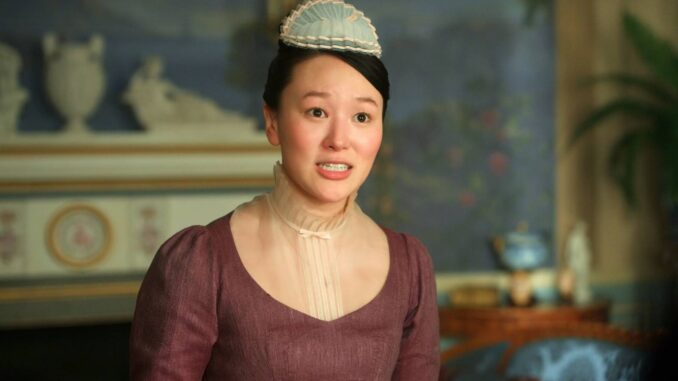
Introduction: Sophie’s Story Is More Than a Cinderella Retelling
When Bridgerton Season 4 introduces Sophie, viewers might expect a familiar rags-to-romance tale. But this isn’t just another Cinderella remix with corsets and candlelight. Sophie’s past is layered, emotionally complex, and deeply rooted in the rigid class system of Regency England.
One phrase changes everything: Sophie was raised as a ward of nobility.
At first glance, it sounds like privilege. Safety. Opportunity. But in Bridgerton, being a ward is a social gray zone—one that quietly shapes Sophie’s identity, her heartbreak, and her complicated place in society.
So what did being a “ward” really mean? And why does it matter so much in Season 4?
Let’s unpack it all.
Understanding the Regency Class System in Bridgerton
Why Social Rank Was Everything
In Regency England, class wasn’t just about money—it was about legitimacy, bloodlines, and perception. You could live in a mansion and still be considered socially invisible if your status didn’t fit neatly into the hierarchy.
That’s the world Sophie grows up in.
The Invisible Ladder of Society
Think of society like a grand staircase:
-
At the top: titled nobility
-
Below them: landed gentry
-
Then: professionals and tradesmen
-
At the bottom: servants and laborers
A ward? A ward doesn’t have a step of their own. They exist between floors, never fully belonging anywhere.
What Does “Ward” Actually Mean in Bridgerton Season 4?
The Legal Definition of a Ward
A ward was a child placed under the guardianship of a noble household—often due to illegitimacy, orphanhood, or scandal. The guardian controlled the ward’s:
-
Education
-
Living arrangements
-
Social exposure
-
Future prospects
But here’s the catch: guardianship did not equal acceptance.
Protected, But Never Claimed
Sophie is fed, educated, and dressed like a lady. But she is never introduced as one.
She’s not a daughter.
She’s not an heir.
She’s not family.
She’s tolerated.
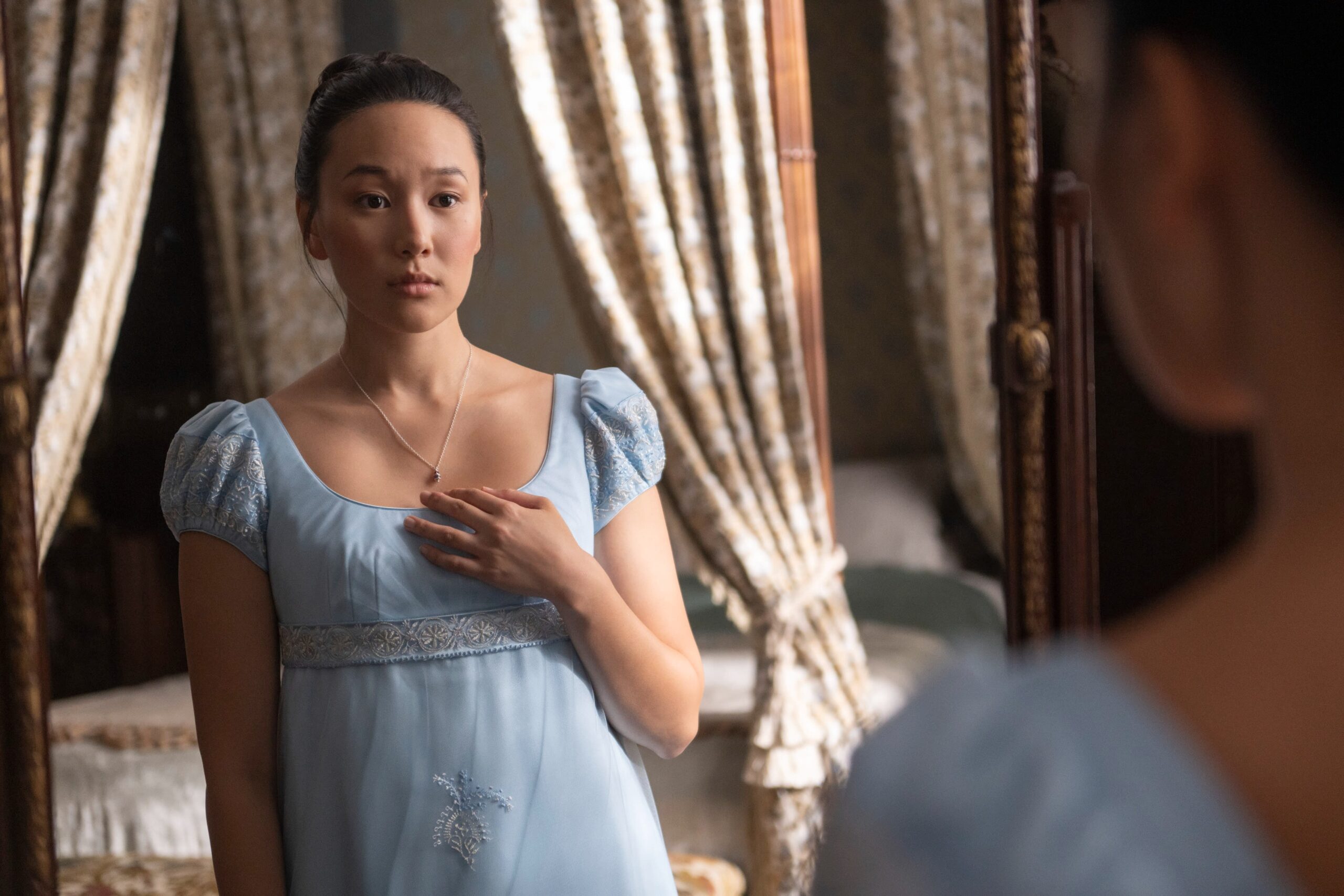 Sophie’s Noble Upbringing: Privilege With Strings Attached
Education Without Entitlement
Sophie learns how to:
-
Read and write fluently
-
Play music
-
Speak with elegance
-
Navigate polite society
From the outside, it looks like luxury. But knowledge without status is dangerous in Bridgerton’s world—it makes Sophie aware of everything she can never claim.
Living in the House, Not Belonging to It
Imagine growing up in a palace where every door is unlocked—but none of them are truly yours.
That’s Sophie’s childhood.
She watches balls from the edge of the room.
She wears fine dresses but sits out the dances.
She’s seen, but never acknowledged.
The Emotional Cost of Being a Ward
Always Grateful, Never Equal
One of the cruelest expectations placed on wards was perpetual gratitude. Sophie is expected to be thankful simply for existing under a noble roof.
Questioning her place? Ungrateful.
Wanting more? Presumptuous.
Falling in love? Unacceptable.
Love Was the Ultimate Transgression
For Sophie, love isn’t just risky—it’s forbidden.
A ward forming romantic ties threatens the social order. It blurs boundaries that society is desperate to keep sharp.
How Sophie’s Status Shapes Her Identity
Too Refined for Servanthood
Sophie isn’t raised as a maid. She doesn’t think like one. She doesn’t move like one. And society notices.
That makes her dangerous.
Too Illegitimate for the Ton
But she also lacks:
-
A family name
-
A dowry
-
Social legitimacy
So the ton keeps her at arm’s length, no matter how perfectly she fits in.
Why Sophie Is Always “In Between”
Belonging Nowhere
Sophie’s tragedy isn’t poverty—it’s liminality.
She exists in the in-between space where:
-
Privilege meets exclusion
-
Education meets erasure
-
Hope meets reality
That tension fuels her choices throughout Season 4.
Sophie and the Cinderella Parallel—With a Darker Edge
Glass Slippers Don’t Fix Class Barriers
Yes, there’s a fairy-tale shimmer to Sophie’s story. But Bridgerton strips away the fantasy ending.
In this world, one magical night doesn’t undo a lifetime of social conditioning.
Freedom Isn’t Granted—It’s Fought For
Sophie doesn’t wait to be rescued. Her growth is about claiming agency, not escaping poverty.
How Being a Ward Shapes Sophie’s Relationship With Love
Why Sophie Hesitates to Dream
Raised to observe, not participate, Sophie learns early that desire leads to disappointment.
Love feels indulgent. Dangerous. Temporary.
Emotional Self-Defense as Survival
Her restraint isn’t coldness—it’s armor.
Bridgerton Season 4: Why Sophie’s Past Matters Now
It Explains Her Strength
Sophie’s resilience isn’t accidental. It’s forged by years of walking a social tightrope without falling.
It Raises the Stakes of Romance
Any romantic connection isn’t just emotional—it’s political. Love threatens to expose the lie that Sophie’s entire upbringing was built on.
What Bridgerton Is Really Saying About Class
Polite Society Thrives on Silence
Sophie’s story exposes how the ton maintains order—not through cruelty alone, but through quiet exclusion.
Kindness Without Equality Is Still Control
Her guardians may not be villains. But their “kindness” comes with limits that define Sophie’s fate.
Why Sophie Is One of Bridgerton’s Most Compelling Heroines
She Knows the Rules—and Breaks Them Anyway
Sophie understands the cost of rebellion. That’s what makes her courage powerful.
Her Arc Reflects Modern Conversations About Belonging
Found family. Chosen identity. Social mobility. Sophie’s journey feels timeless for a reason.
Conclusion: Sophie’s Ward Status Changes Everything
Sophie wasn’t raised poor. She wasn’t raised free either.
Being a ward meant living close enough to taste privilege—but never close enough to claim it. It shaped her restraint, her longing, and her quiet strength.
In Bridgerton Season 4, Sophie’s past isn’t just background detail. It’s the emotional engine of her story.
And once you understand what being a ward really meant, you see Sophie not as a Cinderella—but as something far more powerful:
a woman who learned to survive in a world designed to overlook her.