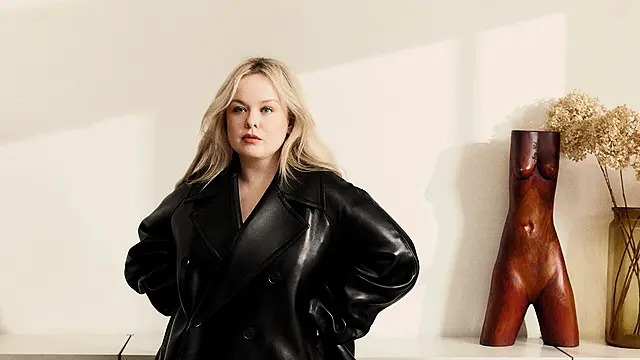
Nicola Coughlan Calls Out Body Shaming: Why the Bridgerton Star’s Response to Weight Loss Comments Matters
Introduction: A Powerful Moment in the Body Positivity Conversation
In the age of social media, celebrities are constantly placed under a microscope. Every appearance, every outfit, and even every perceived change in their bodies becomes fodder for public discussion. Recently, Nicola Coughlan, beloved for her role as Penelope Featherington in the hit Netflix series Bridgerton, found herself at the center of yet another uncomfortable debate: comments about her physique and speculation about weight loss.
But instead of staying silent, Coughlan did something powerful—she spoke out.
Her response wasn’t just a defense of herself. It became a larger statement about body autonomy, toxic beauty standards, and the constant scrutiny women face in the public eye. Let’s unpack why her words matter and how this moment has sparked a broader cultural conversation.
Nicola Coughlan’s Response to Body Criticism
The Comments That Sparked the Conversation
Like many actors in the spotlight, Nicola Coughlan often receives comments about her appearance online. Recently, some social media users began discussing whether she had lost weight, while others critiqued her physique in relation to her character in Bridgerton.
For many celebrities, such remarks are unfortunately routine. But Coughlan made it clear that these discussions cross a line.
She publicly addressed the commentary, explaining that constant speculation about someone’s body—whether positive or negative—is inappropriate.
And honestly, she’s right.
Why should someone’s body be open for public debate simply because they’re famous?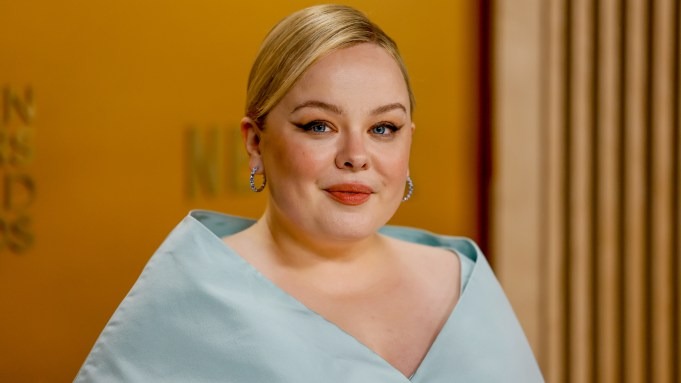
“My Body Is Not Up for Discussion”
Coughlan’s response was simple but powerful. She emphasized that people should stop commenting on her body altogether.
Her point was straightforward: even compliments about weight loss can be harmful.
Why? Because they reinforce the idea that a person’s value or attractiveness is tied to their size.
It’s a subtle but important distinction. Praising someone for losing weight might seem harmless, but it can perpetuate unhealthy expectations.
The Pressure of Being in the Public Eye
Celebrity Culture and Body Scrutiny
Hollywood has long been obsessed with body image.
Actors and actresses often face intense pressure to conform to narrow beauty standards. This pressure is amplified by social media, where millions of users can comment instantly.
For female celebrities especially, body scrutiny is relentless.
One day the internet praises someone’s look. The next day, it criticizes it.
It’s a cycle that never seems to end.
The Double Standard Women Face
Men in Hollywood certainly experience appearance-based commentary, but women face it far more frequently—and far more intensely.
Actresses are routinely asked about their diets, workout routines, or whether they’ve changed their bodies for roles.
Meanwhile, male actors are rarely subjected to the same level of public analysis.
This double standard highlights how deeply ingrained body expectations still are.
Why Nicola Coughlan’s Message Resonates
A Voice for Body Autonomy
Coughlan’s response struck a chord because it reflects a growing movement toward body autonomy.
In simple terms, body autonomy means one thing: your body belongs to you.
No one else has the right to comment on it, analyze it, or judge it.
By speaking out, Coughlan reminded people that even public figures deserve basic respect.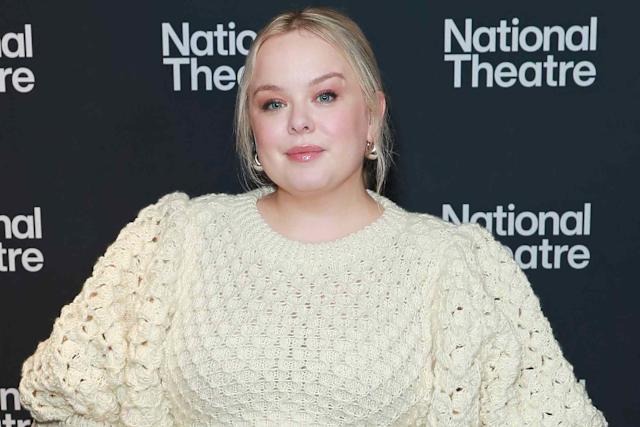
Fans Rally Behind Her
The reaction from fans was overwhelmingly supportive.
Thousands of people shared messages praising Coughlan for calling out toxic commentary.
Many fans pointed out that seeing someone in the spotlight push back against body criticism felt empowering.
It showed that even celebrities are tired of the constant scrutiny.
Bridgerton and the Representation Conversation
Why Penelope Featherington Matters
Nicola Coughlan’s character, Penelope Featherington, has become one of the most beloved figures in Bridgerton.
Part of that appeal comes from representation.
Unlike many traditional romantic leads, Penelope’s story challenges typical beauty standards often seen in period dramas.
Her journey isn’t just about romance—it’s about confidence, self-worth, and growth.
Breaking Stereotypes in Period Dramas
Period dramas historically portray a narrow definition of beauty.
But Bridgerton has been praised for pushing boundaries.
Through diverse casting and layered characters, the show challenges outdated norms.
Coughlan’s portrayal of Penelope plays a key role in that evolution.
The Impact of Social Media Commentary
When Online Conversations Turn Toxic
Social media can be empowering—but it can also be harsh.
A single photo can generate thousands of comments, many of them judgmental.
Celebrities often read these comments, even when they try not to.
Imagine waking up to thousands of strangers discussing your body.
That level of scrutiny would affect anyone.
Why “Positive” Comments Can Still Be Harmful
Here’s the tricky part: not all problematic comments are negative.
Sometimes people say things like:
-
“You look so much better now.”
-
“Have you lost weight? You look amazing!”
While meant as compliments, these statements can reinforce the idea that thinner equals better.
And that’s exactly the mindset Coughlan challenged.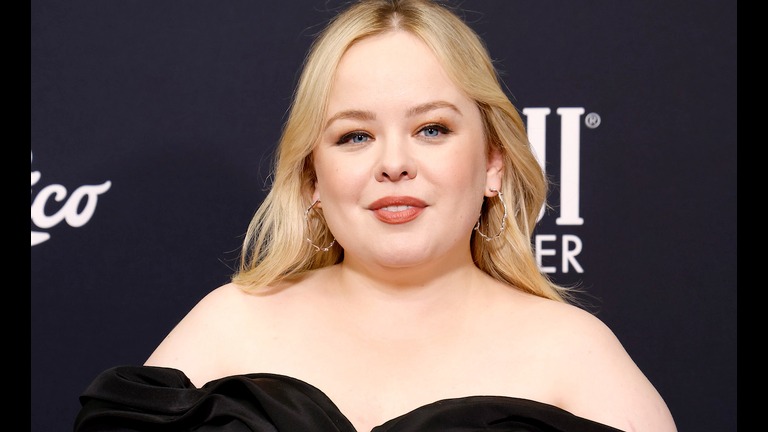
The Growing Body Positivity Movement
A Cultural Shift Is Happening
Over the past decade, the body positivity movement has gained momentum.
More people are pushing back against unrealistic beauty standards.
Brands, influencers, and celebrities are increasingly promoting self-acceptance.
Coughlan’s stance fits perfectly into this cultural shift.
Representation Matters More Than Ever
Seeing diverse body types represented in media helps normalize them.
When audiences see characters who don’t fit traditional molds, it expands what society considers beautiful.
That’s one reason why Coughlan’s presence in Bridgerton is so meaningful.
What We Can Learn From This Moment
Rethinking How We Talk About Bodies
This situation invites a simple question:
Why do we feel the need to comment on someone’s body at all?
Often, it’s habit.
But habits can change.
Choosing not to comment on someone’s appearance is a small step toward a more respectful culture.
Respecting Boundaries Online
The internet can blur boundaries between celebrities and fans.
But being a public figure doesn’t mean giving up personal dignity.
Coughlan’s message reminds us that kindness and respect should apply online just as much as they do offline.
The Bigger Picture
Changing the Conversation Around Beauty
Moments like this matter because they shift the conversation.
Instead of debating someone’s body, we start asking better questions:
-
Why do these standards exist?
-
Who benefits from them?
-
And how can we change them?
It’s a conversation that goes far beyond one actress or one TV show.
Conclusion: Nicola Coughlan’s Stand Is Bigger Than One Comment
Nicola Coughlan’s response to comments about her physique wasn’t just a celebrity clapback—it was a reminder of something fundamental.
No one owes the world an explanation for their body.
In a culture that constantly analyzes appearance, choosing to reject that scrutiny is a powerful act.
By speaking out, Coughlan didn’t just defend herself. She challenged an entire mindset.
And judging by the overwhelming support from fans, many people are ready for that change.