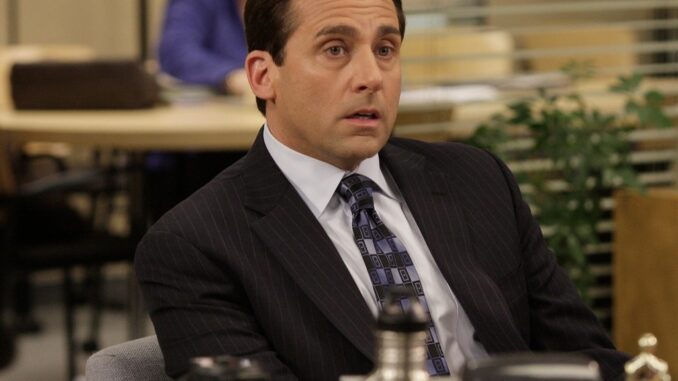
The Office’ Crew Blames NBC for Forcing Steve Carell’s Exit: ‘It Was Absolutely Asinine’
Few TV shows reach legendary status. Even fewer manage to stay culturally relevant decades after their debut. The Office is one of those rare gems. But behind the laughs, awkward silences, and iconic quotes lies a decision many insiders now call one of television’s biggest self-inflicted wounds.
Steve Carell’s departure as Michael Scott didn’t just change The Office—it fundamentally altered its soul. And according to multiple cast and crew members, that exit was not inevitable. It was avoidable. And worse? It was, in their words, “absolutely asinine.”
Let’s unpack what really happened.
The Heart of The Office: Why Steve Carell Mattered So Much
Michael Scott Was the Show’s Emotional Engine
Michael Scott wasn’t just a boss with bad jokes. He was the emotional glue holding The Office together.
Steve Carell transformed what could have been an unbearable character into someone painfully human. Beneath the cringe was vulnerability. Beneath the ego was loneliness. Viewers didn’t just laugh at Michael Scott—they rooted for him.
Take him out, and the balance collapsed.
Steve Carell’s Performance Elevated Everyone Else
Carell had a rare gift: he made everyone around him better.
From Rainn Wilson’s Dwight to John Krasinski’s Jim, scenes sparkled because Carell knew how to give space, react honestly, and commit fully to absurdity. Losing him wasn’t like losing a cast member—it was like pulling the foundation out from under the building.
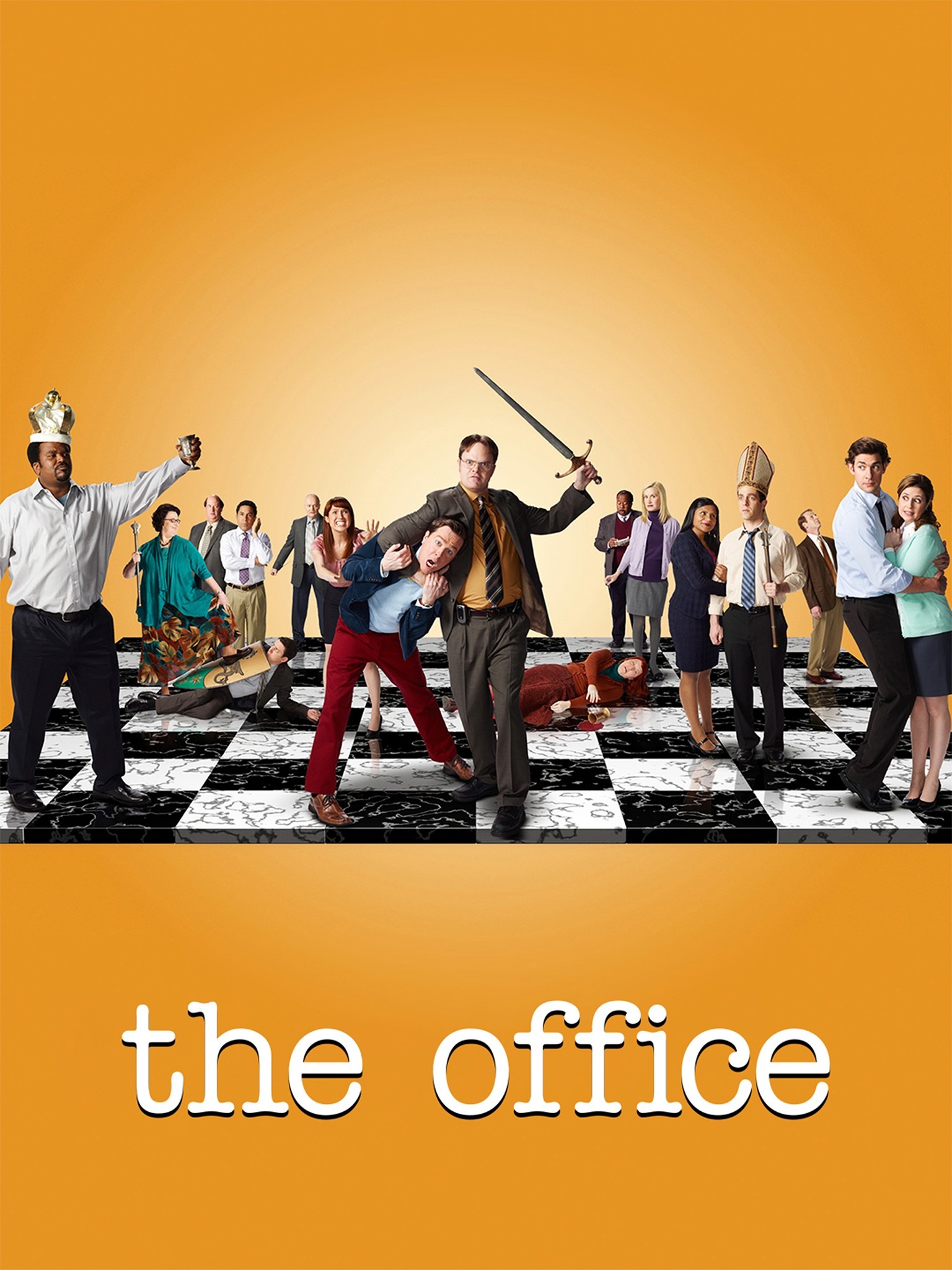
The NBC Decision That Shocked the Cast and Crew
NBC Failed to Renew Steve Carell’s Contract
Here’s the jaw-dropper: Steve Carell didn’t demand an exit.
According to insiders, NBC simply failed to proactively renew his contract. No dramatic negotiations. No ego battle. Just… silence.
Carell has since stated that he was open to staying. But when no offer came, he took it as a signal. A painful one.
“Absolutely Asinine”: Crew Members Don’t Hold Back
Several The Office creatives have since described NBC’s handling of the situation as “absolutely asinine.”
And honestly? That’s putting it kindly.
Imagine having the star of your most successful comedy—an Emmy-winning actor at the peak of his powers—and not locking him down. In Hollywood terms, that’s malpracticWhy NBC’s Logic Didn’t Make Sense
Ratings Were Still Strong
Contrary to popular belief, The Office wasn’t collapsing in the ratings when Carell left.
Sure, viewership had stabilized rather than exploded, but the show remained profitable, culturally dominant, and endlessly rewatchable. NBC wasn’t bleeding money—they were sitting on a gold mine.
Steve Carell Was Still Invested
Carell wasn’t burnt out. He wasn’t bored. He wasn’t chasing an escape hatch.
By all accounts, he loved the show and the cast. He simply assumed NBC would want him back. When they didn’t act, he read the room—and left with dignity.
The Domino Effect: What Happened After Michael Scott Left
Season 8 Struggled to Find Its Identity
Let’s be honest. The Office post-Michael Scott felt… lost.
The writers tried. The cast tried. But replacing Michael Scott was like trying to replace lightning in a bottle.
James Spader’s Robert California was fascinating—but polarizing. The tone shifted. The warmth faded.
Viewers Felt the Loss Immediately
Fans noticed. Instantly.
Social media buzz dipped. Episode discussions became debates instead of celebrations. The magic wasn’t gone—but it was diluted.
Cast Reactions: Loyalty, Frustration, and Regret
John Krasinski and Rainn Wilson Have Spoken Out
Several cast members have since hinted that Steve Carell’s exit felt unnecessary and mishandled.
There’s a recurring theme in interviews: confusion. Why wouldn’t NBC fight harder? Why let the heart of the show walk away without a serious push?
The Cast Didn’t Just Lose a Co-Star—They Lost a Leader
Carell was known as the on-set morale booster. The mentor. The steady presence.
When he left, it wasn’t just Michael Scott clocking out—it was the emotional center of the workplace disappearing.
Behind the Scenes: A Failure of Network Vision
NBC Underestimated The Office’s Long-Term Value
At the time, streaming wasn’t the juggernaut it is today. NBC failed to predict how The Office would become one of the most rewatched, most quoted, most licensed shows in TV history.
Had they known what was coming, locking down Steve Carell would’ve been a no-brainer.
Short-Term Thinking, Long-Term Consequences
Networks often chase the next big thing. NBC did exactly that—at the expense of nurturing what they already had.
The result? A self-inflicted wound that still gets dissected today.
Could The Office Have Continued Successfully With Carell?
Absolutely—and Probably Would Have
Carell didn’t need to stay forever. Even two more seasons could have allowed for a smoother transition.
A planned goodbye. A proper arc. Emotional closure.
Instead, the show had to pivot abruptly—and it showed.
A Graceful Exit Would Have Changed Everything
Imagine Michael Scott slowly stepping back. Mentoring his replacement. Getting a full season-long send-off.
That version of history hurts because it was so achievable.
Why This Decision Still Haunts NBC
The Streaming Boom Changed the Game
Once The Office hit streaming platforms, its value exploded.
Suddenly, NBC realized what they’d lost—not just in storytelling, but in branding, licensing, and cultural relevance.
Steve Carell became even bigger. And The Office became eternal.
A Textbook Case of What Not to Do
Business schools could teach this moment.
When you have a proven star, audience loyalty, and cultural momentum—you protect it. You don’t gamble on complacency.
The Legacy of Steve Carell’s Michael Scott
Still One of TV’s Greatest Characters
Years later, Michael Scott remains iconic.
Quotes. Memes. Reaction gifs. Emotional scenes that still hit hard. Carell’s performance aged like fine wine.
Proof That Comedy Needs Heart
What made Michael Scott unforgettable wasn’t the jokes—it was the vulnerability.
And that’s something no network decision can erase.
Conclusion: A Preventable Goodbye That Changed TV History
Steve Carell didn’t walk away from The Office. He was quietly nudged out by a network that failed to see the bigger picture.
The cast and crew’s frustration is understandable. The loss was unnecessary. The damage was real. And the verdict is clear: NBC’s handling of Steve Carell’s exit wasn’t just a mistake—it was, as insiders put it, “absolutely asinine.”
Still, The Office survives. Thrives, even. But it also stands as a reminder that sometimes, the biggest failures in television aren’t creative—they’re corporate.