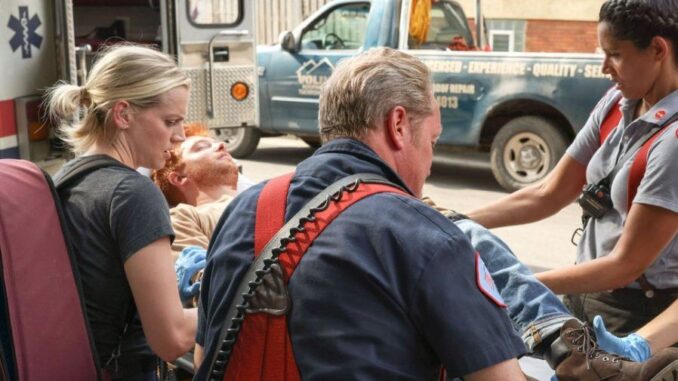
Chicago Fire production assistants vote to unionize, sparking fan debate about what this could mean for future seasons, episodes, and the NBC drama’s tone.
A Behind-the-Scenes Moment That Fans Can’t Ignore
For years, Chicago Fire has thrived on explosive rescues, quiet heroism, and emotional fallout that lingers long after each episode fades to black. Now, a very different kind of moment is drawing attention—not on-screen, but behind the scenes. News that production assistants working on Chicago Fire have voted to unionize has rippled through the fandom, raising questions about how this real-world shift could intersect with the beloved NBC drama’s future.
Fans aren’t just curious; they’re invested. The show has always prided itself on authenticity and teamwork. So when the people helping keep cameras rolling and schedules moving step forward collectively, it feels oddly in sync with the series’ core themes. Is this simply a workplace milestone, or could it subtly influence the Chicago Fire we see in upcoming seasons and episodes?
Context: What This Vote Means—Without the Noise
To be clear, this development isn’t a storyline twist or a plot reveal. It’s a real-world labor decision involving production assistants—the crew members often responsible for the unglamorous but essential tasks that keep a TV show running smoothly day after day.
Unionization votes like this have been appearing across the entertainment industry, especially on long-running TV shows where production schedules are intense and seasons stack back-to-back. For Chicago Fire, now deep into its long tenure on NBC, the vote reflects a broader industry moment rather than a sudden internal crisis.
There’s no indication of disruptions, delays, or creative changes at this time. Still, fans are asking the natural follow-up: when something significant happens behind the scenes, does it ever stay there?
Why This Matters to Fans of Chicago Fire
At first glance, production assistants voting to unionize might sound far removed from Severide’s latest rescue or Boden’s leadership dilemmas. But longtime viewers know that Chicago Fire is built on more than firehouse drama—it’s built on people working together under pressure.
That’s why fans care.
The show’s identity has always centered on solidarity: firefighters relying on one another, paramedics backing each other up, and leaders fighting for their teams. For many viewers, the idea of crew members organizing for better working conditions feels aligned with the values the show portrays every week.
Some fans see it as a reassuring sign that the Chicago Fire family extends beyond the cast. Others are simply curious whether this moment could influence production rhythms, episode pacing, or even how future seasons are shaped.
Key Themes That Stand Out in This Moment
1. Longevity and Evolution
A long-running TV show inevitably changes over time. Cast members come and go, storylines evolve, and production practices adapt. This vote highlights how Chicago Fire isn’t frozen in time—it’s part of a living, changing industry.
2. Labor Awareness in Television
Audiences today are more aware than ever of how TV shows are made. Conversations about working conditions, fair pay, and sustainability aren’t fringe topics anymore. For some fans, this news adds a new layer of respect for the labor behind each episode.
3. Authenticity On and Off Screen
Chicago Fire has earned loyalty by portraying realistic stakes and emotional consequences. Fans who value that authenticity may see this behind-the-scenes development as another piece of the show’s real-world grounding.
Cast, Crew, and the Human Side of the Show
While the vote centers on production assistants, it inevitably prompts fans to think about the entire Chicago Fire ecosystem—from crew to cast. Familiar faces like Taylor Kinney and Jesse Spencer have long been associated with the show’s emotional core, but viewers are increasingly aware that hundreds of unseen professionals contribute to every season and episode.
There’s no indication that cast members were directly involved in this decision, and no official statements suggest creative disagreements. Still, fans often speculate about how a healthier, more supported production environment could translate into stronger storytelling and better on-screen chemistry.
Is that wishful thinking? Maybe. But it’s a hopeful one.
Fan Reactions and Online Buzz: Curiosity Over Chaos
Online conversations so far lean more curious than alarmed. Rather than panic about delays or cancellations, fans seem focused on what this could represent.
Some common fan questions circulating:
-
Could this improve working conditions during long Chicago Fire seasons?
-
Might it affect how many episodes are produced each year?
-
Does this signal broader changes across NBC dramas?
Importantly, these discussions remain speculative. There’s no confirmation that viewers will notice any difference at all when the next episode airs. But speculation thrives in fandoms, especially when it intersects with themes the show already explores—duty, fairness, and standing up for yourself.
What This Could Mean for Future Seasons and Episodes
Looking ahead, the most realistic expectation is also the least dramatic: business as usual. Unionization doesn’t automatically mean delays or creative upheaval. In many cases, it simply formalizes protections and expectations for workers already doing their jobs.
That said, fans are allowed to wonder.
Could a more stable production environment help sustain the show as it moves into future seasons? Might it reduce burnout on a series known for physically and emotionally demanding shoots? Could it even influence how storylines are paced or scheduled?
These are questions without firm answers—but they’re not unreasonable ones.
Rumors, Reality, and Responsible Speculation
It’s worth emphasizing what this news does not mean. There’s no confirmed impact on the cast, no verified changes to episode counts, and no official word suggesting storylines will shift as a result.
Any talk of major creative consequences remains firmly in the realm of fan theory. And for now, that’s where it belongs.
Still, the fact that fans are paying attention speaks volumes about their investment—not just in the characters they love, but in the people who help bring Chicago Fire to life.
Final Thoughts: A Quiet Moment With Big Symbolism
Not every important development in a TV show’s life happens on screen. Sometimes, it unfolds quietly, in production offices and crew meetings, far from dramatic rescues and firehouse banter.
The decision by Chicago Fire production assistants to unionize feels like one of those moments—subtle, significant, and deeply human. Whether it changes anything fans can see remains to be determined. But it has already sparked meaningful conversation about labor, respect, and the unseen work behind a long-running TV show.
So what do you think?
Does this behind-the-scenes vote change how you view Chicago Fire, or is it simply part of the show’s natural evolution as it looks toward future seasons?