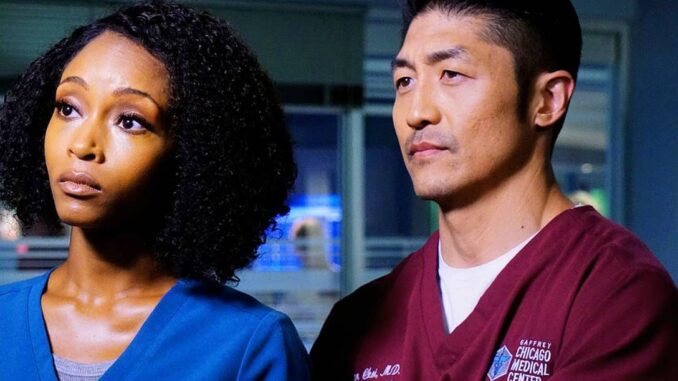
Chicago Med still carries an emotional loose end. Fans believe Dr. Sarah Reese’s return could finally resolve one of the show’s most unfinished storylines.
The One Absence Fans Still Feel in Chicago Med
Long-running TV shows often say goodbye to characters, but only a few exits continue to linger. In Chicago Med, Dr. Sarah Reese is one of those rare cases. Years have passed, seasons have changed, and the cast has evolved — yet fans still ask the same question: What ever happened to Sarah Reese?
Her departure didn’t feel like a conclusion. It felt like a pause. A breath held too long.
As Chicago Med continues to expand its emotional and psychological depth, many fans believe the show needs Dr. Reese back — not necessarily forever, but long enough to finally resolve her unfinished story.
A Quick Recap: Who Was Dr. Sarah Reese in Chicago Med?
Dr. Sarah Reese, portrayed by Rachel DiPillo, entered Chicago Med as a psychiatric resident with raw talent and visible vulnerability. From her very first episodes, Reese stood out.
She wasn’t the confident, fast-talking doctor trope. Instead, she felt real — anxious, empathetic, and constantly questioning herself.
Over several seasons, Chicago Med used Reese to explore:
-
Mental health in high-pressure hospital environments
-
Power dynamics between mentors and trainees
-
Moral gray areas in psychiatric care
Her relationships, particularly with senior staff, shaped her arc in ways that felt deeply human — and increasingly troubling.
Why Dr. Sarah Reese’s Story Still Matters to Fans
An Exit That Felt Abrupt, Not Earned
When Reese left Chicago Med, there was no emotional closure. No redemption arc. No clear sense of growth or healing.
For many fans, her exit felt like:
-
A character running away rather than forward
-
A storyline cut short instead of concluded
-
An emotional thread left hanging in an otherwise carefully written TV show
That kind of ending stays with viewers — especially in a series built on emotional realism.
Reese Represented a Different Kind of Strength
Unlike many characters in Chicago Med, Reese didn’t dominate rooms. She struggled. She doubted. She internalized.
And that’s exactly why fans connected with her.
In a cast full of strong personalities, Reese represented:
-
Quiet resilience
-
Emotional intelligence
-
The cost of caring too much
Her storyline wasn’t just about medicine — it was about survival.
Key Themes in Reese’s Arc That Still Feel Unfinished
Trauma Without Resolution
Chicago Med explored Reese’s exposure to psychological trauma, but never showed the aftermath in full.
Fans were left wondering:
-
Did she heal?
-
Did she continue practicing medicine?
-
Did she ever confront the damage done to her confidence?
In a show that often emphasizes accountability and growth, Reese’s unresolved trauma feels out of place.
Moral Injury in Medicine
Reese’s story touched on a powerful theme rarely resolved on TV: moral injury — when a person’s values are compromised by authority or circumstance.
Chicago Med hinted at this, then moved on.
A return could finally ask:
-
What happens after the breaking point?
-
Can a doctor reclaim their sense of self?
-
Is walking away always failure — or sometimes survival?
Fan Reactions and Online Buzz: Why Reese Keeps Coming Up
Across fan forums and social media, Reese’s name still appears regularly — especially when Chicago Med introduces new psychiatric storylines.
Some recurring fan theories include:
-
Reese returning as a more confident, independent psychiatrist
-
Reese working at another hospital and crossing paths with old colleagues
-
Reese returning not for drama, but for closure
Importantly, these are fan theories and speculation, not confirmed rumors. But the consistency of the conversation speaks volumes.
Fans don’t just miss Reese.
They feel her story was interrupted.
How Dr. Reese’s Return Could Strengthen Future Seasons
A Short Arc Could Have Big Impact
Chicago Med doesn’t need to bring Reese back full-time. Even a limited arc — three or four episodes — could:
-
Resolve emotional loose ends
-
Offer character-driven storytelling
-
Deepen the show’s psychological themes
This approach would honor longtime fans without disrupting the current cast balance.
Natural Connections to Current Storylines
Mental health remains central to Chicago Med. Reese’s perspective — shaped by past trauma — could add depth to current season conflicts.
Her return could explore:
-
How doctors evolve after leaving toxic environments
-
The long-term impact of mentorship gone wrong
-
Healing without erasing the past
These themes align perfectly with where the TV show is now.
Would a Reese Return Change the Tone of Chicago Med?
Not dramatically — and that’s the point.
Chicago Med has matured. It now leans more into emotional consequences than shock value. Reese’s story fits that evolution.
Her presence wouldn’t create chaos.
It would create reflection.
A chance for characters — and viewers — to look back and ask hard questions.
The Cast Factor: Why Timing Matters
As Chicago Med’s cast continues to rotate, the show has shown it’s open to revisiting legacy characters when the story calls for it.
A Reese return wouldn’t feel forced if:
-
It’s rooted in character growth
-
It avoids rewriting history
-
It respects her original exit
Fans don’t want nostalgia.
They want resolution.
Final Thoughts: Does Chicago Med Owe Reese — and the Fans — an Ending?
Chicago Med has never been afraid of difficult topics. It thrives when it slows down and lets emotional truths breathe.
Dr. Sarah Reese represents one of the show’s most human, unresolved arcs. Bringing her back wouldn’t just satisfy fans — it would complete a story that deserves an ending shaped by growth, not silence.
And maybe that’s the real question Chicago Med needs to answer:
Is it time to finally let Dr. Sarah Reese finish the story she never got to tell?
What do you think — should Chicago Med bring her back, even briefly, or is her unfinished ending part of what makes her story so haunting?