
When Chicago P.D. lost Sophia Bush after Season 4, it wasn’t just saying goodbye to Erin Lindsay — it was closing the door on an era. At the time, fans believed the show could absorb the loss of a single character. In hindsight, Bush’s departure quietly marked the beginning of something far bigger: Chicago P.D.’s now-infamous revolving door of cast changes.
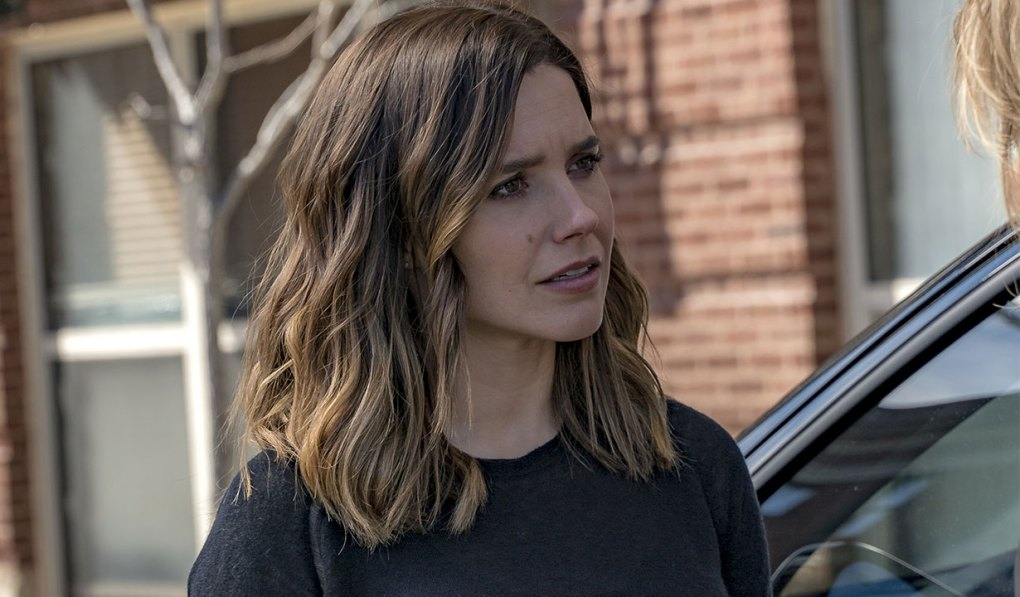
Erin Lindsay wasn’t just another detective in the Intelligence Unit. She was emotional grounding, moral counterweight, and one of the few characters who could openly challenge Hank Voight without flinching. Her history with Voight, her trauma, and her complicated loyalty gave the show a human tension that felt organic rather than procedural. When Lindsay left Chicago behind, the series lost more than a fan favorite — it lost a stabilizing force.
Sophia Bush’s exit hit viewers hard, but the real impact revealed itself in the seasons that followed. Almost immediately, Chicago P.D. began experimenting with its lineup, introducing new faces to fill the void while quietly reshaping the team’s dynamics. Enter Tracy Spiridakos as Hailey Upton — a character who would eventually become one of the show’s most polarizing yet essential figures.
Upton wasn’t designed to replace Erin Lindsay — and that distinction matters. Where Lindsay was emotionally driven and openly conflicted, Upton arrived colder, sharper, and more controlled. Her presence signaled a tonal shift for the series. The Intelligence Unit felt less like a family and more like a pressure chamber, where alliances were fragile and trust came with conditions. For some fans, that evolution was refreshing. For others, it marked the moment the show began to feel different — darker, more isolated, and emotionally harsher.
What followed Lindsay’s exit was a pattern that longtime viewers quickly noticed. Characters came in, made an impact, and then quietly disappeared. Some departures were dramatic, others abrupt, but together they created a sense of instability that became part of the show’s identity. Chicago P.D. stopped promising permanence. No one felt untouchable anymore — and that uncertainty became both its strength and its weakness.
Tracy Spiridakos’ rise within the series proved that the show could survive major losses, but it also confirmed that Chicago P.D. would never return to its early-season balance. The revolving door wasn’t accidental — it reflected a series increasingly interested in exploring burnout, moral erosion, and the personal cost of staying in Intelligence for too long. In a way, the cast changes mirrored the story itself: this job breaks people, and eventually, everyone pays a price.
Looking back, Sophia Bush’s departure feels less like an isolated event and more like a domino that started it all. Erin Lindsay leaving wasn’t just a character exit — it was the moment Chicago P.D. chose evolution over comfort. Whether fans loved or hated that choice, one thing is undeniable: after Season 4, the show entered a new chapter — one defined by change, risk, and the understanding that in Chicago, nothing lasts forever.