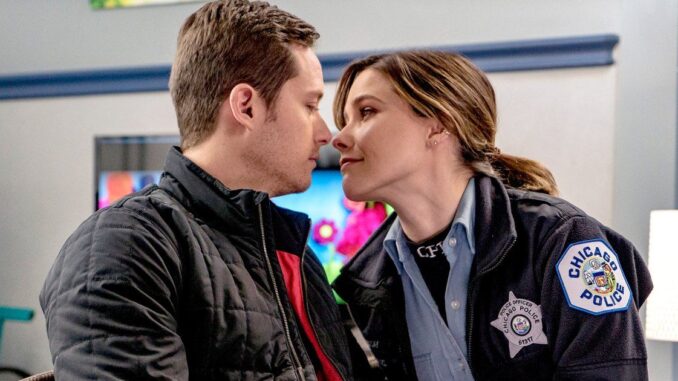
Chicago P.D. Season 13, Episode 9 brings Trudy Platt back into focus, reminding fans why her presence still matters to the heart of the show.
When Chicago P.D. Feels Like It Comes Home Again
Some episodes of Chicago P.D. don’t rely on explosions, shocking twists, or cliffhangers to make an impact. Instead, they hit fans somewhere deeper — in memory, loyalty, and emotion. Season 13, Episode 9 is one of those episodes. From the moment Trudy Platt steps back into the spotlight, there’s a quiet but powerful sense of recognition: we’ve missed this.
For longtime fans, this episode feels less like a routine chapter in another season and more like a reminder of what Chicago P.D. does best — grounding high-stakes police drama in characters who feel real, familiar, and earned. And at the center of that feeling is Trudy Platt, a character whose presence has always balanced grit with heart.
Quick Recap Without Spoilers: Setting the Tone of Season 13, Episode 9
Season 13 has already established a slightly more reflective tone for the series. Episode 9 continues that trend without slowing the show’s momentum. The case-of-the-week framework is there, but it never overwhelms the character-driven moments.
Rather than pushing a massive plot twist, the episode leans into atmosphere and relationships. Trudy’s involvement doesn’t dominate every scene, but it reshapes the energy of the precinct. Her interactions subtly reframe how the team operates — not through authority alone, but through history.
There’s tension, there’s humor, and there’s an undercurrent of vulnerability that feels intentional. This isn’t about reinventing Chicago P.D. — it’s about reconnecting with its emotional roots.
Why Trudy Platt Still Matters to Chicago P.D. Fans
Trudy Platt isn’t just a supporting character. She’s part of the show’s emotional infrastructure. Portrayed by Amy Morton, Trudy has always represented a specific kind of strength — not flashy, not loud, but unshakable.
For years, she’s been the one who:
-
Holds the precinct together when leadership changes
-
Delivers tough love without cruelty
-
Injects dry humor into otherwise heavy moments
-
Represents continuity in a show known for constant change
In Season 13, Episode 9, her presence reminds fans of earlier eras of Chicago P.D., when relationships inside the precinct felt just as important as the crimes outside it. For viewers who’ve stuck with the show through cast exits, shifting storylines, and tonal evolution, Trudy feels like an anchor.
And that’s why her re-emergence resonates. It’s not nostalgia for nostalgia’s sake — it’s recognition of narrative balance.
Key Themes and Moments That Stand Out
Authority Without Intimidation
One of the most striking elements of this episode is how Trudy’s authority is portrayed. She doesn’t need to raise her voice or assert dominance physically. Her power comes from credibility. Every look, every line, carries weight because the audience believes in her experience.
This contrasts nicely with the more aggressive leadership styles Chicago P.D. often explores. It subtly asks an important question: What does real leadership look like after everything the unit has been through?
Humor as Emotional Release
The episode wisely uses Trudy’s signature humor as more than comic relief. Her dry wit breaks tension at key moments, allowing characters — and viewers — to breathe. These moments don’t feel forced. They feel earned, like old rhythms being rediscovered.
For fans, it’s a reminder that Chicago P.D. doesn’t have to be relentlessly dark to be powerful.
Quiet Loyalty Over Loud Drama
There’s something refreshing about how loyalty is portrayed here. No grand speeches. No dramatic confrontations. Just consistency. Trudy’s loyalty to the unit, and the unit’s unspoken respect for her, reinforces the idea that trust is built over time — not through single heroic acts.
Fan Reactions and Online Buzz (Speculation, Not Confirmation)
Although there’s no official statement suggesting a larger role for Trudy moving forward, fans have already started buzzing online. Discussions are popping up around questions like:
-
Is this a one-off appearance, or the beginning of a more consistent presence?
-
Could Season 13 be intentionally circling back to legacy characters?
-
Is the show testing audience response to a more character-focused direction?
Some fans speculate that the positive reaction could influence future episodes, especially as Chicago P.D. continues to evolve within the larger One Chicago universe on NBC. Others see this episode as a love letter to longtime viewers — a reminder that the show hasn’t forgotten where it came from.
None of this is confirmed, of course. But the fact that Episode 9 has sparked this level of conversation says a lot.
What This Episode Could Mean for the Future of Chicago P.D.
Season 13 has quietly been asking bigger questions about identity — not just for individual characters, but for the show itself. Episode 9 adds to that conversation.
Could we see:
-
More focus on veteran characters who embody institutional memory?
-
A shift toward emotional continuity rather than constant shock value?
-
Storylines that explore leadership through mentorship instead of conflict?
It’s possible this episode serves as a tonal checkpoint rather than a turning point. But even that matters. In a long-running series like Chicago P.D., moments of recalibration are essential for longevity.
If nothing else, Episode 9 proves that the show still understands what its fans value: characters who feel lived-in, relationships that evolve naturally, and storytelling that respects its own history.
Final Thoughts: A Reminder of Why We Keep Watching
Chicago P.D. Season 13, Episode 9 doesn’t try to reinvent the series. Instead, it reminds us why the show has lasted this long in the first place. Trudy Platt’s return to prominence isn’t about nostalgia — it’s about emotional grounding.
In a television landscape obsessed with constant escalation, this episode chooses something quieter and, in many ways, braver: presence. And for fans who’ve been watching from the beginning, that choice lands.
So the question now isn’t just what happens next — it’s what kind of Chicago P.D. does the show want to be going forward?
Do you think Trudy Platt’s role should expand in future episodes, or was this the perfect, meaningful moment exactly as it was?