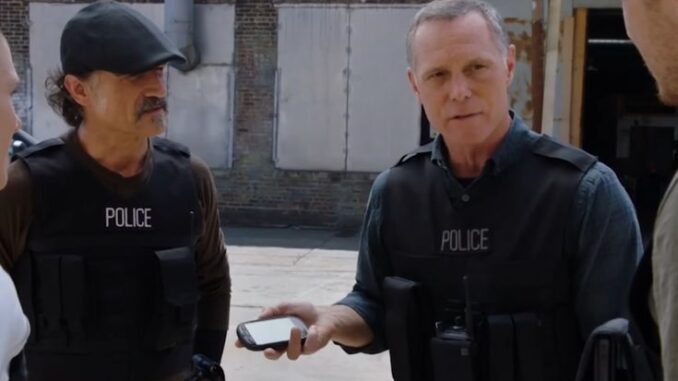
“Chicago PD” has long been known for its intense storytelling, emotionally complex characters, and gripping police procedural drama. As the series progresses into Season 13, expectations remain high for each episode to deliver both narrative depth and character development. Episode 16, however, takes a slightly different route. While it shines a spotlight on Benjamin Levy Aguilar’s character, Dante Torres, it ultimately falls short of delivering a well-rounded, impactful storyline.
This episode feels less like a fully realized chapter in the series and more like a character showcase. While Aguilar delivers a commendable performance, the lack of strong supporting arcs and meaningful plot progression makes the episode feel somewhat underwhelming.
A Much-Needed Spotlight on Dante Torres
One of the most notable aspects of Episode 16 is its focus on Dante Torres. Since his introduction, Torres has been an intriguing yet somewhat underdeveloped character. This episode attempts to change that by diving deeper into his personal struggles, emotional vulnerabilities, and professional challenges.
Aguilar’s performance is undoubtedly the highlight. He brings authenticity and emotional weight to Torres, portraying a man caught between his past and present. The internal conflict is evident, and viewers are finally given a glimpse into what drives him.
However, while this character exploration is appreciated, it also exposes a long-standing issue with the show: the delayed development of newer characters. By waiting so long to flesh out Torres, the episode feels like it’s playing catch-up rather than moving forward.
Strong Performance, Limited Impact
Benjamin Levy Aguilar proves that he has the acting chops to carry an episode. His portrayal of Torres is layered, nuanced, and emotionally engaging. From subtle facial expressions to intense dialogue delivery, Aguilar commands attention in every scene he appears in.
Yet, despite his strong performance, the episode struggles to leave a lasting impact. The narrative surrounding Torres lacks urgency and stakes. While we are told that his situation is significant, the storytelling doesn’t fully convince us of its importance.
This creates a disconnect between performance and writing. Aguilar elevates the material, but the script doesn’t give him enough to work with in terms of compelling conflict or resolution.
A Thin Plot That Fails to Engage
Beyond Torres’ storyline, Episode 16 suffers from a relatively thin plot. “Chicago PD” typically excels at weaving together multiple storylines that intersect in meaningful ways. Unfortunately, that complexity is largely absent here.
The case of the week feels generic and lacks the tension that fans have come to expect. There are no major twists, no high-stakes confrontations, and no emotionally charged moments that leave a lasting impression.
As a result, the episode feels slow and uneventful. Even the investigative elements, which are usually a strong point of the series, seem underdeveloped and rushed.
Lack of Team Dynamics
Another major drawback of this episode is the minimal involvement of the rest of the Intelligence Unit. “Chicago PD” thrives on the chemistry between its ensemble cast. Characters like Voight, Halstead (in earlier seasons), Burgess, and Ruzek have historically brought depth and balance to the show.
In Episode 16, however, the focus on Torres comes at the expense of these dynamics. Supporting characters are given little to do, and their presence feels more like an afterthought than an integral part of the story.
This lack of interaction not only weakens the episode but also diminishes the sense of cohesion within the team. It feels less like a collective effort and more like a one-man show.
Missed Opportunities for Emotional Depth
Given the focus on Torres, this episode had the potential to explore deeper emotional themes. Issues such as identity, loyalty, trauma, and redemption could have been examined in more meaningful ways.
Instead, the episode only scratches the surface. While there are moments of introspection, they are not fully developed or explored to their fullest potential. Key emotional beats feel rushed or underwritten, leaving viewers wanting more.
This is particularly disappointing because Aguilar clearly has the ability to handle more complex material. With stronger writing, this episode could have been a standout moment in the series.
Pacing Issues and Narrative Imbalance
Pacing is another area where Episode 16 struggles. The episode feels uneven, with some scenes dragging on while others are rushed. This inconsistency disrupts the flow of the story and makes it difficult for viewers to stay fully engaged.
The focus on Torres, while important, creates an imbalance in the narrative. By dedicating so much time to one character without adequately supporting the storyline, the episode sacrifices overall cohesion.
A more balanced approach, integrating Torres’ development with a compelling case and meaningful team interactions, would have significantly improved the episode.
Visuals and Direction: A Saving Grace
Despite its narrative shortcomings, Episode 16 does have some redeeming qualities. The direction and cinematography remain strong, maintaining the gritty, realistic tone that “Chicago PD” is known for.
Close-up shots effectively capture Torres’ emotional state, while the use of lighting and camera angles adds depth to key scenes. These visual elements help enhance Aguilar’s performance and create moments of genuine intensity.
However, strong visuals alone are not enough to compensate for the lack of a compelling story.
Fan Reactions and Expectations
Fans of “Chicago PD” have come to expect a certain level of quality and consistency from the series. While character-focused episodes are not uncommon, they are usually balanced with strong storytelling and ensemble dynamics.
Episode 16, however, has received mixed reactions. While many viewers appreciate the focus on Torres and Aguilar’s performance, others feel that the episode lacks substance and fails to meet expectations.
This highlights a broader issue within long-running series: maintaining freshness and depth while continuing to develop new characters.
Conclusion
“Chicago PD” Season 13, Episode 16 serves as a showcase for Benjamin Levy Aguilar, highlighting his talent and potential within the series. His portrayal of Dante Torres is compelling and emotionally resonant, proving that he is more than capable of carrying significant storylines.
However, the episode ultimately falls short of being memorable. A thin plot, lack of team dynamics, and missed opportunities for deeper storytelling prevent it from reaching its full potential.
While it’s a step in the right direction for Torres’ character development, it also serves as a reminder that strong performances need equally strong writing to truly shine.