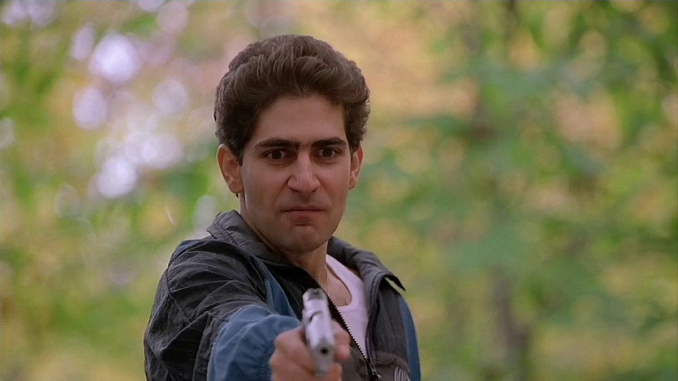
Christopher Moltisanti: Chasing Hollywood and the Price of Vulnerability
Introduction: The Most Human Character in The Sopranos
Among the hardened figures of The Sopranos, Christopher Moltisanti stands out—not for his strength, but for his sensitivity. While others embrace the brutality of their world, Christopher dreams of something more: Hollywood, storytelling, and a life beyond crime.
But in a world where vulnerability is weakness, his emotional depth becomes his greatest liability.
The Hollywood Dream: A Desire for Escape
Christopher’s ambition to become a screenwriter is more than a side plot—it’s a reflection of his longing for identity.
Hollywood represents:
- Freedom from the mafia life
- A chance to be respected for creativity, not violence
- A way to transform his experiences into meaning
Through writing, Christopher tries to make sense of his chaotic life. His script becomes a bridge between who he is and who he wants to be.
A World That Punishes Sensitivity
Unlike Tony and other mobsters, Christopher feels deeply. He seeks validation, struggles with insecurity, and craves recognition.
But in the mafia:
- Emotion is dangerous
- Self-expression is mocked
- Weakness is exploited
Christopher’s vulnerability isolates him. Instead of being understood, he is dismissed, ridiculed, or manipulated. His dream is not just difficult—it is incompatible with his environment.
Addiction: Coping with Inner Conflict
Christopher’s substance abuse is not مجرد self-destruction—it’s self-medication.
Drugs and alcohol become his escape from:
- The pressure to live up to Tony’s expectations
- The frustration of unrealized dreams
- The pain of not belonging anywhere
His addiction reflects a deeper truth: when a person cannot reconcile their identity, they often seek relief instead of resolution.
Tony Soprano and the Weight of Expectation
Tony serves as both mentor and obstacle in Christopher’s life.
On one hand:
- He offers guidance, protection, and opportunity
On the other:
- He reinforces the very system that traps Christopher
- He dismisses Christopher’s creative ambitions
- He demands loyalty over individuality
Christopher is caught in a painful paradox: to earn Tony’s approval, he must abandon himself.

The Illusion of Hollywood
When Christopher gets closer to the film industry, he realizes something unsettling—Hollywood is not the escape he imagined.
It is:
- Superficial
- Opportunistic
- Just another system of power and ego
His dream begins to collapse under reality. The one place he believed would validate him fails to provide the meaning he seeks.
Vulnerability as Strength—and Weakness
Christopher’s defining trait is his vulnerability.
It allows him to:
- Reflect
- Create
- Feel deeply
But it also makes him:
- Unstable in a violent world
- Dependent on external validation
- Prone to self-destruction
His tragedy lies in this contradiction: the very thing that could have saved him is what ultimately destroys him in the wrong environment.
Why Christopher’s Story Feels So Real
Christopher Moltisanti resonates because his struggle is universal.
Many people experience:
- The gap between their dreams and their reality
- The pressure to conform to expectations
- The fear of being seen as “too emotional”
He represents the artist, the dreamer, the outsider—someone who doesn’t fully belong anywhere.
The Cost of Not Becoming Yourself
Christopher’s life is a cautionary tale about what happens when potential is suffocated.
His inability to fully pursue his true self leads to:
- Addiction
- Frustration
- Emotional collapse
The tragedy is not just that he fails—but that he almost could have succeeded in a different world.
Conclusion: A Dream That Never Had a Chance
Christopher Moltisanti is not just a supporting character—he is one of The Sopranos’ deepest tragedies.
His Hollywood dream symbolizes hope, identity, and escape. But in a life defined by violence and expectation, that dream becomes impossible to sustain.
In the end, Christopher’s story leaves us with a powerful question:
What happens when your environment refuses to accept who you truly are—and how much of yourself are you willing to lose to survive?