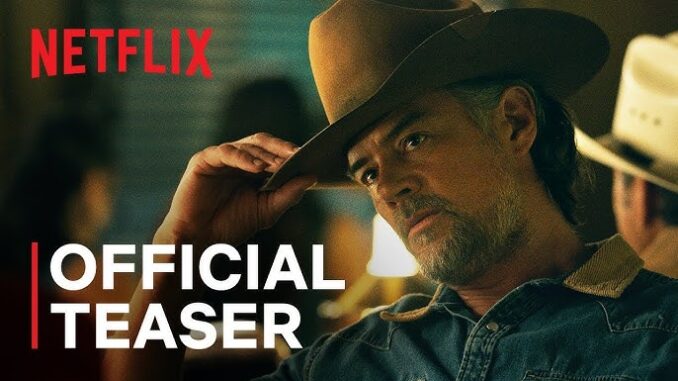
A fan-focused comparison of Ransom Canyon and Yellowstone, exploring storylines, characters, themes, and what their futures could mean for viewers.
Two Western Worlds, One Emotional Pull
If you’re a fan of modern Western dramas, chances are you’ve heard the same question pop up again and again in comment sections and fan groups: Is Ransom Canyon trying to be the next Yellowstone?
It’s a fair question. Both TV shows tap into wide-open landscapes, complicated family dynamics, unspoken loyalty, and conflicts that feel deeply personal rather than purely political. Yet for many fans, the comparison isn’t about which series is “better.” It’s about why each one hits differently — and what that difference means for the future of Ransom Canyon as a TV show carving out its own identity.
This comparison isn’t about declaring a winner. It’s about understanding why fans connect so strongly to both, and how similar ingredients can create very different emotional experiences.
Quick Context: What Each Show Brings to the Table
Ransom Canyon: A Story Rooted in Intimacy
At its core, Ransom Canyon is a relationship-driven TV show. The storyline leans into emotional tension, unresolved pasts, and characters who are shaped more by what they feel than by what they control. Each season builds slowly, letting viewers sit with grief, longing, and quiet moments that feel painfully real.
Instead of explosive power plays, the show focuses on:
-
Personal loyalty
-
Romantic wounds
-
Community pressure
-
Choices that haunt rather than shock
The pacing invites fans to reflect — and that’s exactly where many viewers fall in love with the series.
Yellowstone: Power, Legacy, and Survival
On the other side of the comparison, Yellowstone is about dominance, land, and legacy. Every episode feels like a chess match, where the storyline constantly escalates and power is something characters are willing to kill for.
Where Ransom Canyon whispers, Yellowstone roars.
Key traits include:
-
High-stakes conflict
-
Political and economic warfare
-
Larger-than-life personalities
-
A survival-first mentality
For fans, each episode feels urgent, dangerous, and unpredictable.
Why the Storylines Matter So Much to Fans
Emotional Identification vs. Aspirational Power
One major reason fans react so strongly to both TV shows is how they invite emotional identification.
Ransom Canyon speaks to viewers who:
-
Feel deeply
-
Carry emotional scars
-
Believe love and loyalty can quietly ruin lives
-
See themselves in characters who don’t always win
Yellowstone attracts fans who:
-
Admire strength and authority
-
Are fascinated by moral ambiguity
-
Enjoy watching control being fought over
-
Feel drawn to bold, decisive characters
Neither approach is wrong — but they satisfy very different emotional needs.
Characters: Quiet Complexity vs. Commanding Presence
Ransom Canyon Characters: Internal Battles
The cast of Ransom Canyon thrives on subtlety. Many characters are defined by:
-
What they don’t say
-
Long-standing emotional wounds
-
Relationships shaped by regret
-
Slow-burning romantic tension
Fans often discuss these characters in deeply personal terms. Online conversations focus on motivations, trauma, and emotional growth rather than shock value.
Yellowstone Characters: External Conflict
Yellowstone characters are built for confrontation. They’re strategic, aggressive, and unapologetic. Each episode pushes them into:
-
Power struggles
-
Moral compromises
-
Life-or-death decisions
Fans tend to debate who is right, who is wrong, and who deserves power — turning each season into a battleground of opinions.
Key Themes That Set Them Apart
Ransom Canyon Themes
-
Love that doesn’t heal easily
-
Community judgment
-
Emotional inheritance
-
The cost of staying silent
These themes give the TV show a reflective tone, encouraging fans to project their own experiences onto the storyline.
Yellowstone Themes
-
Ownership and territory
-
Legacy and bloodlines
-
Violence as a language
-
Control as survival
These themes feel more confrontational, making each episode feel like a test of strength.
Fan Reactions and Online Buzz (Speculative)
What Fans Are Saying About Ransom Canyon
Among fans, Ransom Canyon is often described as:
-
“Emotionally underrated”
-
“More romantic than expected”
-
“Slow, but deeply rewarding”
Some rumors circulating online suggest that future episodes may push the storyline toward darker emotional territory, testing relationships that fans currently root for. While nothing is confirmed, the speculation alone shows how invested viewers already are.
Yellowstone’s Established Fan Culture
Yellowstone’s fanbase is louder and more divided. Each season sparks debates over:
-
Character morality
-
Shocking episode endings
-
Allegiances within the cast
Fans expect escalation, and rumors often center on who might fall next or which relationship will implode.
Does Ransom Canyon Need to Compete?
One of the most common fan fears is that Ransom Canyon might try to become Yellowstone in future seasons. But many viewers argue that would be a mistake.
The strength of Ransom Canyon lies in:
-
Emotional realism
-
Romantic tension
-
Character-driven storytelling
If future episodes lean too hard into power plays or exaggerated conflict, fans worry the show could lose what makes it special.
What This Could Mean for Future Seasons
The Future of Ransom Canyon
Based on fan reactions and storyline patterns so far, the future of Ransom Canyon may focus on:
-
Deeper emotional consequences
-
More complex relationship dynamics
-
Characters being forced to confront long-buried truths
Rather than bigger explosions, fans seem to want bigger emotional risks.
Yellowstone’s Ongoing Evolution
Yellowstone, meanwhile, continues to expand its universe. Each season raises the stakes, and viewers expect nothing less. The show’s future appears tied to escalation — more power, more loss, more fallout.
Why Fans Keep Comparing Them
The comparison between these two TV shows isn’t really about plot similarity. It’s about shared atmosphere:
-
Rural settings
-
Tight-knit communities
-
Unwritten rules
-
Emotional loyalty
Fans compare them because they both explore what happens when land, love, and identity collide — just from very different emotional angles.
Final Thoughts: Two Paths, Two Audiences
Comparing Ransom Canyon and Yellowstone reveals something important about modern TV storytelling: there’s room for more than one kind of Western drama.
One thrives on emotional intimacy.
The other thrives on raw power.
And fans don’t have to choose — they can appreciate both for what they offer.
The real question isn’t whether Ransom Canyon can match Yellowstone’s impact. It’s whether it should even try.
Do you think Ransom Canyon should stay emotionally driven, or would you like to see future seasons raise the stakes?