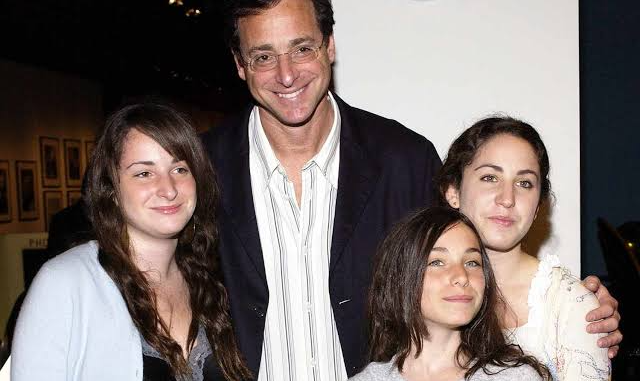
When Full House premiered in 1987, American television was saturated with family sitcoms, yet few offered a father figure as emotionally transparent and morally centered as Danny Tanner, portrayed by Bob Saget. As a widowed father raising three daughters with the help of male relatives, Danny Tanner redefined paternal vulnerability at a time when masculinity on television often favored stoicism or authority.
Bob Saget’s performance created the ethical spine of Full House, grounding its sweetness in sincerity rather than sentimentality.
A Father Built on Grief and Responsibility
Danny Tanner is introduced not as a comedic archetype but as a man shaped by loss. Saget played Danny with restraint, allowing grief to exist quietly beneath humor. This balance gave Full House emotional legitimacy, distinguishing it from more cartoonish sitcoms of the era.
Danny’s obsessively clean habits and moral earnestness were often played for laughs, yet they stemmed from anxiety, control, and love—human motivations that Saget never allowed to become hollow jokes.
Comedy Without Cynicism
What set Bob Saget apart was his refusal to undermine sincerity. In an industry increasingly driven by irony, Saget committed fully to earnestness. Danny Tanner believed in communication, forgiveness, and accountability, and the show treated those beliefs seriously.
This moral clarity made Full House especially influential among younger audiences, positioning the sitcom as both entertainment and ethical primer.
Legacy Across Generations
In Fuller House, Danny Tanner returns not as nostalgia bait, but as continuity. His presence reinforces the idea that values—when lived consistently—outlast formats and decades.
Bob Saget’s death in 2022 reframed Danny Tanner retrospectively: not merely a character, but a generational symbol of decency. His performance endures as one of the most emotionally honest portrayals of fatherhood in sitcom history.