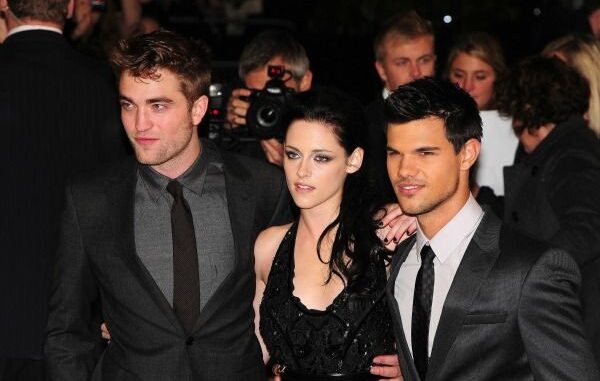
When The Twilight Saga first captivated audiences, it wasn’t just the brooding vampires or supernatural drama that kept fans hooked — it was the emotionally charged relationship between Bella Swan and Edward Cullen. Years later, the debate still rages on: Was Bella’s love real, or was she irresistibly pulled into Edward’s dangerous world?
Let’s break it down — emotionally, psychologically, and narratively — to uncover the truth behind one of pop culture’s most discussed romances.
Bella Swan: Love or Obsession?
Bella Swan is often criticized as passive or overly dependent, but that interpretation barely scratches the surface.
Bella’s feelings for Edward develop before she understands the full scope of the vampire world. Her attraction is rooted in:
-
Emotional connection
-
A sense of being truly seen
-
Intense curiosity rather than blind fascination
Even when Edward repeatedly warns her to stay away — emphasizing danger, not glamour — Bella chooses him. That choice suggests conscious emotional attachment, not mindless obsession.
Edward Cullen: Protector or Catalyst?
Edward Cullen is not your typical romantic hero. He’s distant, morally conflicted, and constantly pushing Bella away for her own safety.
Ironically, this resistance strengthens Bella’s resolve. Edward doesn’t lure her with promises of immortality or power. Instead, he:
-
Tries to limit her exposure to the supernatural
-
Fears losing her humanity
-
Views himself as unworthy of her love
If Bella were merely “drawn into” the vampire world, Edward’s behavior should have repelled her — yet it didn’t.
Was the Vampire World the Real Attraction?
There’s no denying the allure of the supernatural. The Cullen family, immortality, heightened senses — it’s intoxicating.
But here’s the key distinction:
Bella doesn’t fall for vampires. She falls for Edward.
Her discomfort around other supernatural beings, especially early in the saga, proves she isn’t chasing the fantasy. The vampire world becomes meaningful only because Edward is part of it — not the other way around.
Psychological Depth: Choice vs. Destiny
One recurring theme throughout the saga is choice.
Bella repeatedly chooses:
-
Edward over normalcy
-
Mortality over safety
-
Love over fear
Even when separated from Edward, her pain doesn’t translate into fascination with the supernatural — it manifests as grief, loss, and longing. That emotional response aligns more with genuine love than seduction by a fantasy world.
Stephenie Meyer’s Narrative Intent
Stephenie Meyer has stated multiple times that The Twilight Saga is fundamentally a story about intense, consuming love — not vampires.
The supernatural elements serve as:
-
Metaphors for emotional risk
-
Amplifiers of human vulnerability
-
Tools to explore devotion and sacrifice
From the novels to the film adaptations like Twilight and Breaking Dawn, Bella’s arc consistently centers on agency, not manipulation.
Final Verdict: Love, Not Just Temptation
So, did Bella Swan truly love Edward?
Yes — deeply, consciously, and willingly.
While the vampire world undeniably influenced her journey, it was never the core motivation. Bella’s choices, sacrifices, and emotional evolution point to authentic love rather than enchantment.
The real question might not be why Bella chose Edward — but whether we underestimate the power of love when it doesn’t follow conventional rules.