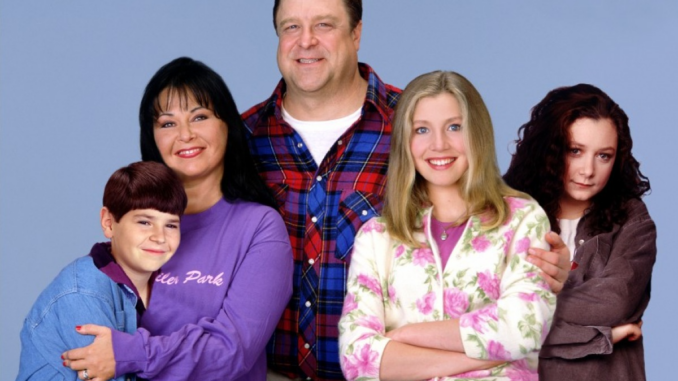
In the history of American television, few stories are as abrupt and unsettling as the fall of Roseanne Barr from her own creation, the hit sitcom Roseanne. What began as one of the most successful revivals in modern TV quickly turned into a case study of how fast power can shift in Hollywood—and how even the most central figure can be removed from the narrative they helped build.
When Roseanne first aired in 1988, it broke ground by portraying a working-class American family with a level of realism rarely seen on network television. The show’s success was inseparable from Barr herself. She was not only the lead actress, but also a creative force whose voice shaped the tone, humor, and identity of the series. Decades later, when the show was revived in 2018, it drew massive ratings, proving that its cultural relevance had not faded.
But that resurgence was short-lived.
In May 2018, Barr posted a controversial tweet that sparked immediate backlash. Within hours, the network canceled the show. The speed of the decision was striking. There were no extended negotiations, no public attempts at damage control. The response was swift and definitive, reflecting a broader shift in the entertainment industry toward zero tolerance for reputational risk.
What followed was even more unusual.
Rather than ending the franchise entirely, the network chose to continue the story without its central character. A spin-off, The Conners, was developed, focusing on the remaining members of the Conner family. In the new narrative, Roseanne Conner was written out through an off-screen death attributed to an opioid overdose.
For many viewers, the decision felt jarring. A character who had defined the series for decades was removed not gradually, but absolutely. The fictional death carried symbolic weight. It marked not only the end of a character, but also a deliberate separation between the show’s legacy and its original star. 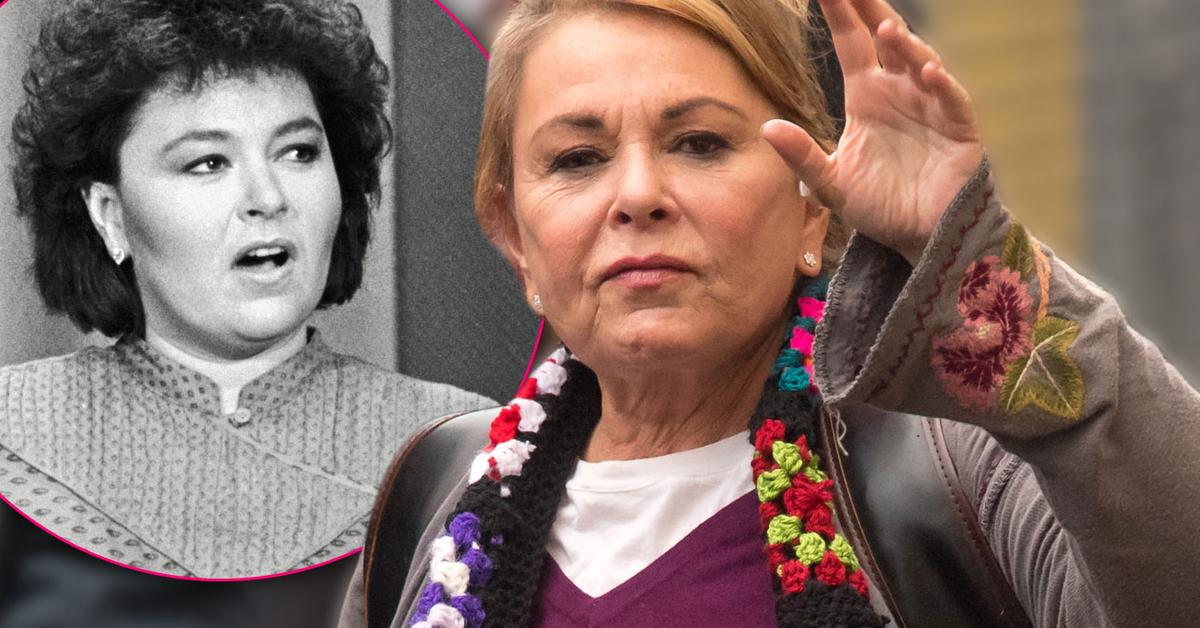
The situation raises a broader question about authorship and ownership in television. While audiences often associate a show with its most visible figure, the legal and creative control typically resides elsewhere—with networks, producers, and corporate stakeholders. In this case, the continuation of The Conners demonstrated that a franchise can survive the loss of its most recognizable face, as long as the underlying structure remains intact.
At the same time, the absence of Barr fundamentally altered the tone of the story. The Conner family, once centered around a strong and often controversial matriarch, was forced to redefine itself. The shift reflected not only a narrative adjustment, but also an attempt to preserve audience loyalty while distancing the production from controversy.
Years later, the incident remains a reference point in discussions about accountability, cancellation, and creative control in the entertainment industry. It illustrates how quickly a career can be disrupted, and how little protection even the most influential figures may have once public perception turns.
In the end, Roseanne stands as both a landmark sitcom and a cautionary tale. It is a reminder that success in television is rarely owned by a single individual—and that the line between creator and replaceable figure can be thinner than it appears.