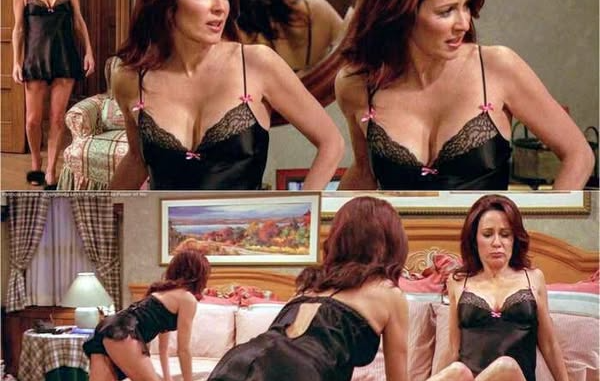
A Sitcom Revelation That Sparked Fresh Debate
Years after Everybody Loves Raymond signed off, the show still manages to stir conversation. This time, it’s not about punchlines or family fights — it’s about casting pressure behind the scenes. According to the show’s creator, CBS once pushed for a “hotter” actress to play Ray Barone’s wife. And yes, that revelation raised eyebrows.
Why Everybody Loves Raymond Still Gets People Talking
Few sitcoms age as well as Everybody Loves Raymond. Its humor still lands because it’s rooted in reality — marriage tension, meddling parents, and sibling rivalry. That realism is exactly why this casting story matters. Change one ingredient, and the whole recipe shifts.
The Creator’s Claim That Changed the Narrative
The creator revealed that CBS executives initially worried the actress cast as Debra Barone wasn’t “hot enough” for a sitcom wife. From a modern lens, the comment feels outdated — but it reflects a very real mindset in television at the time.
Who Was Debra Barone Supposed to Be?
Debra wasn’t designed to be a fantasy figure. She was a stressed, loving, sarcastic mother trying to survive marriage and in-laws. She felt real. That authenticity became one of the show’s strongest assets.
Network Expectations vs. Creative Vision
Networks often focus on marketability. Creators focus on truth. This clash is as old as television itself. CBS reportedly wanted a more traditionally glamorous presence, believing that would appeal to audiences. The creator pushed back — and history proved him right.
Why “Hotter” Missed the Point
The idea that Debra needed to be “hotter” ignored what the show was really about. Everybody Loves Raymond wasn’t built on aspiration. It was built on recognition. Viewers didn’t want perfection — they wanted familiarity.
Patricia Heaton’s Casting Changed Everything
Patricia Heaton brought depth, humor, and edge to Debra. She wasn’t just Ray’s wife — she was his equal. Her expressions, timing, and emotional honesty gave the show balance.
Chemistry Can’t Be Manufactured
Sitcom magic lives in chemistry, not cheekbones. Ray Romano and Patricia Heaton connected in a way that felt organic. Their arguments felt earned. Their affection felt lived-in. No amount of “hotness” can replace that.
How the Show Defied Sitcom Tropes
At the time, many sitcom wives existed as background characters. Debra didn’t. She challenged Ray, pushed back against Marie, and voiced frustration openly. That complexity made her unforgettable.
The Industry’s Obsession With Appearance
The creator’s claim highlights a broader issue: Hollywood’s long-standing obsession with appearance, especially for women. Talent often came second to looks — a standard slowly changing but not fully gone.
Why Audiences Loved Debra Exactly as She Was
Viewers connected with Debra because she felt like someone they knew — or were. She was flawed, exhausted, funny, and real. That relatability turned her into one of television’s most iconic sitcom wives.
What Could Have Gone Wrong
Had CBS gotten its way, Everybody Loves Raymond might have lost its grounding. A more “glamorous” Debra could have shifted the tone, making Ray’s complaints feel shallow instead of humorous.
Creators Standing Their Ground Matters
This story is a reminder that creative resistance matters. When creators protect their vision, audiences benefit. In this case, standing firm preserved the soul of the show.
How This Revelation Changes the Way We Watch
Knowing this behind-the-scenes struggle adds a new layer to rewatches. It makes Debra’s presence even more meaningful — not just as a character, but as a creative victory.
Why This Conversation Still Resonates Today
Even now, discussions around casting, appearance, and authenticity remain relevant. This revelation sparks a broader conversation about representation and realism in entertainment.
Everybody Loves Raymond as a Cultural Time Capsule
The show reflects its era — both the progress and the problems. This casting story captures a moment when industry norms clashed with evolving audience values.
The Long-Term Impact of the Right Choice
The success of Everybody Loves Raymond proved that audiences respond to truth. Debra Barone became iconic not despite her realism — but because of it.
Why Authenticity Always Wins
Trends fade. Authenticity lasts. That’s the quiet lesson behind this casting controversy. And it’s why the show still feels relevant decades later.
A Win for Storytelling Over Surface
In the end, storytelling won. Character won. And viewers got a sitcom that still feels honest every time the theme song plays.
Conclusion
The claim that CBS wanted a “hotter” actress to play Ray’s wife offers more than gossip — it reveals how close Everybody Loves Raymond came to losing its heart. By choosing authenticity over appearance, the show cemented its legacy. Debra Barone wasn’t meant to be idealized; she was meant to be understood. And that decision made all the difference.
FAQs
Who made the claim about CBS wanting a “hotter” actress?
The creator of Everybody Loves Raymond shared the behind-the-scenes casting pressure from the network.
Why did CBS want a different actress for Debra?
Executives reportedly believed a more traditionally glamorous actress would appeal more to viewers.
Why was Patricia Heaton ultimately the right choice?
Her realism, timing, and chemistry with Ray Romano matched the show’s core vision.
Did this casting decision affect the show’s success?
Yes. Keeping Debra authentic helped the show feel relatable and enduring.
What does this reveal about TV casting culture?
It highlights past industry biases and the importance of creators standing up for meaningful representation.