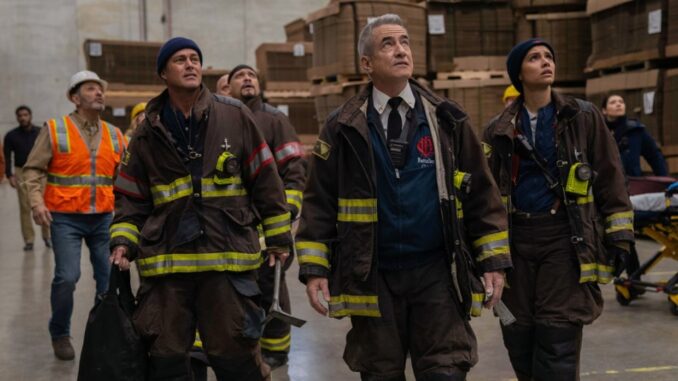
Creating fire on television isn’t just about turning up the heat — it’s about crafting danger, emotion, and adrenaline in a perfectly controlled environment. “Chicago Fire,” one of TV’s most iconic emergency-response dramas, has mastered the art of capturing flames so realistic that viewers can practically feel the scorch. But behind every raging inferno is a team of experts working tirelessly to keep the cast safe while making the viewers believe they’re seconds away from disaster.
In this in-depth article, we’ll dive into how “Chicago Fire” fakes fire, the techniques behind Hollywood’s most convincing blazes, and the fascinating blend of science, engineering, and filmmaking that makes it all work.
The Art and Science of Faking Fire on “Chicago Fire”
Fire is beautiful, unpredictable, and incredibly dangerous — a combination that makes it one of the hardest elements to fake on screen. On “Chicago Fire,” the production team has found the sweet spot between realism and safety. At the heart of their approach lies innovation: a mix of real flames, CGI enhancements, practical effects, and old-school stagecraft.
Let’s break down how they pull off these spectacular scenes without burning down half of Chicago.
Why Fire Scenes Matter So Much
Fire isn’t just a backdrop in “Chicago Fire.” It’s practically a character. Episodes come alive through:
-
High-stakes rescues
-
Emotional intensity
-
Visual spectacle
-
Unpredictable tension
Without convincing fire, the show simply wouldn’t work. That’s why every blaze is handcrafted with precision.
Combining Real Flames With Movie Magic
H3: Yes — They Use Real Fire
Believe it or not, many scenes involve real flames. Not massive, uncontrolled infernos, but carefully managed fires operated by licensed pyrotechnic experts.
These real flames give actors something tangible to react to. It’s easier to show fear, urgency, and sweat when the heat is actually there.
Controlled Burns for Safe Shooting
Fire units set up what the industry calls “controlled burns.” These are small, contained fires that:
-
Burn predictably
-
Produce steady smoke
-
Can be extinguished instantly
-
Stay within a safe boundary
Think of them as “movie campfires” — real, but domesticated.
The Power of Practical Effects
Practical effects keep things believable while minimizing danger. Fire gels, heat lamps, charred set pieces, and smoke machines all work together to enhance the illusion of chaos.
Fire Gel: The Secret Ingredient
Fire gel is a special substance placed on surfaces to make them burn safely and slowly. It creates dramatic flames that look intense without putting the cast in real jeopardy.
Smoke Machines Bring the Atmosphere
Smoke is often scarier than fire. On set, technicians use:
-
Fog machines
-
Steam hoses
-
Smoke cookies
These create thick, rolling smoke that fills the scene — one of the keys to visual authenticity.
How CGI Enhances Realistic Flames
Enhancing, Not Replacing
“Chicago Fire” rarely relies on CGI alone. Instead, computer-generated flames are used to:
-
Extend the fire
-
Add embers or sparks
-
Increase flame height
-
Create spread without real fuel
This hybrid method keeps the show grounded while allowing for dramatic scale.
Digital Heat Distortion
A subtle but powerful trick is the digital shimmer of rising heat. Even if flames are small or fake, CGI adds visual distortion that mimics the look of blistering air.
Stunt Teams Make Danger Look Effortless
Firefighters Trained by Firefighters
Actors undergo real firefighter training. They learn:
-
How to handle hoses
-
How to move through smoke
-
How to maintain breathing rhythms
-
How to stay aware inside “burning” environments
This training reduces the need for heavy stunt doubles and boosts authenticity.
Stunt Performers Take the Heat
When a scene calls for:
-
Explosions
-
Falling debris
-
Flames close to the body
-
Running through fire
Stunt pros step in. Equipped with fire-resistant suits and gel coatings, they charge through flames no actor could safely endure.
Creating Realistic Set Environments
Burn Rooms Built From Scratch
Production designers build entire sets meant to be burned. Walls are coated with flame-resistant paint. Ceilings are rigged with collapsible sections. Every charred beam and flickering light is placed deliberately.
Collapsing Structures — Safely
A beam falling inches from an actor? It looks terrifying, but it’s engineered like a theme-park attraction. Everything is measured, rehearsed, and timed to perfection.
Fire Safety: The Top Priority
Multiple Fire Marshals On Set
Every fire scene includes:
-
A licensed fire marshal
-
Pyrotechnics specialists
-
Safety officers
-
EMT personnel
They monitor temperatures, oxygen levels, and structural integrity.
Emergency Shut-Off Systems
At any moment, the entire fire setup can be shut down with a single command. Safety crews remain inches outside the camera frame with extinguishers ready.
Why Scenes Look So Real — The Human Element
Actors Bring Real Reactions
When heat is real, sweat is real. When smoke is real, coughing is real. Actors don’t need to fake panic — their bodies naturally respond.
Sound Design Adds Immersion
Crackling wood, roaring flames, collapsing structures — these sounds aren’t captured on set. They’re added later to create an audio environment that makes the flames feel alive.
When Fire Must Be Completely Fake
Some situations are too dangerous for real flames, such as:
-
Fires close to an actor’s face
-
Scenes involving children
-
Explosions inside tight spaces
In these cases, pure CGI takes over. The team layers digital flames with practical smoke to avoid the “video-game look.”
The Evolution of Fire Effects on the Show
Early Seasons vs. Now
In the beginning, fire scenes were simpler. As audience expectations grew, so did the show’s ambition. Today’s fire sequences are:
-
Larger
-
Hotter
-
More realistic
-
More technically complex
New Technology Keeps Raising the Bar
The show now uses:
-
LED walls
-
Real-time CGI
-
Enhanced flame simulations
This allows actors to react naturally to digital flames that appear in front of them on screens.
The Illusion of Heat and Chaos
Lighting Tricks
Lights flicker to mimic fire — even when none is present. This creates depth and motion that the human eye associates with flames.
Set Dressings Pre-Burned for Realism
Even the props have stories. Furniture is pre-scorched, walls are blackened, and soot is layered on thick. These details sell the illusion long before flames are added.
Why “Chicago Fire” Stands Out From Other Fire Dramas
Commitment to Realism
Many productions rely heavily on CGI. “Chicago Fire” remains dedicated to real elements, making it more visceral and believable.
Collaboration With Real Chicago Firefighters
Consultants ensure that:
-
Procedures look authentic
-
Equipment is used correctly
-
Dialogue mirrors real-world terminology
This partnership is one of the reasons fans stay loyal season after season.
Conclusion: When Movie Magic Meets Real Heat
Faking fire on the set of “Chicago Fire” is a masterclass in marrying realism with safety. The production team blends real flames, practical effects, digital enhancements, and carefully orchestrated chaos to bring viewers into the heart of every emergency.
The flames may be controlled, the danger choreographed — but the emotion, tension, and adrenaline? Those are 100% real. And that’s why “Chicago Fire” continues to stand as one of the most compelling emergency-response dramas on television.