From Bella to Edward: Twenty Years of Twilight and an Unforgettable Legacy
Twenty years have passed since the first glimmer of Stephenie Meyer’s Twilight saga shimmered into existence, casting an ethereal glow across the literary landscape and igniting a cultural phenomenon. What started as a simple story of a clumsy, ordinary girl falling in love with an extraordinary vampire has morphed into a legacy that continues to spark debate, inspire fervor, and leave an undeniable mark on young adult fiction and popular culture. To understand the Twilight phenomenon is to dissect the enduring appeal of Bella Swan and Edward Cullen, the central figures in a narrative that grapples with themes of love, identity, and the allure of the unattainable.
At the heart of Twilight lies Bella Swan, a character often criticized for her passivity and self-deprecation. Yet, it is precisely this ordinariness that allowed countless readers, particularly young women, to project themselves into her narrative. Bella is not a warrior princess or a chosen one. She is awkward, insecure, and acutely aware of her imperfections. Her internal monologue, laden with self-doubt and a longing for something more, resonated with a generation grappling with similar insecurities. Her move to Forks, a town perpetually shrouded in gloom, represents a yearning for escape, a desire to find meaning and belonging in a world that feels increasingly chaotic and overwhelming. Bella’s vulnerability, often misinterpreted as weakness, becomes her strength. It allows her to embrace the extraordinary love that awaits her, a love that demands courage and self-sacrifice.
Enter Edward Cullen, the brooding, centuries-old vampire who shatters Bella’s mundane existence. Edward embodies the romantic ideal: he is handsome, intelligent, and possessive in a way that many young readers found intensely alluring. His “old-fashioned” manners and his unwavering devotion to Bella, despite the inherent dangers of their relationship, created a potent fantasy. Edward’s struggle to resist his primal instincts, his constant internal battle between love and hunger, adds a layer of complexity to his character. He represents the forbidden fruit, the thrilling danger that draws Bella in despite her better judgment. The attraction between Bella and Edward transcends the physical. It is a connection that speaks to a deeper longing for acceptance, understanding, and unconditional love.
The power of Twilight lies not solely in its characters but in the themes it explores. Love, in its most all-consuming and transformative form, is the driving force of the narrative. Bella’s love for Edward is portrayed as a force strong enough to defy death and transcend human limitations. Their relationship explores the boundaries of commitment, loyalty, and the willingness to sacrifice everything for the sake of love. This intense focus on romantic love, while criticized for its unrealistic portrayal, tapped into a fundamental human desire for connection and validation. Furthermore, Twilight explores themes of identity and self-discovery. Bella’s journey throughout the series is one of self-acceptance and growth. She evolves from a shy, unsure teenager into a confident young woman who embraces her individuality and makes bold choices about her future. Her transformation, while undeniably linked to her relationship with Edward, ultimately underscores the power of self-determination and the importance of embracing one’s true identity.
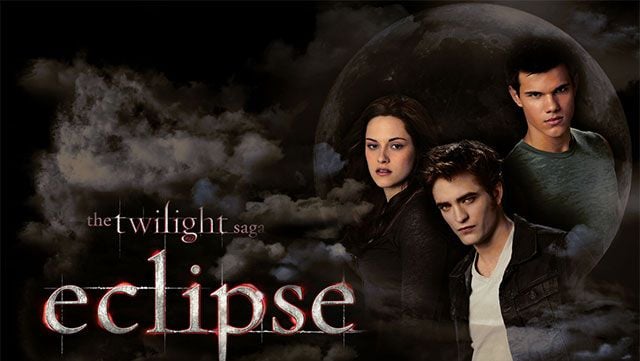
The Twilight saga was more than just a series of books; it was a cultural phenomenon that spawned a media empire. The film adaptations catapulted the actors into superstardom and brought the story to a wider audience. The “Team Edward” versus “Team Jacob” debate dominated social media, solidifying the books’ place in popular culture and sparking endless discussions about the nature of love, loyalty, and the ideal romantic partner. While Twilight has faced criticism for its portrayal of gender roles, its romanticized depiction of abusive relationships, and its lack of diversity, its impact on young adult fiction cannot be denied. It paved the way for a new wave of paranormal romance, inspiring countless authors and sparking a renewed interest in the genre.
Twenty years after its initial publication, the legacy of Twilight remains complex and multifaceted. While some may dismiss it as a frivolous teen romance, its enduring appeal speaks to a deeper connection with its audience. Bella Swan and Edward Cullen, flawed and controversial as they may be, continue to captivate readers with their love story, a tale of longing, transformation, and the enduring power of the human heart. Twilight may not be perfect, but its impact on the literary landscape and its enduring presence in popular culture make it an unforgettable and undeniably significant piece of contemporary fiction. Its legacy lies not just in the books themselves, but in the conversations it sparked, the fantasies it fueled, and the way it continues to resonate with a generation that found solace and inspiration in the unlikely romance between a mortal girl and a vampire.