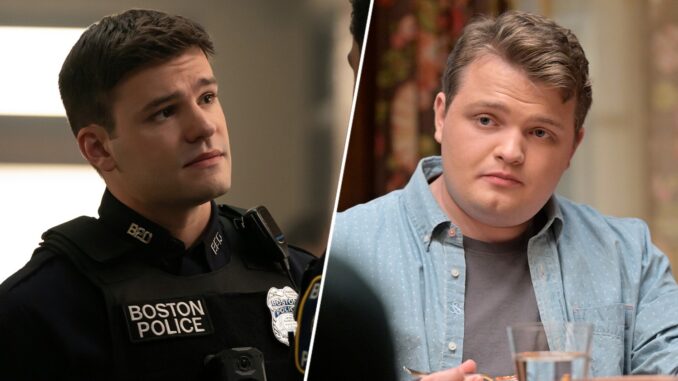
The Big Shake-Up in Boston Blue
Change is the heartbeat of television. But sometimes, a casting shift hits differently — especially when it involves a character audiences have watched grow up. That’s exactly what happened when news surfaced that Andrew Terraciano spoke publicly about the recasting of Sean Reagan in the upcoming series Boston Blue.
For longtime fans of Blue Bloods, the announcement landed like a plot twist mid-season. Questions flooded social media. Why recast? What does it mean for continuity? And most importantly — how does Andrew Terraciano feel?
Let’s unpack the story behind the headlines.
The Legacy of Sean Reagan
Growing Up on Screen
Sean Reagan wasn’t just another supporting character. He represented something rare — a child character audiences watched mature over more than a decade. From awkward family dinners to emotional storylines, Sean became a symbol of the Reagan family’s future.
Terraciano’s performance carried a natural authenticity. It felt less like acting and more like real life unfolding.
Why Fans Felt Attached
Viewers don’t just watch characters — they build relationships with them. Sean’s journey mirrored real adolescence: uncertainty, independence, and figuring out identity. That emotional investment made any casting change feel personal.
What Is Boston Blue?
A New Chapter in a Familiar Universe
Boston Blue expands the world that fans already love. Instead of repeating old beats, the series shifts location, tone, and perspective while keeping the DNA intact.
Think of it like moving cities but staying in the same family.

Why Spin-Offs Matter
Spin-offs allow writers to explore new dynamics without abandoning legacy storytelling. They can introduce fresh characters, deeper conflicts, and modern themes — all while honoring what came before.
Boston Blue aims to do exactly that.
The Recasting Announcement That Sparked Debate
The Moment Fans Noticed
Casting news often arrives quietly. This one didn’t. Online communities quickly connected the dots — Sean Reagan would appear, but not with the original actor.
Cue speculation.
Typical Reasons Recasting Happens
-
Scheduling conflicts
-
Creative direction shifts
-
Character aging adjustments
-
Storyline reboots
None of these automatically signal drama behind the scenes — but fans naturally wonder.
Andrew Terraciano Breaks His Silence
A Measured, Respectful Response
Terraciano’s comments weren’t bitter or defensive. Instead, they reflected gratitude. He acknowledged the years spent with the character and expressed support for the franchise’s future.
That tone matters. It reframed the narrative from “replacement” to “evolution.”
What His Words Reveal
His response suggests something important: the decision was likely creative rather than personal. In television, characters sometimes outgrow the version audiences first met.
It’s less about loss and more about transition.
Why Sean Reagan’s Recasting Makes Narrative Sense
Time Jumps Change Everything
If Boston Blue explores Sean as a young adult in a different environment, producers may want a performance aligned with a new phase of life.
Actors age. Characters evolve. Storytelling adapts.
Tone Shift Requires Performance Shift
Spin-offs often lean darker, faster, or more character-driven. A different actor can signal that tonal change instantly — like switching lenses on a camera.
Fan Reactions Across Social Media
The Emotional Divide
Some fans felt nostalgic loyalty. Others welcomed the opportunity for a fresh interpretation. Both reactions are valid — they reflect investment.
Common Fan Questions
-
Will continuity remain intact?
-
Will Sean’s personality change?
-
Will Terraciano return in another role?
The uncertainty keeps conversation alive — which, frankly, networks love.
The Bigger Trend of Recasting in Television
It’s More Common Than You Think
Recasting happens across genres — superhero franchises, sitcom revivals, prestige dramas. Audiences initially resist, then adjust.
Story usually wins.
When Recasting Works
It works best when:
-
The character’s core traits remain
-
The transition is acknowledged
-
The performance feels authentic
If Boston Blue nails those elements, the controversy may fade quickly.
What This Means for Boston Blue’s Storyline
A Chance to Redefine Sean
A new actor brings new energy — different body language, emotional rhythms, and chemistry. That can open narrative doors writers couldn’t access before.
Potential Story Directions
-
Sean entering law enforcement
-
Family legacy pressure
-
Identity outside New York
-
Conflict between tradition and independence
Each path fits the Reagan universe.
The Emotional Weight of Long-Running Roles
Actors Grow Alongside Characters
Terraciano didn’t just play Sean — he lived key formative years with him. Letting go of a role like that is complicated, even when it’s positive.
It’s like graduating from a school you loved.
Why His Reaction Resonated
Fans recognized maturity in his response. No drama, no blame — just appreciation. That authenticity strengthened audience respect.
Industry Perspective on the Decision
Creative Strategy Over Sentiment
Television is both art and business. Networks evaluate longevity, audience demographics, and storytelling flexibility.
Recasting can be a strategic move rather than a controversial one.
Spin-Off Identity Matters
Boston Blue must stand on its own. Familiar characters help — but they can’t dominate. Adjustments ensure the new show feels fresh instead of recycled.
Could Andrew Terraciano Return Later?
Television Loves Surprise Comebacks
Nothing is permanent in TV. Guest appearances, flashbacks, alternate timelines — all possible.
Why Fans Hold Hope
Because franchises thrive on nostalgia. Bringing original actors back creates emotional spikes that audiences remember.
Never say never.
Lessons From This Casting Shift
Storytelling Requires Risk
Safe choices keep shows alive. Bold choices push them forward.
Audience Attachment Is Powerful
This reaction proves something important: viewers still care deeply about character continuity. That emotional investment is a franchise’s greatest asset.
The Future of the Reagan Universe
Expanding Without Losing Identity
Boston Blue represents evolution — not replacement. The core themes remain: family, duty, and moral complexity.
Why This Moment Feels Like a Turning Point
Every long-running universe reaches a phase where legacy characters pass the torch. Sean’s recasting may symbolize that shift.
Final Thoughts — Change Isn’t the Enemy
Recasting Sean Reagan isn’t just a production decision — it’s a storytelling signal. It tells audiences that Boston Blue intends to move forward rather than replay the past.
Andrew Terraciano’s response set the tone: respectful, reflective, optimistic.
And maybe that’s the takeaway. Television characters may change faces, but the emotional connection remains.
If Boston Blue balances nostalgia with innovation, this controversial moment could become the foundation of its success.
Conclusion
The recasting of Sean Reagan marks a pivotal moment for the Blue Bloods universe. Andrew Terraciano’s calm, appreciative reaction reframed what could have been a divisive headline into a story about growth — both for the actor and the franchise. Boston Blue now carries the challenge of honoring legacy while building something new. Whether fans embrace the change immediately or gradually, one thing is clear: the conversation has already ensured the spin-off’s cultural impact before its premiere.