
A Final Family Dinner — The End of Blue Bloods
For more than a decade, Sunday nights meant one thing for millions of viewers: sitting down with the Reagan family. When Blue Bloods reached its final season, it wasn’t just another TV cancellation — it felt personal.
The show built something rare. It created comfort. It gave audiences a dependable ritual: crime stories wrapped in family values, tough conversations around a dinner table, and characters who aged alongside the fans.
So when the cast began saying goodbye, the moment carried weight. It wasn’t a flashy farewell. It was quiet, emotional, and deeply human — just like the series itself.
Why the Ending Hit Fans So Hard
A Show About Family, Not Just Crime
Plenty of police dramas exist. Few feel like home.
Blue Bloods stood out because the cases mattered — but the relationships mattered more.
Viewers didn’t just follow investigations. They followed generations. They watched careers rise, conflicts unfold, and traditions survive.
The ending meant saying goodbye to familiarity — and that’s always the hardest kind of goodbye.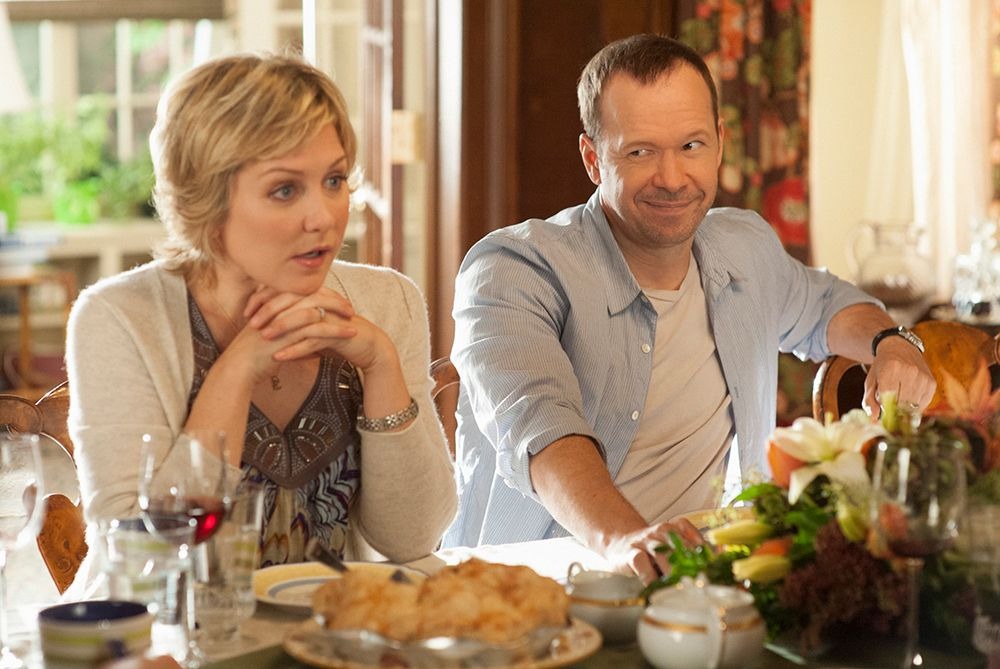
The Cast Knew It Was Special
Tom Selleck’s Emotional Reflection
At the center of it all was Tom Selleck, the steady presence who played Frank Reagan.
He often described the show as more than a job. To him, it represented storytelling with values — respect, service, and family loyalty. As filming wrapped, his interviews carried a tone of gratitude rather than sadness. He spoke about legacy, about consistency, about the rare chance to lead a long-running series that never lost its identity.
It felt less like an ending and more like closing a well-loved book.
Donnie Wahlberg and the Fan Connection
Social Media Became the Goodbye Stage
No cast member connected with viewers quite like Donnie Wahlberg.
He shared behind-the-scenes photos, handwritten notes, and heartfelt messages that felt raw. Instead of polished PR statements, fans saw real emotion — gratitude, disbelief, pride.
His posts reminded everyone that the cast experienced the ending the same way fans did: as a loss.
Bridget Moynahan’s Quiet Tribute
Celebrating Growth Over Time
Bridget Moynahan reflected on how the show captured evolution — especially for women in law enforcement and leadership.
Her goodbye wasn’t dramatic. It focused on appreciation. She highlighted friendships formed on set, lessons learned, and the rare opportunity to portray a character across so many life stages.
Sometimes the loudest goodbye is a quiet thank you.
Will Estes and the Journey of a Character
Growing Up on Screen
For Will Estes, the series represented a long arc of growth. Viewers watched Jamie Reagan evolve from rookie officer to seasoned leader.
That kind of storytelling doesn’t happen often anymore. Long-form character development is a luxury — and Estes knew it. His farewell centered on transformation, both fictional and personal.
The Reagan Family Dinner — A Symbolic Farewell
Why Those Scenes Mattered Most
Ask any fan about their favorite Blue Bloods moment, and many will mention the dinner table.
Those scenes became emotional anchors. Arguments happened there. Forgiveness happened there. Life happened there.
So it made perfect sense that the cast’s goodbye echoed that tradition — conversations, reflections, gratitude. Not spectacle. Connection.
Behind the Scenes of the Final Episodes
A Set Filled With Nostalgia
Final filming days often carry strange energy. Excitement mixes with grief. Cast members take photos of ordinary corners — hallways, props, chairs — because suddenly they matter.
Reports from the set described laughter, long hugs, and pauses between takes that felt heavier than usual. Crew members who had worked together for years were saying goodbye too.
TV endings are rarely just about actors. They’re about families you never see on screen.
How the Show Changed Television
Consistency in a Streaming Era
While the industry shifted toward short seasons and fast turnover, Blue Bloods stayed steady. It delivered traditional network storytelling — reliable structure, character focus, moral questions.
That consistency became its superpower. It offered comfort when media felt chaotic.
The finale symbolized the end of a style of television that many viewers still crave.
Fan Reactions Around the World
More Than Viewers — A Community
Social media filled with memories: favorite episodes, quotes, screenshots of family dinners recreated at home.
Fans talked about watching with parents, grandparents, or kids. That generational appeal made the goodbye emotional across age groups.
It wasn’t just losing a show. It was losing a shared ritual.
The Theme of Legacy
What Blue Bloods Always Stood For
Legacy ran through every storyline — policing, family, responsibility. The ending reinforced that theme.
The characters continue beyond the screen in the audience’s imagination. Frank still leads. Danny still fights. Erin still argues. Jamie still grows.
Good finales don’t end stories. They release them.
Lessons the Cast Took With Them
Patience, Loyalty, Longevity
Long-running series teach rare lessons: consistency beats hype, relationships matter, storytelling can be quiet and still powerful.
Cast members frequently spoke about stability — something actors rarely experience. That stability shaped friendships and careers.
The goodbye carried gratitude for that rare gift.
Why the Finale Felt Authentic
No Over-The-Top Drama
Many shows chase shock value in their final episodes. Blue Bloods didn’t need that. Its strength was emotional realism.
The farewell mirrored the show’s identity: grounded, reflective, respectful.
Sometimes the most powerful ending is the one that stays true.
The Future of the Cast
New Projects, Same Bond
Endings create space. Cast members move into new roles, new genres, new creative risks.
But long series leave fingerprints. The relationships don’t disappear. Reunions happen. Guest appearances happen. Fans keep asking for spin-offs.
And in today’s TV landscape, nothing truly disappears forever.
Could the Story Continue Someday?
The Possibility of Revivals
Television history loves revivals. Familiar worlds return because audiences never stop caring.
The emotional response to the finale suggests one thing clearly: the door isn’t closed in fans’ minds.
Whether through a special, spin-off, or reunion, the Reagan family still has stories left.
What Fans Will Remember Most
The Feeling
Not a single case. Not one plot twist. The feeling.
Warmth. Debate. Loyalty. Imperfect people trying to do the right thing.
That emotional memory is what turns a show into a legacy.
The Real Meaning of Goodbye
It Was Never Just an Ending
The cast didn’t say goodbye as celebrities. They spoke like coworkers finishing a long chapter together.
Their message to fans was simple: thank you for growing with us.
And maybe that’s why the farewell worked. It didn’t try to be monumental. It tried to be sincere.
Conclusion: A Show That Became Family
The end of Blue Bloods felt like leaving a familiar house — one filled with memories, conversations, and traditions. The cast’s goodbye reflected the same values that defined the show: gratitude, connection, and respect.
Television changes constantly, but stories built on relationships endure. The Reagan family may no longer gather on screen every week, yet their presence lingers in the routines they created for viewers.
Some shows entertain. Others stay with you.
Blue Bloods clearly belonged to the second group.