Do SWAT Teams Truly Reflect the Image of American Police?
When most people picture American policing, they don’t imagine paperwork, traffic stops, or community meetings. They imagine armored vehicles. Tactical vests. Breach-and-clear operations.
In short, they imagine SWAT.
But here’s the real question: do SWAT teams actually represent the true image of American police? Or are they a highly visible, highly dramatized slice of a much larger, more complex system?
Let’s unpack it honestly — without Hollywood filters.
What Is a SWAT Team, Really?
SWAT stands for Special Weapons and Tactics. These are specialized units trained to handle high-risk operations: hostage rescues, counterterrorism responses, armed standoffs, and barricaded suspects.
Unlike patrol officers, SWAT officers receive advanced tactical training. They operate with specialized gear, heavier weapons, and coordinated strategies.
But here’s what often gets overlooked: most police officers are not SWAT officers.
SWAT units typically make up a small percentage of a department’s personnel. In many jurisdictions, officers serve on SWAT part-time while maintaining regular patrol duties.
So right away, we see a gap between perception and structure.
The Media Effect: Why SWAT Dominates the Narrative
Let’s be honest. Tactical units look cinematic.
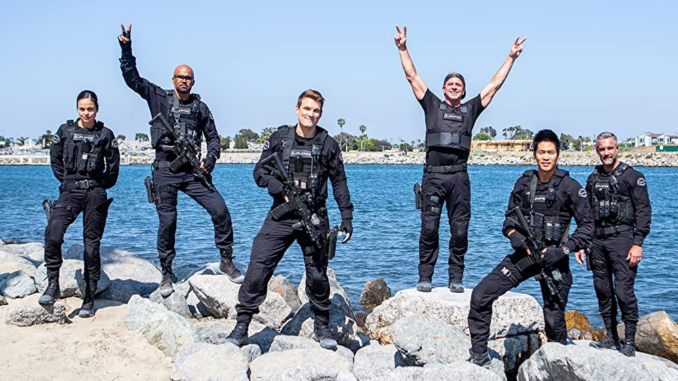
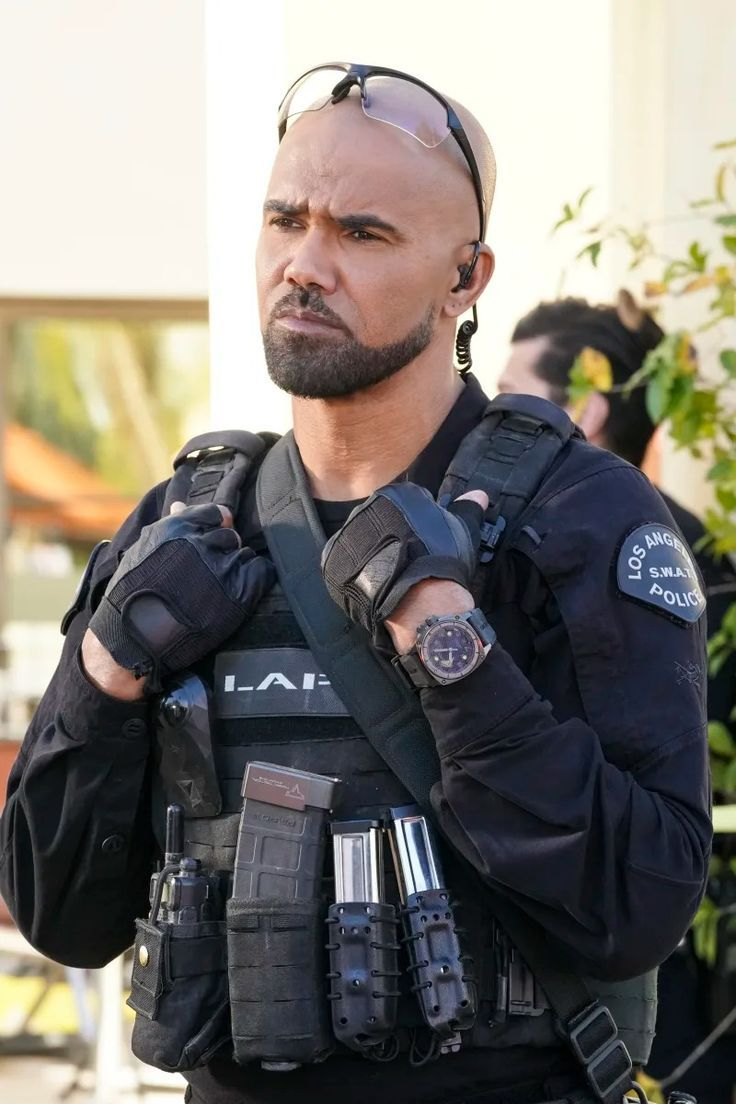
Shows like S.W.A.T., starring Shemar Moore, present elite teams responding to crisis after crisis. The pacing is intense. The stakes are sky-high. The action rarely slows down.
That portrayal sticks.
Film and television amplify the dramatic side of policing because it’s visually compelling. Explosive entries are easier to dramatize than writing citations.
Over time, repetition shapes perception.
If viewers consistently see heavily armed tactical units on screen, they begin to associate that image with policing as a whole.
But reality is quieter — and often more procedural.
Militarization vs. Community Policing
One of the biggest debates surrounding SWAT teams centers on militarization.
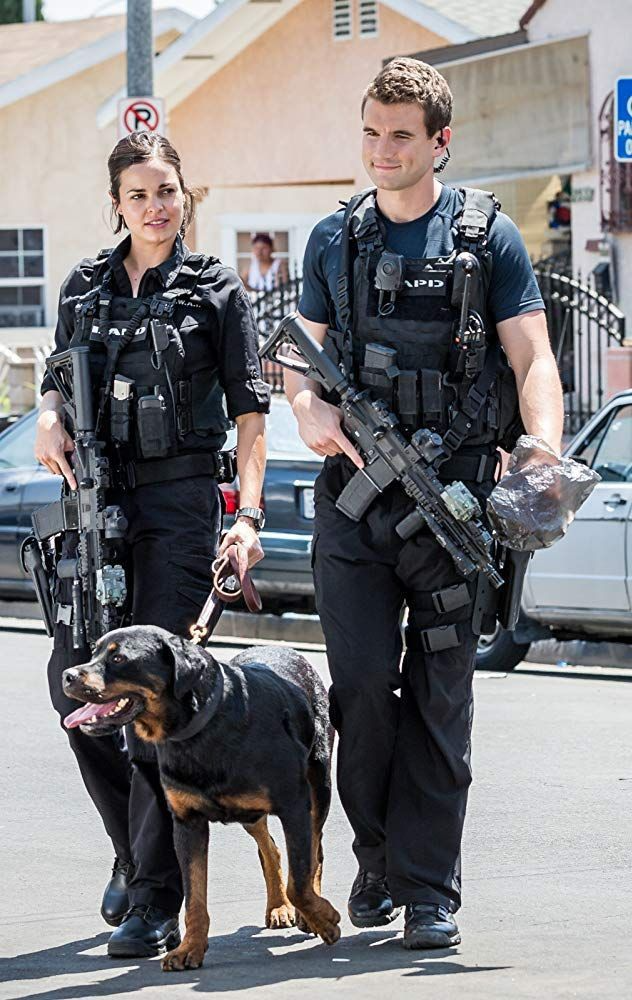
SWAT units often use equipment that resembles military gear: armored vehicles, ballistic shields, tactical rifles. Critics argue that this aesthetic blurs the line between civilian law enforcement and military operations.
Supporters counter that high-risk scenarios demand high-level preparedness. When facing heavily armed suspects, specialized tools aren’t optional — they’re necessary.
So which view reflects the true image of American police?
The answer depends on context.
In daily practice, most policing involves community interaction, investigation, and routine enforcement. SWAT deployments occur far less frequently than routine patrol activities.
Yet when they do occur, they command public attention.
Frequency vs. Visibility
Here’s a key distinction: visibility doesn’t equal prevalence.
SWAT operations are rare compared to everyday police work. However, they are highly visible because they involve sirens, media coverage, and sometimes live broadcasts.
Visibility magnifies perception.
If you see a tactical convoy once, it leaves a stronger impression than seeing patrol officers on neighborhood rounds ten times.
That psychological weighting distorts the overall image.
Public Perception: Fear, Safety, or Both?
Ask different communities about SWAT teams, and you’ll get different answers.
Some view them as reassurance — proof that authorities can respond decisively to extreme threats.
Others view them as intimidating — symbols of excessive force or overreach.
Both reactions coexist in the American consciousness.
SWAT teams can represent preparedness and protection. They can also symbolize escalation and aggression.
Public trust plays a crucial role in which interpretation dominates.
The Expansion of SWAT Deployments
Historically, SWAT teams were reserved for extreme situations. Over time, their use expanded in some jurisdictions to include drug warrants and other high-risk entries.
This expansion fueled debate about proportionality.
Does deploying a tactical unit for certain warrants improve safety? Or does it intensify situations that might otherwise de-escalate?
Research and policy discussions continue to evolve on this issue. Some departments have refined deployment criteria. Others face ongoing scrutiny.
The broader image of American policing becomes entangled in these decisions.
Training and Professional Standards
It’s important to understand that SWAT officers undergo rigorous preparation. Tactical coordination, threat assessment, negotiation integration — these aren’t improvised skills.
Specialization exists for a reason.
In a country with diverse security challenges, specialized units offer capacity beyond standard patrol functions.
But specialization doesn’t define the entire institution.
Just as a trauma surgeon doesn’t represent all medical professionals, a SWAT officer doesn’t represent all police officers.
The Symbolic Weight of Tactical Gear
Uniforms communicate power.
Tactical helmets and armored carriers project authority differently than standard patrol uniforms. Even without action, the appearance itself sends a message.
Symbols matter in public life.
For some, tactical imagery conveys competence. For others, it signals distance from the community.
This symbolic tension influences whether SWAT reflects — or distorts — the broader image of American policing.
Community Engagement vs. Crisis Response
American policing includes multiple models: community policing, problem-oriented policing, intelligence-led policing, and tactical response units.
SWAT teams fall squarely into crisis response.
But crisis response isn’t the day-to-day core of most departments.
Community engagement — attending events, building relationships, mediating disputes — rarely makes headlines. Yet it constitutes a significant portion of policing.
The imbalance between what is common and what is visible shapes public assumptions.
Political and Policy Dimensions
The conversation about SWAT teams also intersects with policy decisions at local and federal levels.
Funding allocations, equipment transfers, and oversight mechanisms all influence how tactical units operate.
Political narratives can either frame SWAT teams as essential defenders or as symbols of systemic excess.
Those narratives contribute to whether SWAT becomes shorthand for American policing.
The Impact of Social Media
In the digital era, isolated incidents spread rapidly.
A single viral video can redefine public perception overnight.
SWAT deployments captured on smartphones often lack full contextual framing, yet they circulate widely.
This immediacy amplifies emotion and compresses nuance.
As a result, tactical imagery can overshadow the broader, more routine aspects of policing.
Statistical Reality vs. Cultural Imagination
If we look at statistical distributions of police activity nationwide, patrol operations, investigations, and service calls vastly outnumber tactical raids.
Yet culturally, SWAT remains one of the most recognizable symbols of American law enforcement.
That gap between statistical reality and cultural imagination is critical.
SWAT influences the image of American police more than it represents their everyday function.
Are SWAT Teams an Outlier or a Microcosm?
Here’s the core question.
Are SWAT teams an extreme outlier within American policing — specialized, limited, and context-specific?
Or are they a microcosm reflecting broader systemic values about force, preparedness, and authority?
The honest answer likely lies somewhere in between.
They reflect one dimension of American policing: readiness for high-risk confrontation.
They do not encapsulate the full spectrum of duties, philosophies, and daily interactions that define law enforcement.
Balancing Preparedness and Perception
In a nation as large and diverse as the United States, security demands vary widely.
Tactical readiness can save lives in volatile scenarios.
At the same time, perception shapes legitimacy.
Departments face the ongoing challenge of balancing operational preparedness with community trust.
How SWAT units integrate into that balance affects whether they are viewed as guardians or aggressors.
So, Do SWAT Teams Truly Reflect the Image of American Police?
They reflect part of it — but not the whole.
They embody the high-risk, high-visibility side of law enforcement.
They do not represent the routine, administrative, investigative, and community-centered dimensions that make up most police activity.
The image of American police is multifaceted.
SWAT teams are one tile in that mosaic — bold and eye-catching, but not the entire picture.
Conclusion: A Symbol Larger Than Its Size
SWAT teams occupy a powerful place in the American imagination.
They are dramatic. Visible. Symbolic.
But they are also specialized and limited in scope.
If we define American policing solely by its most tactical units, we risk oversimplification.
If we ignore those units entirely, we overlook important conversations about force, policy, and preparedness.
The truth sits in complexity.
SWAT teams influence the image of American police — but they do not define it.
FAQs
1. Are most American police officers part of SWAT teams?
No. SWAT officers represent a small percentage of total law enforcement personnel.
2. Why are SWAT teams often associated with militarization?
Because they use tactical equipment and gear that resembles military assets, which shapes public perception.
3. How often are SWAT teams deployed compared to regular patrol officers?
SWAT deployments are far less frequent than routine patrol and service calls.
4. Does media exaggerate the role of SWAT in policing?
Television and film often emphasize tactical units because they provide dramatic storytelling, which can skew perception.
5. Can SWAT teams improve public safety?
In high-risk scenarios, specialized training and equipment can enhance officer and civilian safety when deployed appropriately.