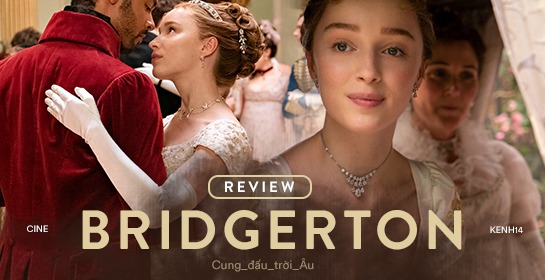
The Bridgertons Have No Decorum When Passion Takes Over
Period dramas used to mean restraint — lingering glances, carefully folded gloves, conversations that said everything without saying anything. Then Bridgerton arrived and flipped the script. Suddenly, desire wasn’t hidden behind etiquette. It collided with it.
The Bridgertons don’t just fall in love. They crash into it. Hard.
And that’s exactly why audiences can’t look away.
A Period Drama That Dares to Feel Modern
Created by Shonda Rhimes for Netflix, the show blends Regency elegance with contemporary emotional honesty. Inspired by the novels of Julia Quinn, it takes the rigid social rules of the 1800s and asks a simple question:
What happens when feelings refuse to behave?
The answer: chaos, tension, longing — and unforgettable romance.
Decorum vs Desire — The Core Conflict
Society Says “Behave”
Balls, chaperones, whispered gossip — everything exists to maintain order. Reputation is currency.
Emotion Says “Forget That”
Love doesn’t follow schedules. Attraction doesn’t wait for approval. The Bridgertons repeatedly choose connection over convention.
That friction creates the show’s heartbeat.
Why Passion Drives the Story
This series understands something fundamental: romance isn’t interesting without risk.
When characters break rules, stakes rise. Suddenly every glance matters. Every conversation feels charged. Passion becomes plot.
Not decoration. Not fan service. Story fuel.
The Family Dynamic That Encourages Big Feelings
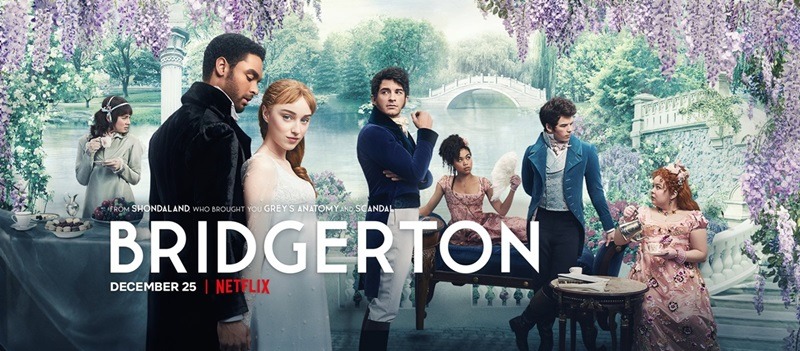
Unlike many aristocratic families in fiction, the Bridgertons are emotionally expressive. They tease, argue, protect, overshare.
That environment makes vulnerability normal.
So when love arrives, they don’t suppress it. They wrestle with it in public, in private, and sometimes disastrously.
Relatable? Very.
Daphne Bridgerton — Innocence Meets Intensity
Enter Daphne Bridgerton
Daphne begins as the picture of propriety. She understands the rules. She intends to follow them.
Then emotion complicates everything.
The Shift
Her story shows how curiosity, trust, and attraction reshape identity. She learns that love isn’t tidy. It’s messy, transformative, and sometimes overwhelming.
That journey hooked viewers worldwide.
Anthony Bridgerton — Duty vs Desire
Meet Anthony Bridgerton
Anthony represents control. Responsibility defines him.
Until it doesn’t.
Chemistry That Disrupts Control
His relationship with Kate Sharma shows how passion challenges carefully built walls. Their tension isn’t about scandal — it’s about fear, vulnerability, and timing.
Sometimes love arrives when you’re least ready.
Slow Burn Done Right
Bridgerton excels at anticipation. Conversations linger. Hands almost touch. Silence speaks volumes.
That restraint makes emotional payoff explosive — not because of explicit moments, but because of emotional investment.
It’s the difference between fireworks and a slow sunrise. Both beautiful. One unforgettable.
Colin and Penelope — The Long Game
Friends, Secrets, and Timing
The evolving dynamic between Colin Bridgerton and Penelope Featherington proves that passion isn’t always loud.
Sometimes it waits.
And waiting can be the most intense experience of all.
Why Breaking Etiquette Feels So Satisfying
Audiences love rule-breaking stories because they mirror real life. We all balance expectations with desire.
Bridgerton exaggerates that tension in silk and candlelight.
The fantasy isn’t just romance. It’s emotional freedom.
Visual Storytelling That Amplifies Emotion
Costumes as Emotional Armor
Corsets, gloves, and formalwear symbolize control.
Lighting as Intimacy
Soft candlelight transforms conversations into confessions.
Music as Emotional Translation
Modern pop covers in orchestral form bridge past and present, reinforcing the show’s central idea: feelings are timeless.
The Psychology Behind the Show’s Appeal
Why does this story resonate so strongly?
Because it explores universal themes:
-
Fear of vulnerability
-
The thrill of being chosen
-
The tension between logic and emotion
-
The courage required to love openly
The Bridgertons don’t just experience romance. They confront themselves.
Representation Changed the Genre
Bridgerton reimagined historical romance by embracing inclusive casting and diverse storytelling. It suggested that emotional truth matters more than strict historical realism.
And audiences responded immediately.
The genre expanded overnight.
Passion as Character Development
In many shows, romance is a side plot. Here, it’s character evolution.
Desire forces decisions. Decisions reveal values. Values shape identity.
In other words: love equals growth.
Why Viewers Keep Coming Back
Because the show understands rhythm:
-
Tension
-
Release
-
Conflict
-
Resolution
-
New tension
It mirrors real relationships — imperfect, unpredictable, deeply human.
You don’t watch just for romance. You watch for emotional recognition.
The Cultural Impact of Bridgerton Romance
Bridgerton didn’t just trend. It influenced:
-
Fashion aesthetics
-
Romance storytelling on streaming platforms
-
Audience expectations for chemistry
-
The acceptance of emotional openness in period drama
It proved historical settings don’t need emotional distance.
The Real Message Beneath the Scandal
Strip away the gowns and gossip, and the theme is simple:
People want to be seen. Fully. Honestly. Without performance.
Decorum protects reputation. Passion reveals truth.
Bridgerton chooses truth — every time.
Conclusion — When Love Refuses to Behave
The Bridgertons lose composure not because they’re reckless, but because they’re human. The show celebrates the moment when feelings become impossible to ignore — when rules blur and vulnerability wins.
That’s the magic.
It reminds us that love isn’t neat. It isn’t polite. It doesn’t wait for perfect timing.
It arrives, disrupts, transforms — and leaves nothing unchanged.
And honestly? That’s why we keep watching.