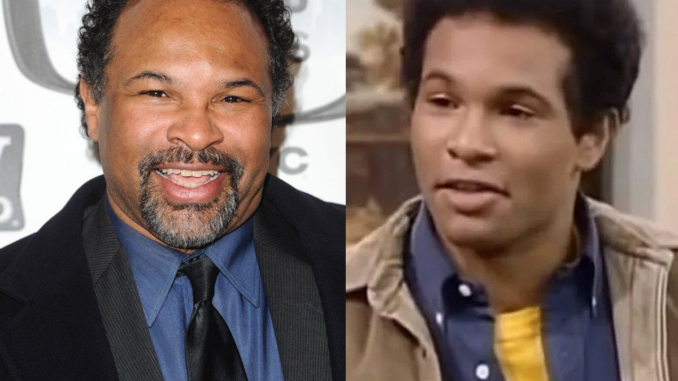
Geoffrey Owens: From Job-Shamed at Trader Joe’s to a Powerful Return in The Pitt
Introduction: A Story That Sparked a National Conversation
When Geoffrey Owens—best known for his role on The Cosby Show—was photographed working at Trader Joe’s, the internet reacted instantly. What should have been seen as an honest day’s work became a viral moment of job shaming.
Years later, Owens is stepping back into the spotlight with a guest role on The Pitt, transforming a moment of public criticism into a story of resilience, dignity, and quiet triumph.
The Viral Moment: When Work Became a Headline
In 2018, photos of Geoffrey Owens bagging groceries spread rapidly online. The reaction revealed an uncomfortable truth about modern culture:
- Society often ties worth to fame and income
- Actors are expected to maintain an illusion of constant success
- Honest work is unfairly judged when it doesn’t match public expectations
Owens was not doing anything unusual—he was working. Yet the narrative quickly turned into one of “fall from grace,” exposing how distorted public perception can be.
Breaking the Stigma: Owens’ Response to Job Shaming
Instead of retreating, Geoffrey Owens addressed the situation with clarity and humility.
He emphasized:
- There is no shame in hard work
- The acting profession is financially unstable
- Many performers take other jobs between roles
His response shifted the conversation. What began as mockery became a broader discussion about dignity, labor, and respect.
Hollywood’s Reality: The Myth of Constant Success
Owens’ experience pulled back the curtain on the entertainment industry.
The truth is:
- Acting jobs are often temporary
- Even recognizable actors face financial gaps
- Fame does not guarantee long-term security
By simply being honest about his situation, Owens challenged the unrealistic expectations placed on public figures.
The Turning Point: Support from the Industry
Following the backlash, many voices in Hollywood came to Owens’ defense.
Actors, producers, and fans rallied around him, leading to:
- New acting opportunities
- Public recognition of his professionalism
- A shift in narrative from shame to respect
This support highlighted an important shift—people were ready to reject the culture of ridicule and embrace empathy instead.
A New Chapter: Guest-Starring in The Pitt
Now, Geoffrey Owens’ appearance in The Pitt marks more than just another role—it symbolizes a full-circle moment.
It represents:
- Redemption in the public eye
- Recognition of his talent beyond viral headlines
- Proof that resilience can outlast controversy
Rather than being defined by one moment, Owens continues to build his career on his own terms.

The Bigger Issue: Why Job Shaming Still Exists
Owens’ story resonates because job shaming is not limited to celebrities.
Many people experience:
- Judgment for working “less prestigious” jobs
- Pressure to match societal definitions of success
- Fear of being seen as unsuccessful
This mindset reflects a deeper cultural issue—valuing status over integrity.
What Geoffrey Owens Teaches Us About Dignity
Owens’ journey offers a powerful lesson:
- Work is work—its value does not depend on perception
- Resilience matters more than reputation
- Authenticity can reshape public narratives
He didn’t stage a dramatic comeback—he simply stayed consistent, grounded, and true to himself.
Why This Comeback Matters
Geoffrey Owens’ return to television is not just a personal victory—it’s a cultural moment.
It challenges:
- The idea that success must look a certain way
- The stigma around everyday jobs
- The tendency to judge without understanding
His story reminds us that careers are not linear, and dignity should never be negotiable.
Conclusion: Redefining Success in the Public Eye
Geoffrey Owens was once reduced to a viral headline—but today, he stands as a symbol of resilience and integrity.
His journey from Trader Joe’s to The Pitt is not about redemption in the traditional sense—it’s about redefining what success truly means.
In a world obsessed with image, Owens offers a refreshing perspective:
There is no shame in honest work—and no limit to a comeback built on self-respect.