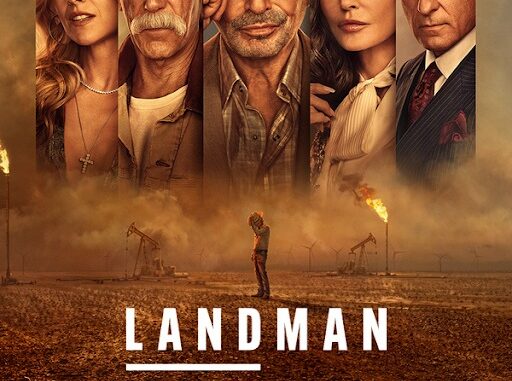
The Sheridan Effect — Why Taylor Sheridan’s Shows Keep Winning
If you’ve turned on your TV anytime in the last few years, chances are you’ve stumbled into the gritty, character-driven world of Taylor Sheridan. From dusty ranchlands to high-stakes oil fields, his stories feel raw, cinematic, and strangely addictive.
And now, with Landman, audiences are getting another front-row seat to that storytelling magic — this time led by Billy Bob Thornton.
Thornton doesn’t just star in the series. He understands why Sheridan’s work connects so deeply. And his explanation reveals a blueprint that goes far beyond one show.
Let’s unpack why Sheridan’s TV empire works — and why viewers can’t look away.
A New Frontier — What Landman Brings to the Sheridan Universe
Sheridan has built an unofficial cinematic universe rooted in American industries and landscapes. Ranching. Crime. Politics. Oil.
Landman dives into the oil boom economy — a world of power, risk, and fragile fortunes. Thornton plays a fixer navigating corporate deals, field workers, and personal chaos.
The premise feels big. But the storytelling stays intimate. That balance is Sheridan’s signature.
Billy Bob Thornton’s Perspective — Authenticity Above All
Thornton has worked across genres for decades. He knows when writing feels fake.
His biggest takeaway from Sheridan?
Everything feels lived-in.
Characters don’t speak like TV characters. They talk like people who’ve been tired, broke, stubborn, or burned before. That authenticity creates trust with the audience.
Viewers sense when a show respects their intelligence — and Sheridan’s scripts do.
Characters First, Plot Second
Many modern shows chase twists.
Sheridan builds people.
In Landman, conflict grows naturally because characters carry history. Their decisions feel inevitable rather than shocking for shock’s sake.
That’s why viewers stay invested even during quiet scenes.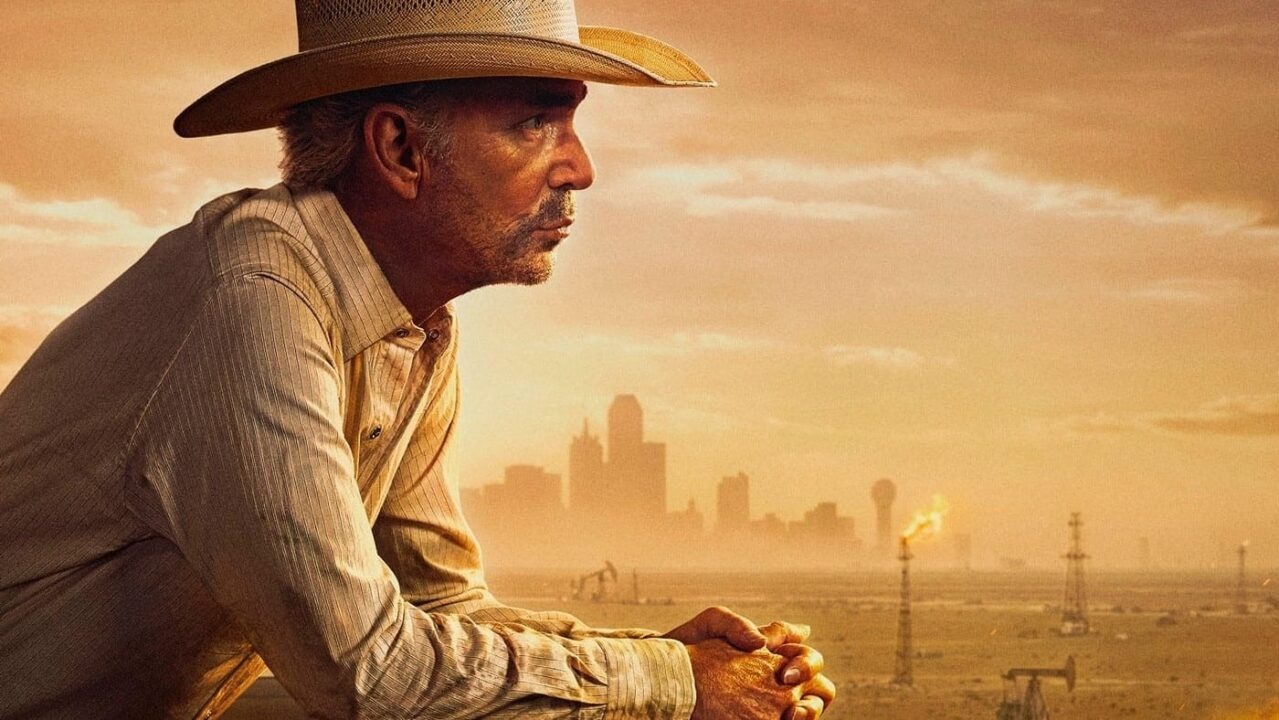
Taylor Sheridan Writes From Experience
At the center of this storytelling approach is Taylor Sheridan himself.
Before becoming a powerhouse creator, Sheridan acted, wrote indie films, and spent years observing the American West. His scripts reflect that research.
He doesn’t romanticize industries — he exposes their contradictions.
Opportunity and exploitation.
Family and ambition.
Loyalty and survival.
Those tensions drive every series he touches.
Real Worlds Create Real Stakes
Sheridan rarely invents fantasy settings.
Instead, he chooses:
-
Oil towns
-
Ranch communities
-
Border regions
-
Law enforcement systems
Because these worlds already carry tension, the drama never feels forced.
The Power of Moral Gray Areas
One reason Sheridan’s shows work so well? Nobody is purely good or evil.
Thornton’s character in Landman makes questionable choices. But you understand why. That emotional complexity keeps viewers debating long after episodes end.
People don’t just watch Sheridan shows.
They argue about them.
That’s engagement gold.
Antiheroes With Heart
Sheridan’s protagonists often share traits:
-
Competent
-
Wounded
-
Loyal to a small circle
-
Suspicious of institutions
They’re not heroes in the traditional sense. They’re survivors.
And survival stories resonate everywhere.
Cinematic Television — Why It Feels Like Movies
Thornton has pointed out that Sheridan shoots television like film.
Wide landscapes. Slow pacing. Silence used as dialogue.
Scenes breathe.
Instead of rushing to the next plot point, the camera lingers — letting tension build naturally.
That style makes episodes feel bigger than TV.
Visual Storytelling as Emotional Language
A dusty road. A drilling rig at sunrise. A quiet kitchen argument.
Sheridan uses visuals to communicate mood before characters speak. It’s subtle, but powerful.
Viewers feel the story rather than just follow it.
Dialogue That Sounds Real — Not Written
Here’s something Thornton emphasizes: Sheridan trusts pauses.
Characters interrupt each other. They talk around problems. They say less than they mean.
That mirrors real life — where conversations are messy and emotional truth hides between lines.
Subtext Drives Engagement
When viewers read between the lines, they become active participants.
That involvement creates deeper attachment to the story.
You’re not just watching.
You’re interpreting.
High Stakes Without Superheroes
Sheridan proves you don’t need explosions to create tension.
In Landman, stakes include:
-
Financial collapse
-
Workplace danger
-
Family fractures
-
Corporate power struggles
These are everyday risks — which makes them scarier.
Because they feel possible.
Industry Drama as Human Drama
The oil business isn’t just economics in Landman. It’s identity. Pride. Legacy.
Sheridan translates systems into personal consequences. And that’s why viewers care.
Ensemble Casts That Feel Like Communities
Thornton isn’t carrying the show alone — and that’s intentional.
Sheridan builds ecosystems. Side characters have their own arcs. Even minor roles feel textured.
The result? Worlds that seem alive off-screen.
Relationships Over Spectacle
Friendships. Rivalries. Marriages. Mentorships.
Sheridan’s real plot engine is relationships under pressure. That’s timeless storytelling.
Slow Burns Beat Quick Hits
Streaming culture often rewards fast pacing.
Sheridan does the opposite.
He lets stories simmer.
Thornton has noted that this patience builds emotional payoff. When big moments arrive, they land harder because viewers have invested time.
It’s storytelling as a slow wildfire — quiet until it isn’t.
Trusting the Audience
Sheridan assumes viewers can handle ambiguity, silence, and complexity.
That respect creates loyalty.
People return because they feel the show isn’t talking down to them.
Why Landman Fits Perfectly Into Sheridan’s Formula
Landman isn’t a departure. It’s an evolution.
It keeps Sheridan’s core elements:
-
Industry realism
-
Character-driven storytelling
-
Moral ambiguity
-
Cinematic visuals
But it explores a different economic engine — oil — expanding his thematic universe.
Thornton’s grounded performance anchors that expansion.
A Story About Power in Modern America
Oil represents influence, wealth, and risk. That makes it fertile ground for Sheridan’s favorite themes:
Control. Legacy. Survival.
Landman becomes less about drilling and more about who pays the price for prosperity.
The Sheridan Brand — A Rare Consistency
Most TV creators struggle to maintain quality across multiple series.
Sheridan has turned consistency into a brand.
Audiences know what they’re getting:
-
Emotional realism
-
Strong performances
-
Place-based storytelling
-
Big themes told through small moments
Thornton recognizes that clarity as a major reason the shows work.
Familiar Yet Fresh
Each project explores new industries and characters while keeping the same storytelling DNA.
That balance prevents fatigue.
It feels connected without being repetitive.
Why Viewers Keep Coming Back
So what’s the real secret?
Sheridan tells stories about people trying to hold onto something — land, money, family, identity.
That struggle is universal.
Thornton’s insight is simple: when stakes feel human, audiences stay.
Not for twists.
For truth.
Emotional Honesty Wins Long-Term
Trends change. Algorithms shift. Genres cycle.
But emotional honesty lasts.
Sheridan builds shows around that principle — and actors like Thornton amplify it.
What Landman Signals About the Future of Prestige TV
Landman suggests prestige TV is moving back toward grounded realism.
Audiences are craving:
-
Authentic settings
-
Mature characters
-
Long-form storytelling
-
Industry-based drama
Sheridan sits at the center of that shift.
And Thornton’s involvement signals confidence that the formula still works.
Conclusion: Billy Bob Thornton Explains the Magic — And It’s Simpler Than You Think
Billy Bob Thornton doesn’t describe Taylor Sheridan as flashy. He describes him as honest.
That honesty — in characters, settings, dialogue, and pacing — is the engine behind Sheridan’s success.
Landman continues that tradition, proving that compelling television doesn’t need gimmicks. It needs perspective.
When stories feel real, viewers lean in.
And as long as Sheridan keeps telling human stories inside massive systems, audiences will keep watching.
Because beneath the oil rigs, ranch fences, and corporate deals, the question stays the same:
What are people willing to sacrifice to survive?