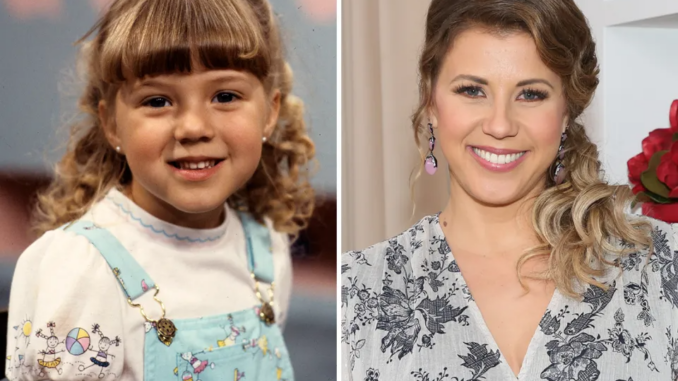
When Fuller House premiered, fans weren’t just tuning in for the story—they came back for the people. The cast carried decades of nostalgia, and surprisingly, many of them felt even more natural than before.
Candace Cameron Bure (DJ Tanner-Fuller)
Candace stepped into the lead role with ease. DJ evolved from a teenage big sister into a widowed mother of three, and Candace carried that emotional weight convincingly. After the show, she continued acting and producing family-oriented content.
Jodie Sweetin (Stephanie Tanner)
Stephanie’s glow-up became one of the show’s biggest wins. Jodie Sweetin brought humor, vulnerability, and growth to the character. Her performance felt authentic and deeply personal, resonating strongly with fans.
Andrea Barber (Kimmy Gibbler)
Kimmy could have felt outdated—but instead, she became a breakout star. Andrea Barber’s fearless comedy and sharp timing made Kimmy more lovable than ever.
The Legacy Cast
John Stamos, Dave Coulier, Bob Saget (honored posthumously), and Lori Loughlin brought continuity and emotional depth. Their appearances grounded the series and honored the original Full House.
Who Stole the Show?
Many fans agree: Stephanie and Kimmy emerged as unexpected standouts, proving that nostalgia works best when paired with growth.
Fuller House Ending Explained: Why the Finale Divided Fans
The Fuller House finale sparked debate the moment it aired. Some viewers cried happy tears. Others felt it was rushed.
The Triple Wedding Twist
Three weddings in one episode felt excessive to some, but perfectly on-brand to others. The show leaned into classic sitcom joy instead of realism.
Why the Ending Felt Too Neat
Every storyline wrapped up cleanly—romance, family, future plans. Critics argued it lacked emotional risk.
Why Fans Still Loved It
For loyal viewers, closure mattered more than surprises. The finale felt like a warm hug goodbye.
Staying True to Its Identity
Fuller House never pretended to be edgy or groundbreaking. The ending reflected exactly what the show always was: comfort TV.
Why Fuller House Worked as a Reboot While Others Failed
Reboots usually fail because they forget why people cared in the first place. Fuller House didn’t.
Respecting the Original
The show honored Full House without copying it. Same house. Same heart. New problems.
Flipping the Formula
Instead of parents raising kids, it showed adults leaning on each other. That twist kept it fresh.
Self-Aware Humor
The show openly joked about its cheesiness. That honesty made it charming instead of outdated.
Nostalgia With Purpose
Fuller House wasn’t just a memory—it became a continuation.
Fuller House Controversies: The Drama Fans Didn’t See On Screen
Behind the wholesome smiles, Fuller House faced its share of controversy.
Lori Loughlin Scandal
The college admissions scandal led to her temporary removal, forcing the show to adjust storylines mid-season.
Critics vs Fans
Critics often dismissed the show as corny, while fans defended it as intentionally lighthearted.
“Too Cheesy” Debate
Some viewers wanted more realism. Others loved the simplicity. This divide never fully faded.
How the Show Handled It
Rather than reinventing itself, Fuller House stayed true to its identity—and its audience.
Conclusion
Fuller House succeeded because it knew exactly what it was. It wasn’t trying to chase trends or shock viewers. It focused on family, friendship, and familiarity—and for millions of fans, that was enough.
FAQs
1. Why did Fuller House become so popular?
Because it balanced nostalgia with new storytelling.
2. Who was the most popular character?
Stephanie and Kimmy gained massive fan support.
3. Was the ending rushed?
Some fans think so, but others felt it was satisfying.
4. Did controversies hurt the show?
They created challenges, but didn’t destroy fan loyalty.
5. Could Fuller House return again?
Nothing is confirmed, but fan interest remains strong.