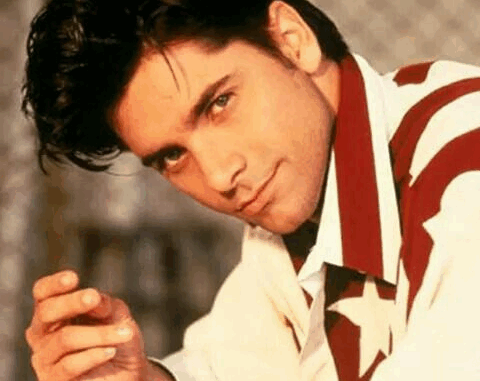
The Curious Case of Uncle Jesse’s Disappearing Act
If you grew up watching Full House, chances are Uncle Jesse was one of your favorite characters. With his cool hair, rock ‘n’ roll attitude, and irresistible charm, John Stamos turned Jesse Katsopolis into a TV legend.
So when Netflix announced Fuller House, fans expected the leather-jacketed heartthrob to play a major role once again. But as the sequel unfolded, it became obvious—Uncle Jesse wasn’t the star anymore.
Instead, he appeared only in guest spots, popping in for quick visits before vanishing again. So what happened? Why did one of Full House’s most beloved characters fade into the background?
Let’s dive into the real reasons John Stamos’ Uncle Jesse wasn’t a main character in Fuller House—from creative decisions to career choices and everything in between.
A Shift in Focus: From Danny’s House to D.J.’s Home
The first and most obvious reason Uncle Jesse wasn’t a lead in Fuller House comes down to the show’s new direction.
While Full House centered around Danny Tanner and his three young daughters, Fuller House flipped the script. The spotlight now belonged to D.J. Tanner-Fuller, her sister Stephanie, and their childhood friend Kimmy Gibbler.
In other words, this was their show—the next generation’s story. The adults from the original series, like Jesse, Joey, and Danny, were never meant to be main players. They were there to pass the torch.
John Stamos’ Busy Schedule Behind the Scenes
Another key reason for Stamos’ reduced presence? His jam-packed schedule.
When Fuller House began production, John Stamos was already juggling multiple projects. He starred in Grandfathered on Fox, produced several shows, and continued touring with The Beach Boys.
Stamos also served as an executive producer on Fuller House, meaning he was deeply involved behind the camera—even when he wasn’t on screen.
So, while fans didn’t see him in every episode, Stamos’ fingerprints were all over the series’ creative direction.
Creative Intent: A Show About the Next Generation
Netflix’s Fuller House wasn’t just a reboot—it was a reimagining of the Tanner legacy.
The producers wanted to tell a story about three strong women raising kids together, mirroring the setup of the original but with a modern twist.
To achieve that, they needed to step away from the original uncles and fathers, letting D.J., Stephanie, and Kimmy shine. Uncle Jesse’s limited role wasn’t an oversight—it was intentional.
By keeping him in a mentor-like capacity, the show honored his legacy while allowing the new characters to carry the story.
John Stamos’ Relationship with Fuller House’s Direction
Stamos was one of the strongest advocates for the Full House revival, but he also understood the need to evolve.
In interviews, he said he wanted Fuller House to “stand on its own two feet”—not just recycle old jokes and moments.
He supported giving Candace Cameron Bure, Jodie Sweetin, and Andrea Barber room to grow into lead roles.
That said, he also admitted he enjoyed coming back “just enough” to keep fans happy without overshadowing the new cast.
The Evolution of Uncle Jesse’s Character
Let’s be honest—Uncle Jesse had already completed his character arc by the end of Full House.
He went from a carefree bachelor to a loving husband, father, and responsible adult. By the time Fuller House rolled around, there wasn’t much left to develop.
In the sequel, we see him as a family man with Becky and their son, navigating life from a distance. His journey had reached a satisfying conclusion—making it unnecessary to rehash old storylines.
Balancing Nostalgia with Progress
Fuller House walked a fine line between nostalgia and innovation.
The show had to please die-hard fans while appealing to a younger audience who never grew up with the original.
Too much focus on Uncle Jesse and the older characters might have made it feel like a dated rehash instead of a fresh continuation.
So instead, the writers sprinkled in nostalgia through guest appearances, callbacks, and inside jokes—enough to keep the magic alive without stalling the story.
Behind-the-Scenes Decisions and Contract Details
Hollywood is a business, and scheduling and contracts play a huge role in casting decisions.
Since Stamos was credited as a guest star rather than a full-time cast member, his appearances were limited by design.
Netflix likely structured the contracts this way to control production costs and allow flexibility for Stamos’ other commitments.
Plus, given his executive producer title, he may have preferred more creative control over more screen time.
A Different Tone and Audience
While Full House was aimed at families in the late ’80s and ’90s, Fuller House catered primarily to millennials and their kids.
The humor was updated, the pacing was faster, and the focus shifted toward female friendships and motherhood.
In that landscape, Uncle Jesse’s role as the cool, motorcycle-riding uncle didn’t quite fit. His character, though iconic, belonged to a different era.

John Stamos’ Real-Life Growth and New Priorities
As Fuller House began, John Stamos himself was entering a new stage of life.
He became a father in 2018 and often spoke about how his personal growth mirrored his character’s journey on Full House.
He no longer needed to play the rock-star uncle full-time—he was living that balance in real life.
For him, returning in moderation felt right. He got to revisit Uncle Jesse without clinging to the past.
Fans’ Reaction: A Mix of Disappointment and Understanding
Not surprisingly, fans had mixed feelings about Uncle Jesse’s reduced role.
Some viewers were disappointed, missing his signature charisma and humor. Others understood that the show needed to move forward.
Social media was flooded with fans calling for “More Jesse!” during the early seasons, but by the end, most accepted that Fuller House was D.J.’s story—not Jesse’s.
Uncle Jesse’s Best Moments in Fuller House
Even though he wasn’t a lead, Uncle Jesse still had plenty of standout scenes:
-
Season 1: His heartfelt moment helping D.J. navigate single motherhood.
-
Season 2: The hilarious scene where he and Joey get roped into babysitting duty.
-
Season 3: His emotional tribute to Danny and the Tanner family legacy.
-
Season 5: The finale appearance, reminding everyone that family always comes first.
Each cameo was meaningful—a nod to his past and a gentle goodbye to fans who’d grown up with him.
Would Fuller House Have Worked Better with More Uncle Jesse?
That’s the big question, isn’t it?
While more Uncle Jesse might have added nostalgia, it could also have unbalanced the show.
Part of Fuller House’s charm lies in watching the next generation step up—just as Jesse, Joey, and Danny once did for D.J., Stephanie, and Michelle.
Adding too much of the old guard could’ve made it feel stagnant.
John Stamos’ Thoughts on the End of Fuller House
When Fuller House wrapped in 2020, Stamos shared his thoughts on social media, calling it “bittersweet but beautiful.”
He thanked fans for keeping the Tanner family alive and hinted that while Full House might be over, its spirit lives forever.
That statement perfectly captures his attitude—grateful, nostalgic, but ready to move forward.
Legacy Over Screen Time: Uncle Jesse’s Enduring Impact
Even if he wasn’t front and center, Uncle Jesse’s influence runs deep.
He remains one of TV’s most iconic characters—a symbol of charm, loyalty, and family.
And maybe that’s exactly how it should be. Sometimes, stepping back doesn’t diminish your legacy—it strengthens it.
Conclusion: Why Uncle Jesse Didn’t Need to Be the Star
In the end, John Stamos didn’t need to be a main character in Fuller House to make an impact.
His reduced role was a deliberate choice—rooted in storytelling, practicality, and respect for the next generation.
Uncle Jesse had already earned his happy ending. His presence in Fuller House wasn’t about reclaiming the spotlight—it was about passing it on with grace.
And really, isn’t that the most Uncle Jesse thing he could’ve done?
FAQs
1. Why wasn’t John Stamos in every episode of Fuller House?
Because he was a guest star and executive producer, balancing multiple projects while letting the new cast take the lead.
2. Did John Stamos want a bigger role in Fuller House?
No, Stamos supported the creative decision to focus on D.J., Stephanie, and Kimmy while staying involved behind the scenes.
3. Was Uncle Jesse’s absence due to conflicts or disagreements?
Not at all. His limited role was intentional, and Stamos remained close with the cast and producers throughout the show.
4. Did Fuller House explain where Uncle Jesse was?
Yes, the show established that he lived nearby with Becky and their child, making occasional visits to the Tanner house.
5. Could Uncle Jesse return in a future reboot or reunion?
It’s possible—Stamos has said he’d love to reunite the cast again someday, especially to honor Bob Saget’s memory.